
The English version follows below after the Hebrew
שתלטנות קיצונית בתוך זוגיות היא מצב חולה. בנישואין שכאלו האיש כולא את האשה ושולל ממנה חירויות שיש לאדם מבוגר ואוטונומי. מה קורה כאשר את שומעת סיפור שאינו מתאים לחוק הקיים ובכל זאת ברור לך שנעשה בו עוול?
הפעם הראשונה בה פגשתי את ריקי היתה בשיעורי הזומבה שהעברתי במושב שלה. ריקי תמיד הגיעה בזמן לשיעור, תפסה את מקומה הקבוע וחיכתה שנתחיל. בשיעורים שלי היא תמיד עקבה אחרי התנועות, למדה את הריקודים החדשים ונהנתה מהאדרנלין שזרם לה בגוף.
בסוף כל שיעור היתה ריקי ניגשת אלי ואומרת "תודה לך על שעה של חופש בשבוע".
אני עורכת דין בהכשרתי. ידעתי שאהיה עורכת דין מגיל קטן מאוד כיוון שתיקון עוול וסיוע לאחרים היו משאת נפשי מאז שאני זוכרת את עצמי. במהלך לימודי המשפטים נחשפתי לראשונה לעולם הפמיניסטי ולתחום של זכויות נשים, והחלטתי שזה יהיה התחום שבו אתמחה כעורכת דין.
כעורכות דין, אנחנו מכירות את לשון החוק על בוריה. סיפורים עובדתיים מפי הלקוחות שלנו מתורגמים לסיפורים "משפטיים", המדגישים את העוול שנעשה בניגוד לחוק. החוק מיושם על סיפור משפטי וכך אנחנו מסייעות לפונים אלינו לעבור את המסע לעשיית צדק. אך מה קורה כאשר את שומעת סיפור שאינו מתאים לחוק הקיים ובכל זאת ברור לך שנעשה בו עוול?
ריקי הפסיקה במפתיע להגיע לשיעורי הזומבה שלי. חודשיים מאוחר יותר התקשרה אלי וביקשה את עזרתי כעורכת דין. "אני רוצה לשבור את הקירות" היא אמרה לי. כשנפגשנו היא סיפרה סיפור של שתלטנות והתעללות מצד בעלה לאורך כל שנות נישואיה.
"את רואה את הרכב שחונה פה מחוץ לבית?" שאלה במפגשנו הראשון. "איני מורשית לנהוג בו, על אף שאני בעלת רישיון נהיגה. בעלי מסיע אותי לכל מקום, גם אם זה לסופרמרקט". "והמטבח הזה שלנו?" המשיכה. "אני מבלה פה שעות רבות. הוא אוהב ארוחות חמות שלוש פעמים ביום, אז אני מעמידה סירים. הוא אוהב שהכל טרי ולכן אני מוצאת את עצמי זורקת סירים שלמים אחרי כל ארוחה כי הוא מכריח אותי". "כשהוא מסיע אותי לסופרמרקט, הוא מחכה בקופה. כשאני מגיעה עם עגלה עמוסה, הוא עובר פריט פריט, מתחקר על כל פריט שבחרתי, מעיף פריטים רבים, ואז מעביר כרטיס בקופה. איני יודעת אפילו באיזה בנק מתנהל החשבון או כמה כסף יש בו".
ריקי תיארה לי באריכות, במפגש שנערך שעות רבות, כיצד בעלה מקלל, משפיל ומקטין אותה. הוא מאשים אותה בכל מה שמתקלל או מתרחש בבית, הוא מבזה אותה, סוגר אותה בביתה והיא אינה רשאית לצאת ללא רשותו. הוא מגביל אותה במה שתוכל לעשות ולמשך כמה זמן, ואף דורש ממנה דרישות מיניות גם כשאינה רוצה בכך. אין היא רשאית לנהוג או להחליט לאן או מתי תיסע. אפילו את אמה שמתגוררת רחוק אינה רשאית לבקר. הוא מבודד אותה ממשפחתה ומחבריה, עובר על מכשיר הטלפון שלה ומוחק מספרים של נשים שאינו מחבב, הוא דורש שתדווח על מעשיה כל יום, גם על זמני המקלחת שלה. היא אינה רשאית ללמוד או לעבוד או לעסוק בהתפתחות עצמית מסוג כלשהו. "אני כמו אחד הילדים עבורו" סיפרה לי. אך כששאלתי האם הוא מכה אותה או אם תרצה את עזרתי להתגרש, ענתה בשלילה. "הלוואי שהיה מרביץ לי" סיכמה. "כי אז היה שם למה שאני חווה והייתי יכולה לפנות למקלט לנשים מוכות".
לראשונה בחיי, לא הצלחתי לתרגם את חוסר הצדק המובהק הזה ל"סיפור משפטי". החלטתי לצאת למסע של מיפוי התופעה אותה ריקי תיארה בפניי במטרה לנסח בסופו של המחקר על שתלטנות קיצונית הצעת חוק שתתאים לסיפורה של ריקי, וכפי שהסתבר לי ככל שהתרחב המחקר, לסיפורן של נשים רבות אחרות.
מה זאת שתלטנות קיצונית
במהלך מסע של חמש שנים פגשתי נשים נוספות עם סיפורים דומים אך שונים.
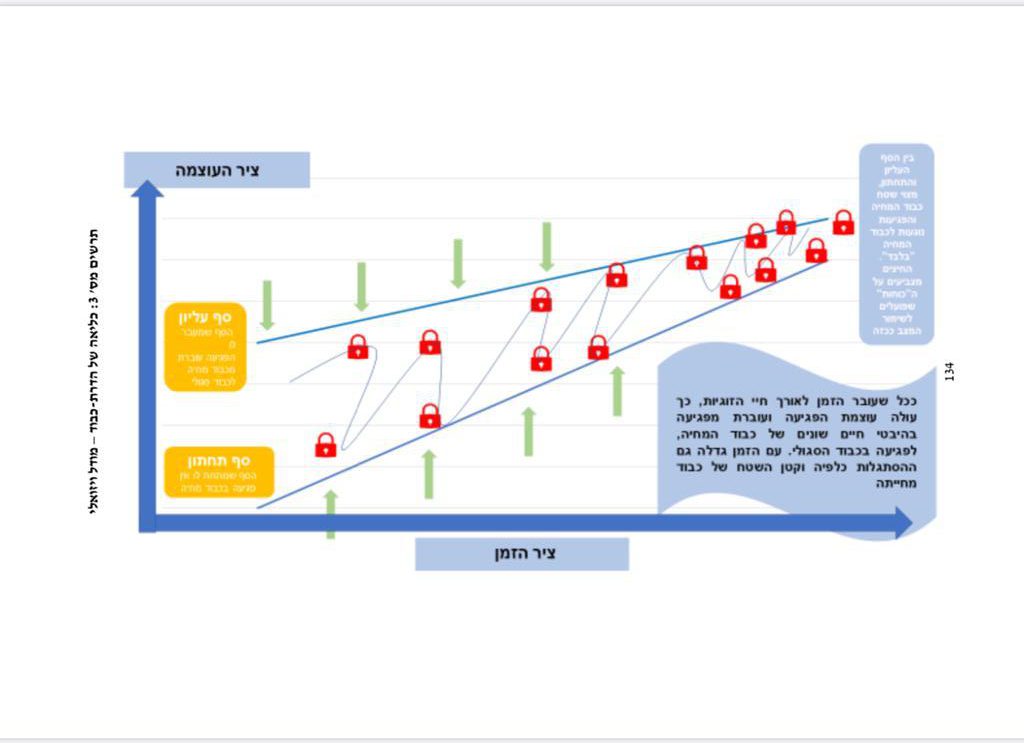
כולן ישראליות, יהודיות, נשואות כדת משה וישראל. חלקן אימהות לילדים אך לא כולן. הן מתגוררות בעיר או בכפר, משכילות או לא משכילות, עובדות או עקרות בית, מזרחיות ואשכנזיות. נשים אלה, המתמודדת עם בן זוג המפעיל עליהן פרקטיקות של שתלטנות קיצונית שאינה כוללת היבט של אלימות פיזית, סיפרו על קללות, ביזוי והשפלה, האשמות, התעמרות יומיומית, כבילה לתפקידים מגדריים, איסורים והגבלות, דרישות מיניות והכפפה לסדר יום של ציות וריצוי. חלקן לא הורשו לנהוג ברכב, מודרו ממידע על אודות מצבן הכלכלי, וחויבו במתן דיווח על פעולות יומיומיות. הן לא הורשו לעבוד מחוץ לביתן, וזאת ללא אלימות פיזית. אחרי עשרות מפגשים כאלה הסקתי שמאפיינים בעייתיים אלה שלובים זה בזה ומגבירים זה את זה.
במחקר הענקתי שם לתופעה שנשים אלה תיארו לי וקראתי לה שתלטנות קיצונית, והגדרתי אותה באמצעות שישה תחומי חיים בהם היא באה לידי ביטוי:
- שתלטנות מילולית (קללות, גידופים, השפלה, ביזוי)
- שתלטנות כלכלית (שליטה בחשבון הבנק, מניעת מידע על מצבה הכספי של המשפחה)
- שתלטנות מינית (קביעת זמני קיום יחסי מין, כפיית יחסים ללא רצונה)
- שתלטנות פטריארכלית (התייחסות לאישה כאל קטינה, אי צירופה לקבלת החלטות משפחתיות)
- שתלטנות חברתית (בידוד האישה ממשפחתה ומחבריה, ביצוע מעקב באמצעות מצלמות ומכשירי ציתות)
- הגבלת התפתחות עצמית (מניעת השכלה ותעסוקה מחוץ לבית)
חשוב לציין שכבר היום ישנה הצעת חוק למניעת אלימות כלכלית שנותנת מענה לחלק הכלכלי בשתלטנות הקיצונית, אבל לא כולה. לכן את ששת תחומי החיים ניסחתי להצעת חוק: החוק למניעת שתלטנות קיצונית במשפחה.
לאחר שהמחקר הוגש ואושר, מצאתי את עצמי מספרת על הממצאים בכנסים אקדמיים, אקטיביסטיים ואף במפגשים חבריים. בכל אחד מהמפגשים הללו התקבלו הממצאים בהתלהבות ובהזדהות, ויתרה מכך – נשים רבות היו ניגשות אלי בתום השיחה או ההרצאה ומספרות לי שגם הן כאלה, או כי הן מכירות שכנה/דודה/חברה שחווה התנהגויות דומות בחיי הנישואין שלה. אם כן, מדובר בתופעה רחבה שבגלל חמקמקותה והאופי התהליכי שלה, לא קיבלה עד כה מקום מוגדר בשיח המשפטי ובשיח הכללי. אם את חושדת שגם את סובלת משתלטנות קיצונית, את יכולה לבחון זאת לפי סימני האזהרה שבתחתית הכתבה הזאת.
אני לא אשכח את אחת הנשים שפגשתי שתיארה לי את הצלקות שלה והסבירה ש"את הצלקות שלי, לא ניתן להסתיר במייק אפ". הן מסתובבות בינינו, והן פרופסוריות למגדר, מוכרות במכולת, שכנות שלנו בישוב הקהילתי, ואפילו אחיות שלנו.

אישה מבודדת בסכנה מתגברת
המשבר הכלכלי-חברתי עולמי שפקד אותנו בעקבות קורונה פוגע בנשים באופן ניכר יחסית לקבוצות אחרות באוכלוסייה. נשים נושאות על גבן את עול משק הבית, גידול ילדים, למידה מרחוק, ולעיתים גם עבודה מהבית במקביל לכל אלה. זאת על רקע העובדה שלא עבור כולן הבית הוא מקום בטוח, או מאפשר רווחה. במצב הנוכחי הפתולוגיות המשפחתיות בהסלמה ובעלייה. בשעה שהאישה נמצאת על פי ההנחיות בעיקר בתוך הבית, וכאשר האדם היחיד לצידה הוא בן הזוג, ללא יכולת להישען על חברות או בני משפחה אחרים – היא מבודדת פיזית ונפשית, והסכנות אליהן היא חשופה מתגברות.
בתרבות שבה אלימות פיזית נגד נשים ואף רצח נשים הן תופעות ברורות הנמצאות על סדר היום הציבורי, שתלטנות קיצונית, אשר כה שכיחה באוכלוסייה, היא תופעה שקופה ומושתקת שנעדרת מהשיח המשפטי. זאת על אף שיש בה מרכיבים רבים של פגיעה בערכי השוויון וכבוד האדם וכן יש בה סיכון משום שהיא עלולה להוביל להסלמה ופגיעה רחבה במעגלים שבהם היא מתרחשת.
בחודשים האחרונים נתבקשו דרי העולם להכנס לבתיהם ולהמתין בחוסר מעש עד לסיום תקופת הסגר. מספר הנשים שנרצחו בחודשים אלה, יחד עם הנסיקה החדה במספר התלונות על מקרי אלימות במשפחה מוכיחים את שכיחותה של התופעה הזו בבתים רבים בישראל ובעולם ומכאן המוטיבציה לכתוב לכן וליידע אתכן במאפייניה.
כשאני מספרת על שתלטנות קיצונית אני גם מספרת על הדרכים לטפל ולסייע. אני מבקשת מכל אישה להכניס לסדר יומה העמוס שיחות טלפון קבועות עם חברותיה ושכנותיה – גם אלה שלא נראות לה במצוקה. אני מייעצת להן להדליק את יישום הווידיאו בשיחות אלה ולבדוק אם עיני חברתה דומעות, אם היא מדברת בשקט, אם היא מתחבאת בפינות הבית, או אם היא עונה על שאלות לשלומה בלקוניות לא אופיינית. כששיחות אלה הופכות לקבועות, ה"ניג'וס" הזה מסייע לנשים רבות להיפתח ולספר על התעמרות ביזוי והשפלה שהן עוברות בביתן, ולהכניס אחרות אל תוך הסיפור הזוגי המורכב שלהן. הנשים שראיינתי במחקר ביקשו בדיוק את זה – "תציקו לי, אל תוותרו עלי, תדפקו בדלת שלי, תעצרו אותי בשביל, תמשיכו לשאול לשלומי, גם אם עניתי שלושים ותשע פעמים שאני בסדר. כי בפעם הארבעים אני אשתף בסיפור שלי".
*גרסה נוספת של המאמר עלתה באתר כיפה.
* מאמר נוסף בנושא מאת ד״ר קוורטין, עלה באתר ynet.

Extreme Control in Relationships: "My Scars Can't Be Hidden with Makeup"
Extreme control within a relationship is a pathological condition. In such marriages, the man imprisons the woman and denies her the freedoms that belong to an adult, autonomous person. What happens when you hear a story that doesn't fit existing law, yet it's clear to you that an injustice has been done?
The first time I met Riki was in the Zumba classes I taught in her moshav. Riki always arrived on time for class, took her regular spot, and waited for us to begin. In my classes, she always followed the movements, learned the new dances, and enjoyed the adrenaline flowing through her body.
At the end of each class, Riki would approach me and say, "Thank you for one hour of freedom a week."
I'm a lawyer by training. I knew I would be a lawyer from a very young age, because correcting injustice and helping others were my heart's desire for as long as I can remember. During my law studies, I was first exposed to the feminist world and the field of women's rights, and I decided this would be the area in which I would specialize as a lawyer.
As lawyers, we know the letter of the law thoroughly. Factual stories from our clients are translated into "legal stories" that emphasize the wrong done in violation of the law. The law is applied to the legal story, and thus we help those who turn to us to undergo the journey toward justice. But what happens when you hear a story that doesn't fit existing law, yet it's clear to you that an injustice has been done?
Riki suddenly stopped coming to my Zumba classes. Two months later, she called me and asked for my help as a lawyer. "I want to break through the walls," she told me. When we met, she told a story of control and abuse by her husband throughout all her years of marriage.
"Do you see the car parked here outside the house?" she asked at our first meeting. "I'm not permitted to drive it, even though I have a driver's license. My husband drives me everywhere, even if it's to the supermarket." "And this kitchen of ours?" she continued. "I spend many hours here. He likes hot meals three times a day, so I keep pots on the stove. He likes everything fresh, and so I find myself throwing out entire pots after every meal because he forces me to." "When he drives me to the supermarket, he waits at the checkout. When I arrive with a loaded cart, he goes through item by item, interrogates me about every item I chose, tosses out many items, and then swipes the card at the register. I don't even know which bank holds the account or how much money is in it."
Riki described to me at length, in a meeting that lasted many hours, how her husband curses, humiliates, and belittles her. He blames her for everything that goes wrong or happens in the house, he degrades her, locks her in their home, and she is not permitted to leave without his permission. He restricts what she can do and for how long, and even demands sex from her when she doesn't want it. She is not permitted to drive or decide where or when she will travel. She's not even permitted to visit her mother who lives far away. He isolates her from her family and friends, goes through her phone and deletes numbers of women he doesn't like, he demands she report on her activities every day, including the times of her showers. She is not permitted to study or work or engage in any kind of self-development. "I'm like one of the children to him," she told me. But when I asked whether he hits her or if she wanted my help getting divorced, she answered no. "I wish he would hit me," she concluded. "Because then there would be a name for what I'm experiencing, and I could turn to a shelter for battered women."
For the first time in my life, I couldn't translate this clear injustice into a "legal story." I decided to embark on a journey of mapping the phenomenon Riki described to me, with the goal of formulating, at the end of the research on extreme control, a proposed law that would fit Riki's story and, as became clear to me as the research expanded, the stories of many other women.

What is Extreme Control
During a journey of five years, I met additional women with similar but different stories.
All were Israeli, Jewish, married according to the laws of Moses and Israel. Some were mothers to children, but not all. They live in cities or villages, educated or uneducated, employed or homemakers, Mizrachi and Ashkenazi. These women, coping with a partner who employs practices of extreme control that don't include physical violence, told of curses, degradation and humiliation, accusations, daily harassment, confinement to gender roles, prohibitions and restrictions, sexual demands, and subjugation to a daily routine of obedience and pleasing. Some were not permitted to drive, were excluded from information about their financial situation, and were required to report on daily activities. They were not permitted to work outside their home—all this without physical violence. After dozens of such meetings, I concluded that these problematic characteristics are interwoven and amplify one another.
In my research, I gave a name to the phenomenon these women described to me and called it extreme control, and I defined it through six life domains in which it manifests:
Verbal control (curses, abuse, humiliation, degradation)
Economic control (control of the bank account, withholding information about the family's financial situation)
Sexual control (determining times for sexual relations, forcing relations without her consent)
Patriarchal control (treating the woman as a minor, not including her in family decision-making)
Social control (isolating the woman from her family and friends, conducting surveillance through cameras and listening devices)
Restriction of self-development (preventing education and employment outside the home)
It's important to note that there is already a proposed law for preventing economic violence that addresses the economic part of extreme control, but not all of it. Therefore, I formulated the six life domains into a proposed law: The Law for Prevention of Extreme Control in the Family.
After the research was submitted and approved, I found myself telling about the findings at academic conferences, activist events, and even at friendly gatherings. At each of these meetings, the findings were received with enthusiasm and identification, and moreover—many women would approach me at the end of the talk or lecture and tell me that they too are like this, or that they know a neighbor/aunt/friend who experiences similar behaviors in her married life. If so, this is a widespread phenomenon that, because of its elusiveness and processual nature, has not received a defined place in legal discourse and general discourse until now. If you suspect that you too suffer from extreme control, you can examine this according to the warning signs at the bottom of this article.
I will never forget one of the women I met who described her scars to me and explained that "my scars can't be hidden with makeup." They walk among us, and they are gender studies professors, saleswomen at the grocery store, our neighbors in the community settlement, and even our sisters.

An Isolated Woman is in Increasing Danger
The global economic-social crisis that struck us in the wake of COVID-19 affects women notably compared to other population groups. Women bear on their backs the burden of household management, raising children, remote learning, and sometimes also working from home alongside all of these. This is against the backdrop of the fact that for not all of them is the home a safe place, or one that enables wellbeing. In the current situation, family pathologies are escalating and rising. When the woman is, according to guidelines, mainly inside the home, and when the only person beside her is her partner, without the ability to lean on friends or other family members—she is physically and emotionally isolated, and the dangers to which she is exposed increase.
In a culture where physical violence against women and even femicide are clear phenomena on the public agenda, extreme control, which is so common in the population, is a transparent and silenced phenomenon absent from legal discourse. This despite the fact that it contains many elements that harm the values of equality and human dignity, and there is also risk in it because it may lead to escalation and broad harm in the circles in which it occurs.
In recent months, residents of the world have been asked to enter their homes and wait in idleness until the end of the lockdown period. The number of women murdered in these months, together with the sharp spike in the number of complaints about domestic violence cases, prove the prevalence of this phenomenon in many homes in Israel and around the world, and hence the motivation to write to you and inform you of its characteristics.
When I tell about extreme control, I also tell about ways to treat and assist. I ask every woman to include in her busy schedule regular phone calls with her friends and neighbors—including those who don't seem to her to be in distress. I advise them to turn on video in these calls and check whether their friend's eyes are tearing, whether she's speaking quietly, whether she's hiding in corners of the house, or whether she answers questions about her wellbeing with uncharacteristic brevity. When these calls become regular, this "nudging" helps many women open up and tell about harassment, degradation, and humiliation they undergo in their homes, and to let others into their complex relationship story. The women I interviewed in my research asked for exactly this—"Pester me, don't give up on me, knock on my door, stop me for it, keep asking how I am, even if I answered thirty-nine times that I'm fine. Because the fortieth time, I'll share my story."
*An additional version of this article appeared on the Kipa website.
*An additional article on the topic by Dr. Kwartin appeared on ynet.
***
המלצות לקריאה נוספת:
- פורום מיכל סלה – עמותה למיגור אלימות באמצעות פתרונות טכנולוגים
- מאמר של נעמי לבנקרן והדר דנציג רוזנברג על אלימות הגירתית: שתלטנות שמפיעילים ישראלים על בנות זוגם המהגרות, שבזכותו למדתי על שיום תופעות מגדריות.
- אגם רודברג מספרת על מערכת יחסים של שתלטנות כלפיה, ללמד שאין פרופיל אחד ואף אחת לא חסינה.
- לקריאה נוספת על שתלטנות קיצונית, כולל תמרורי האזהרה, בבלוג של יעל גוראון באתר הארץ.
- לוותר על השליטה ולהפסיק לנהל מטלות בזוגיות – מאמר במגזין גלויה שעוסק בניהול משימות והמילה שליטה שבו איננה מעידה על בעיה כמתואר במאמר הנ"ל. זו אינה שתלטנות קיצונית והיא לא מסכנת חיים.
- כללים ותמרורי אזהרה לטיפול – סיון דרשן
- בין הדרכה, טיפול וייעוץ – הרבנית שרה סגל-כץ
- חומרת עבירת אונס והטרדה מינית ביהדות – הרבנית רחל קרן
- מאמרים נוספים בנושא מוּגַנּוֹת במגזין גלויה
***
שאלון זיהוי למצבי סיכון
שאלון אנונימי של משרד הרווחה שנכתב עם מומחים לטיפול כדי לזהות את מצבך או את מצב הסיכון של בן או בת משפחה ובסביבתך הקרובה.
להתחלת מענה על השאלון>>
***
קווי החירום לנפגעות ולנפגעי תקיפה מינית
1202: נשים | 1203: גברים
02-6730002: נשים דתיות | 02-5328000: גברים דתיים
סיוע דרך WhatsApp ב-052-8361202 | קולמילה – צ'אט סיוע אנונימי
מענה רפואי ראשוני | הליך פלילי והליך אזרחי | סיוע וליווי בהליך הפלילי | מענה טיפולי ורגשי
איגוד מרכזי הסיוע לנפגעות ולנפגעי תקיפה מינית | רקע, חזון ומטרות להקמת האיגוד