

"האופן שבו אנו מתנהלים לאחר אירוע טראומטי משמעותי ומשפיע על תוצאותיו של האירוע, לא פחות מהאירוע עצמו". אורי שרמן-קנוהל כתב על התמודדות של קהילה אידאולוגית עם אירוע טראומטי ועל המנגנונים הקהילתיים שיכולים להביא להשתקה או לריפוי.
An English version appears immediately after the Hebrew text
האופן שבו אנו מתנהלים לאחר אירוע טראומטי הוא משמעותי ומשפיע על תוצאותיו של האירוע לא פחות מהאירוע עצמו. הבחירה בשתיקה והשתקה של גודל האסון מונעת אפשרות לטפל בטראומה בצורה טובה, ואף מחריפה ומעצימה את הנזק הבלתי נתפס של האירוע. היכולת של אדם שעבר טראומה להתחיל תהליך של החלמה וריפוי טמונה בתגובות הסביבה וביכולת שלהם להכיל ולהעניק כוח לנפגע. בטראומה מינית, הנטייה לשתיקה והסתרה גדולה יותר, בשל החלל האינטימי שבו היא מתרחשת, ולכן לסביבה ולקהילה תפקיד חשוב אף יותר מבטראומות אחרות.
טראומה והקהילה האידיאולוגית
טראומה מינית אינה מתרחשת בחלל ריק. היא תמיד מתקיימת בתוך הקשר – זוגי, חברתי, משפחתי או קהילתי. כאמור, לתגובה לאירוע הטראומטי יש השפעה על תוצאותיו, ובאופן דומה מאפייני המשפחה או הקהילה בה מתרחש האירוע משפיעים ומעצבים את האירוע והשפעותיו. חשוב לציין שפגיעות מיניות מתרחשות בשיעור דומה בקרב כלל האוכלוסיות, כשאחד מכל חמישה אנשים – בנים ובנות – יעברו פגיעה מינית.
למרות השכיחות הדומה, ישנם הבדלים באופן שבו מתאפשרת פגיעה בכל אחת מהחברות ובאופן ההתמודדות והיחס לפגיעות לאחר היחשפותן. לכל חברה יש את "שערי הפגיעה" שלה, כלומר, את המאפיינים החברתיים שמאפשרים לפוגע לפגוע ומונעים מהנפגע/ת לחשוף את הפגיעה. למשל: בחברה הדתית, הטאבו על מיניות והאיסור לדבר ולחשוב על מיניות, מייצרים חוסר הבנה של סיטואציות מיניות, שמקשה על הנפגע/ת להבין שהפגיעה מתרחשת. בנוסף, הטאבו מונע מהנפגעות והנפגעים לדבר ואפילו לחשוב על הפגיעה מכיוון שדיבור על מיניות נחשב לא צנוע, ומחשבה על מיניות נתפסת כהירהורי עבירה.
גם בחברה ליברלית, שבה מתקיים שיח פתוח יותר אודות מיניות, ישנם שערי פגיעה. למשל בעולם האומנות, הדרישה מתלמידים להראות את ההתמסרות שלהם ליצירה והצפייה לחשיפה עצמית לצד התחרותיות בתחום, עלולים להיות שערים המאפשרים למבוגר האחראי לפגוע בתלמיד/ה.
בחברה הדתית, ערך מרכזי הוא חשיבותו של הכלל אל מול האדם הפרטי. האדם הפרטי נתפס כחלק מקהילה גדולה יותר. האמונה בעזרה לאחר, והקרבת העצמי למען מטרה גדולה יותר. בנוסף, החברה הדתית היא במובנים רבים חברה אידיאולוגית, כלומר חברה הרואה עצמה כמיעוט נבחר שמטרתו להוביל למציאות מתוקנת יותר. אנשי הקהילה מציעים דרך אלטרנטיבית, ולשיטתם נכונה יותר, מתוך אמונה אמיתית שדרך זו מגינה ששומרת על חברי הקהילה והעולם כולו מפני הרוע הקיים במציאות. החיים הדתיים לכאורה מגינים על הפרט מפני הסכנות הקיימות בקיום החילוני.
בעת התרחשות הטראומה ישנה שבירה של המיתוס המכונן של הקהילה. מטריית ההגנה כשלה מלהגן, והנפגעות והנפגעים הופכים עדות חייה לכישלון חברתי זה. כתוצאה מכך ישנה התארגנות הגנתית למחוק את האירוע הטראומטי מהזיכרון האישי והקולקטיבי כאחד. כאשר המחיקה אינה אפשרית, ישנם ניסיונות חוזרים ונשנים להקטין ולהעלים את תוצאות האירוע.
מנגנוני הריפוי שבקהילה אידאולוגית
המנגנונים קהילתים שעלולים לשמש להשתקת האסון, יכולים לשמש לטיפול בו. כלומר, הכח האידיאולוגי יכול לשמש כמכפיל כח הרסני שמעצים את הנזק של האירוע הטראומטי, ויכול, במקרים אחרים, לשמש ככח שמעצים את היכולת לטפל באירוע ולהעניק תמיכה לנפגעים.
כלומר, צריך לתת דגש על כך שבקהילה האידיאולוגית, אותו מנגנון הרסני שנועד להשתיק את הפגיעה בשם ההגנה על הקולקטיב ועל ערכיו, הוא המפתח לריפוי ותיקון. לשם דוגמא, בתי דין קהילתיים כדוגמת פורום תקנה, יכולים לשמש כשופר וכהגנה לנפגעים. בניהול לא נכון הוא יכול לשמש ככלי להשתקת פגיעות והגנה על פוגעים. שימוש נכון בלכידות החברתית והדאגה לזולת, יכול לאפשר רשת תמיכה וסיוע לנפגעות ונפגעי הטראומה.
בחברה הפתוחה והליברלית, אידיאל המימוש העצמי והתפיסה לפיה אני הוא זה שמעצב את חיי, את התפיסה המוסרית שלי ואת ערכי באופן אינדיבידואלי, טומנת בחובה סכנת בדידות וניכור, בעוד התודעה הקולקטיבית וחשיבות ערך העזרה לזולת גם במחיר הקרבת האינטרס האישי, כל אלו יכולים להירתם לסיוע לנפגעות ונפגעים ויצירת רשת תמיכה והכלה חברתית.
סוכן כפול של טיפול ושל שם-טוב
גורמי הסיוע והטיפול בפגיעות מיניות עלולים להיתפס כסוכנים כפולים והיחס של הקהילה אליהם יהיה בבחינת כבדהו וחשדהו. היחס אל גורמי הסיוע והטיפול מצד "המערכת" או הקהילה הוא מורכב: מצד אחד הקהילה רוצה את המידע הכי עדכני ומדויק על האירוע, ומצד שני הקהילה רוצה שליטה בתפוצת המידע ובשימוש בו. גורמי הסיוע והטיפול מצד אחד הם בעלי חובה לסייע לנפגעי האירוע ולטיפול בו, אולם בו זמנית הם מבינים שגורל שמה הטוב של הקהילה נתון בידם, וסטטוס כפול פנים זה מסוגל להשפיע על תפיסת הקהילה עצמה אותם.
לעיתים רבות המסייעים לנפגעים עלולים למצוא את עצמם בקונפליקט נאמנויות: האם הם שומרים על האינטרסים של הנפגעים או על האינטרסים של הקהילה? בקהילה מסוימת המהווה חברה אידיאולוגית, כל בדיקה או ייעוץ שיעשה ממי שמחוץ לקהילה ייתפס כמסוכן ומאיים, ויהיה קושי לקבלו, וגם הייעוץ הפנימי יבדק היטב.

פגיעה מינית כאסון גרעיני
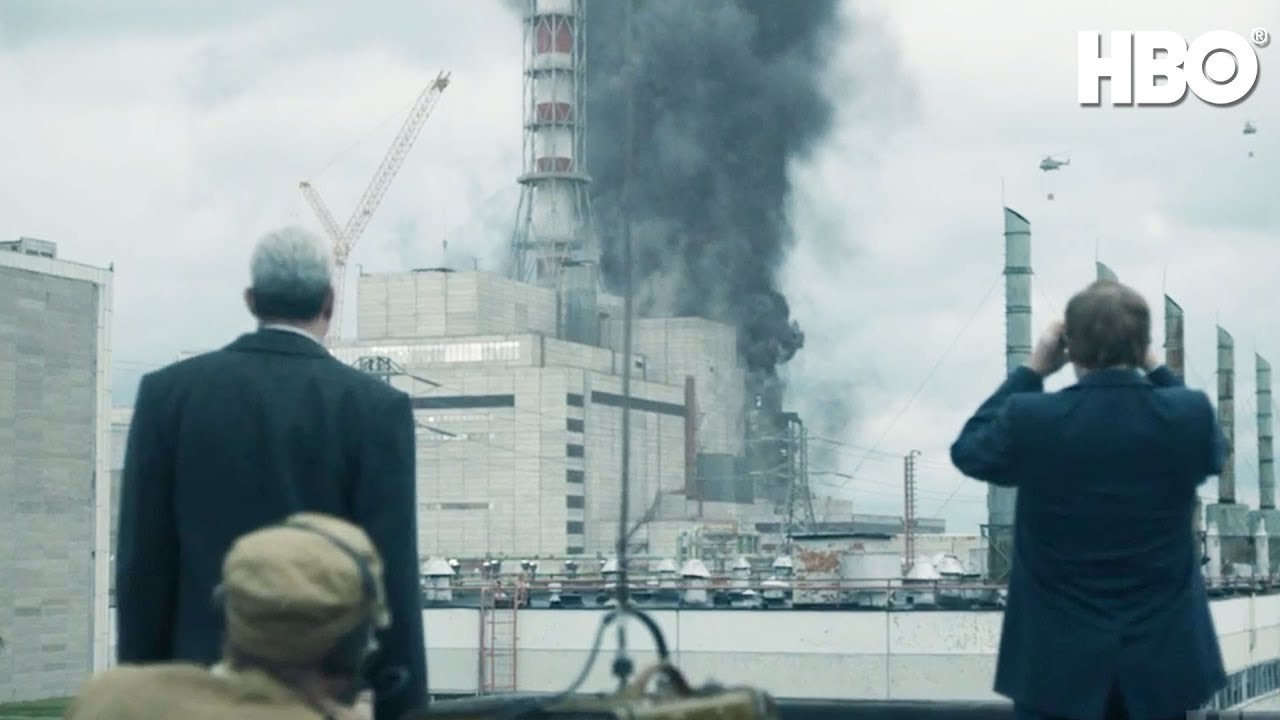
לצורך מאמר זה אני רוצה לטעון שתקיפה מינית היא כמו אסון גרעיני אנושי ולהשוות בין פגיעה מינית שמתרחשת בתוך קהילה אידאולוגית – לאסון הגרעיני בצ'רנוביל, שהתרחש בתוך ברית המועצות ובקרב קהילה אידאולוגית. כמו הכור הגרעיני, שנמצא במקום נסתר וסגור שאין לחשוף אותו, גם הפגיעה המינית היא לרוב נסתרת מהעין, מתרחשת במחשכים, לא נגישה לכלל ולפעמים גם לא לנפגעות ולנפגעים בעצמם. עד כדי כך מוסתרת שלאחר הטראומה יהיה קושי להכיר בעוצמתה. הן הנפגע/ת והן הסביבה ינסו להקטין ולמזער את משמעותו הטראומטית והמסוכנת של האירוע. ניסיונות להכיר בעוצמתו הקטלנית של האירוע עלולים להחוות כאיום על שלמות הנפגע/ת, המשפחה והחברה בכללותה.
למרות זאת, לטראומה כוח משלה, החותר להופיע על פני השטח. כמו באסון גרעיני, גם בפגיעה המינית ישנה "קרינה רדיואקטיבית", בלתי נראית, אך הרסנית. בעת חשיפה של הגוף לקרינה רדיואקטיבית ישנו שלב של רמיסיה, שלב בו נראה שהכל בסדר, אך למעשה ישנו תהליך זוחל של התפרקות התאים בגוף. מי שלא מבין בזיהום רדיואקטיבי, עשוי לחשוב שהאדם החלים מהפגיעה. תקופה זו אינה מוגדרת בזמן, אך בסיומה או סביב אירוע טראומטי אחר, השלב השני של הזיהום הרדיואקטיבי יתחיל לפעול ויביא לקריסה קטלנית של הגוף. גם הטראומה המינית מותירה חותם ומכרסמת בנפש, ממשיכה לזרוע הרס ימים, חודשים ושנים לאחר הפגיעה. כמו בקרינה רדיואקטיבית, לטראומה קשה יש אפקט מדבק. משהו מהרוע הבלתי נתפס שהתרחש בזמן הפגיעה נטמע בגופם ונשמתם של הנפגעים.
לטפל בסימפטומים בלי לחשוף את הפגיעה
המחשבה ששמירת הטראומה בסוד תטיב עם הנפגע או הנפגעת, מונעת מהם לקבל את הסיוע והטיפול להם הם זקוקים. באסון הגרעיני בצ'רנוביל למשל, צוות הפינוי הביא את הרכב הרובוטי המתקדם ביותר בברית המועצות כדי לפנות את החלקים, אך הרובוט שבק חיים אחרי מספר דקות. כך גם בהמשך כאשר בריה"מ הזמינה מגרמניה את הרובוט המשוכלל ביותר שלהם, אך גם הוא שבק חיים. הדבר מפתיע שכן הגרמנים אמרו שהוא יעמוד ברמות הקרינה, אך מתברר שבריה"מ שיקרה לגרמניה, העבירה לה נתון קרינה נמוך והקטינה את תיאור הפגיעה כדי לשמור על שמה הטוב. באופן דומה, נפגעים ונפגעות רבים הולכים או נשלחים למטפלות ומטפלים שאינם מבינים בטיפול בטראומה, או פונים לטיפול בסימפטומים מבלי לחשוף את הפגיעה המינית שנמצאת כל הזמן ברקע. מצב זה מביא לא פעם להתערבויות כושלות שלא עוזרות ולעיתים אף מזיקות. בכדי שהטיפול יוכל לעזור, יש לאפשר שיח אמיתי וכנה, חף משקרים, הקטנות והסתרות, ככל הניתן, אודות הטראומה והשלכותיה.
במקרה של צ'רנוביל, מבינים שאין רובוט שיכול לבצע את העבודה, רק בני אדם. כתוצאה מעוצמת הקרינה, אסור לבני אדם להיות חשופים יותר מדקה וחצי לקרינה בעוצמה זו. כך נוצרת שרשרת אנושית שמפנה את החומר הרדיואקטיבי בשיתוף פעולה כדי להקטין ככל הניתן את כמות הנפגעים.
כך גם אנחנו, משפחות הנפגעות והנפגעים, צוותי הסיוע והטיפול, חשופים לרדיואקטיביות של הטראומה. בכדי להתמודד עם השפעה רעילה זו, עלינו לייצר קהילה גם למשפחות, לאנשי מקצוע ולגורמי הסיוע והטיפול השונים. עלינו לטוות רקמה אנושית שתוכל לשאת את כובד המשא יחד, לא להשאיר את הנפגעות והנפגעים לבד, ולא להישאר עם הטראומטיזציה המשנית לבד.
מעובד מתוך פרסום בחוברת השנתית של מרכז סיוע ת"א, 2019. לקריאת המאמר המלא >>

הפסל נמצא בצ'רנוביל
"The way we respond to a traumatic incident is significant and influences the results of that incident no less than the event itself". Ori Sherman-Knohl writes about the way an ideological community copes with trauma and the community mechanisms that can lead to its silencing or healing.
The way we respond to a traumatic incident is significant and influences the results of that incident no less than the event itself. The choice to remain silent about the scale of the assault and to encourage to do so, impairs the ability to efficiently treat the trauma, and even exacerbates and intensifies the inconceivable harm it causes. The ability of a trauma victim to embark upon a process of recovery and healing is rooted in the reaction of the victim's surroundings and its ability to empathize with and support the victim. This heightened importance of the role played by the victim's surroundings and community can be explained by the fact that sexual trauma is characterized by a greater tendency for silence and concealment than other traumas due to the intimate space in which it occurs.
Trauma and the Ideological Community
Sexual trauma does not occur in a vacuum. It always takes place within a context – spousal, social, family, or communal. As noted above, the response to a traumatic event influences its results, and the characteristics of the family or community in which the incident occurs similarly influence and shape the incident and its ramifications. It is important to note that the prevalence of sexual assault is similar throughout all population groups, with one in five people – both men and women – experiencing sexual assault at some time during their lives.
Despite the similar frequency, there are differences in the manner in which sexual assault is made possible and related to in each society, and in the way it is treated after its exposure. Each society has its own "openings to assault" i.e., the social characteristics that enable the offender to perpetrate the crime and which prevent the victim from revealing the assault. For example, in the religious community, the taboo surrounding sexuality and the prohibition of talking or thinking about sexuality, create a lack of understanding regarding sexual situations that makes it difficult for a victim to understand that an attack is actually happening. Furthermore, the taboo prevents the victims from talking and even thinking about the assault, such talk being considered immodest, while thinking about sexuality is perceived as leading to sin.
Even liberal societies that are characterized by a more open discourse around sexuality have their own openings to assault. For example, in the art world, the demand from students to demonstrate their dedication to creative endeavor, the expectation of self-exposure, and the fierce competition in the field may all constitute openings that enable a responsible adult the opportunity to prey on their student.
One of the central values of religious society is the importance attributed to the collective group over the individual who is viewed as part of a larger community. Among the central tenets are the belief in helping others and self-sacrifice for a greater objective. Moreover, religious society is, in many senses, an ideological society i.e., a society that views itself as a chosen minority, the goal of which is to lead a better reality. The members of the community propose an alternative (and to their mind, more correct) path, out of a genuine belief that this path shields the community members and the entire world from evil. In other words, religious life supposedly protects the individual from the dangers present in secular life.
Traumatic incidents shatter the community's constitutive myth. The protective shield has failed in its mission to defend them, and the victims themselves become living proof of this social failure. The result is a defensive effort to erase the traumatic incident from both the individual and collective memories. When such erasure is impossible, repeated attempts are made to diminish and conceal the results.
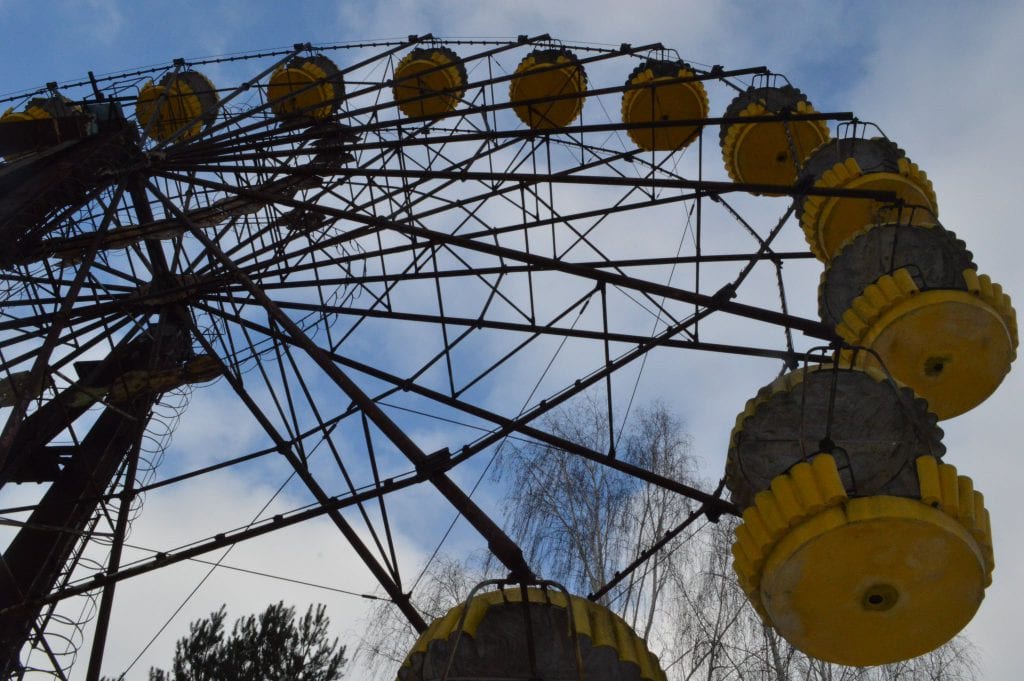
גלגל ענק שנמצא בצ'רנוביל
Healing Mechanisms of an Ideological Community
The community mechanisms that may be used for silencing the trauma can also serve to contend with it. In other words, ideology can serve as a destructive "power multiplier" that intensifies the harm caused by the traumatic incident, but can, in other cases, serve as a means that enhances the ability to cope with it and provide support to the victims.
Put simply, an emphasis should be placed in ideological communities on ensuring that the same destructive mechanism used to silence or conceal the assault – with the intention of protecting the community and its values – is instead used as the key to healing and rehabilitation. Examples include community tribunals such as the 'Takana' Forum that can serve as a mouthpiece and a protective shield for victims, thereby reinforcing social cohesion and care for others and facilitating a support and help network for trauma victims. Conversely, if managed incorrectly, such bodies could also serve to cover up attacks and protect offenders.
In an open liberal society, the ideal of self-fulfillment and the approach whereby the individual is responsible for shaping their own life, moral outlook, and values carry an inherent risk of loneliness and alienation. In contrast, the collective consciousness and value of helping others, even at the cost of sacrificing one's own personal interest can be harnessed to assist victims and create a social support network.
A Double Agent of Therapy and Reputation
Those responsible for assisting and treating victims of sexual assault may be perceived as double agents with the community adopting an approach of respectful suspicion towards them. The attitude towards "official" or community support and therapy entities is complex. The community simultaneously seeks both the most up-to-date and accurate information about any incident, while also striving for control over the information's dissemination and use. While such entities bear a responsibility to assist and treat victims of sexual assault, they are also conscious that they hold the community's reputation in their hands – thereby fulfilling a dual internal role that may influence the community's own view of them.
Those assisting victims may frequently find themselves contending with conflicting loyalties: should they protect the victims' interests or those of the community? In communities that constitute an ideological society, every investigation or consultation by an outside entity may be perceived as dangerous and threatening, rendering any offered assistance difficult to receive, while even internal advice is treated warily.

Sexual Assault as a Nuclear Disaster
For the purposes of this article, I wish to claim that sexual assault can be likened to a human nuclear disaster, and to equate sexual abuse occurring within an ideological community with the Chernobyl nuclear disaster that occurred in the ideological community of the Soviet Union. Like a nuclear reactor that is located in a closed concealed space, safe from exposure to the outside world, sexual abuse is generally hidden from view, perpetrated in the shadows, inaccessible to the general public and sometimes, even to the victims themselves. Indeed, the concealment may be so powerful as to make it difficult to recognize the severity of the assault. Both the victim and their surroundings will try to minimize the incident's traumatic and dangerous ramifications. Attempts to acknowledge the incident's devastating trauma may be experienced as a threat to the integrity of the victim, their family and society at large.
Nevertheless, trauma has a powerful nature that strives to make itself visible. Like a nuclear disaster, sexual assault also results in invisible yet devastating "radioactive decay". When exposed to such radiation, the body undergoes a stage of "remission" during which everything appears normal, a state that masks a creeping process of cell decay within the body. Someone unfamiliar with radioactive contamination may think that the person has recovered. This stage has no predetermined duration, but at its conclusion or around the time of another traumatic incident, the second stage of radioactive decay will be set in motion, leading ultimately to the body's devastating collapse. Sexual trauma likewise leaves its impression on the victim and erodes the soul, continuing to sow devastation for days, months, and years after the assault. Like radiation, severe trauma has a contagious effect. Part of the inconceivable malignity incurred at the time of assault is assimilated into the body and soul of the victims.
Treating the Symptoms Without Revealing the Assault
The notion that keeping trauma secret will benefit the victim, ultimately prevents them from receiving the assistance and therapy they need. During the Chernobyl nuclear disaster for example, the recovery team brought the most advanced robotic vehicle available in the Soviet Union to clear the debris, however the robot broke down after only a few minutes. The same thing happened when the Soviet Union subsequently ordered Germany's most sophisticated robot. This was surprising as the Germans had maintained that their device would operate despite the high levels of radiation, however it soon became clear that, in attempt to preserve its own reputation, the Soviet Union had lied to Germany, informing them of significantly lower levels of radiation and minimized descriptions of the damage. Similarly, many victims of sexual assault either go or are sent to therapists who lack proper understanding of trauma therapy or who seek treatment for their symptoms without revealing the sexual abuse which lingers constantly in the background. This situation leads, not infrequently, to incompetent interventions that are of no benefit or, even, damaging. Effective therapy requires honest and open conversation devoid, as far as possible, of lies, minimizations and concealment regarding the trauma and its ramifications.
The case of Chernobyl suggests that no robot can replace humans in performing the task. The intensity of the radiation is such that humans cannot be exposed to it for more than 90 seconds. The solution was to create a human chain that cooperates to vacate the radioactive material in order to keep the number of victims to a bare minimum.
We too, families of the victims, and support and therapy teams, are exposed to the radioactivity of trauma. To contend with this toxic influence, we must also create a community for the families, professionals, and the various support and therapy bodies. We must weave a human fabric capable of bearing the weight of this load, without neglecting either the victims or remaining focused exclusively on the secondary traumatization.
translated by Jeremy Kotner

המלצות לקריאה נוספת במגזין גלויה:
- איזהו גיבור? הפוגש את יצרו – אורי שרמן
- אל תשלח ידך אל הנער: התמודדות הקהילה הדתית עם עבריינות מין בקטינים – יונתן האורד
- בלבול השפות בין הפוגע לקורבנו: שפת הדת ושפת הפגיעה – ד"ר יהונתן פיאמנטה
- אתיקה של סמכות רבנית בגלוי ובמחשכים – הרבנית שרה סגל-כץ
- האם ניתן להלבין חטאים אפורים ושחורים? – הרבנית שרה סגל-כץ
- אינטימיות, פרטיות והסודיות המסוכנת המלווה פגיעות מיניות – חננאל רוס
- שתלטנות קיצונית בזוגיות: "את הצלקות שלי אי אפשר להסתיר עם מייק אפ" – ד"ר אילנה קוורטין
- נפגעות תקיפה מינית ועומק בדיקות בנידה – אלומה פלורסהיים דור
- המפגש של נשים נפגעות מינית עם הטבילה במקווה – רחל שי
***
קווי החירום לנפגעות ולנפגעי תקיפה מינית
1202: נשים | 1203: גברים
02-6730002: נשים דתיות | 02-5328000: גברים דתיים
סיוע דרך WhatsApp ב-052-8361202 | קולמילה – צ'אט סיוע אנונימי
מענה רפואי ראשוני | הליך פלילי והליך אזרחי | סיוע וליווי בהליך הפלילי | מענה טיפולי ורגשי
איגוד מרכזי הסיוע לנפגעות ולנפגעי תקיפה מינית | רקע, חזון ומטרות להקמת האיגוד
***