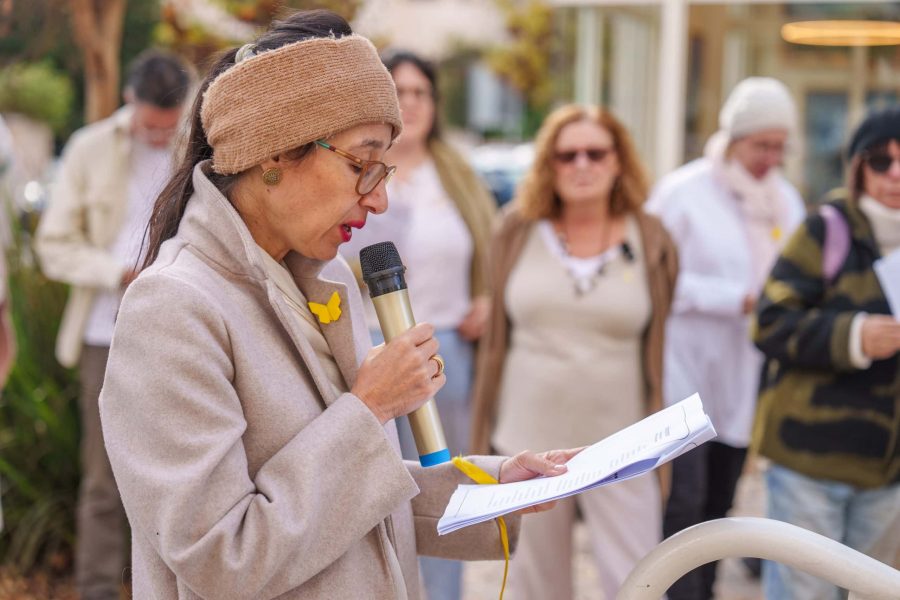
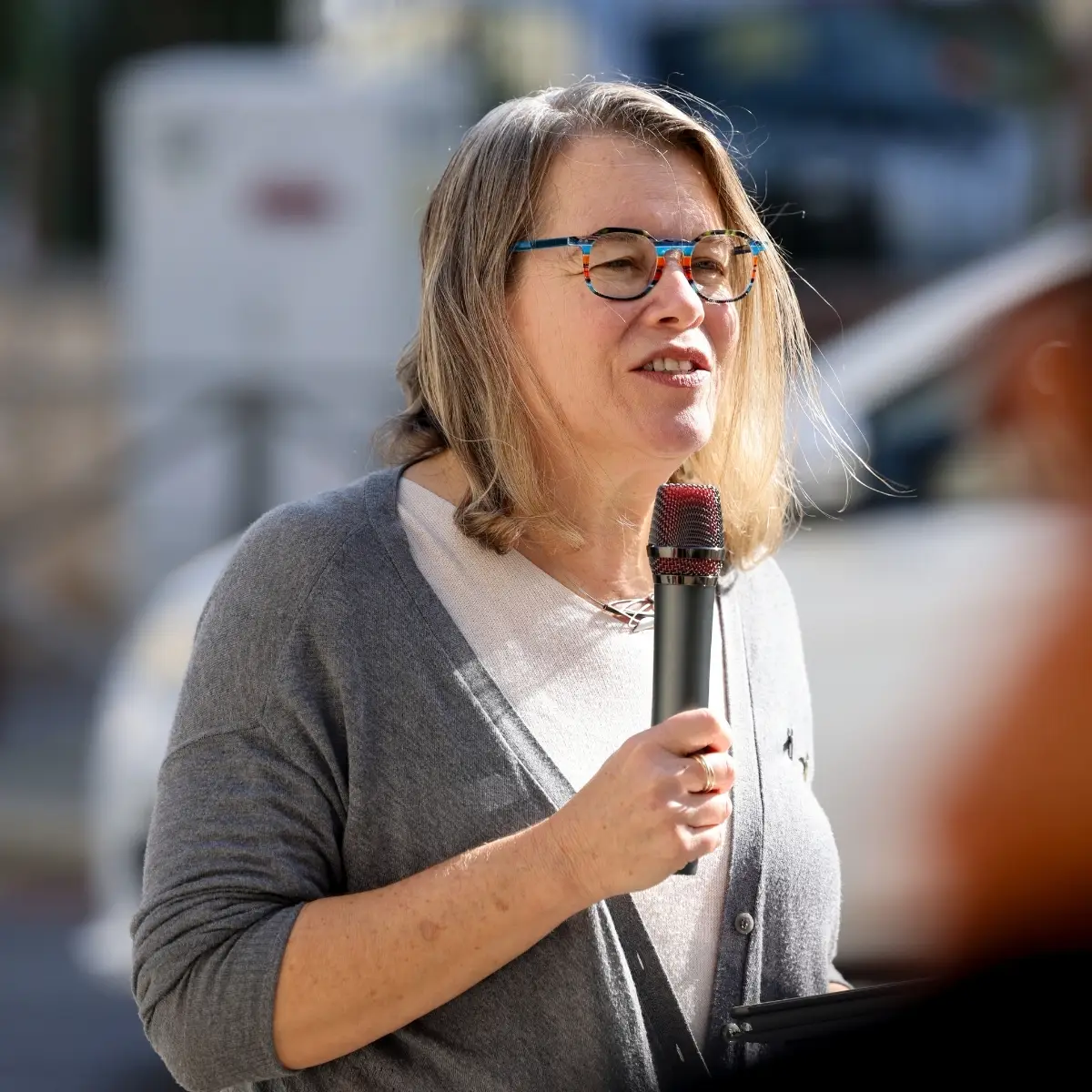
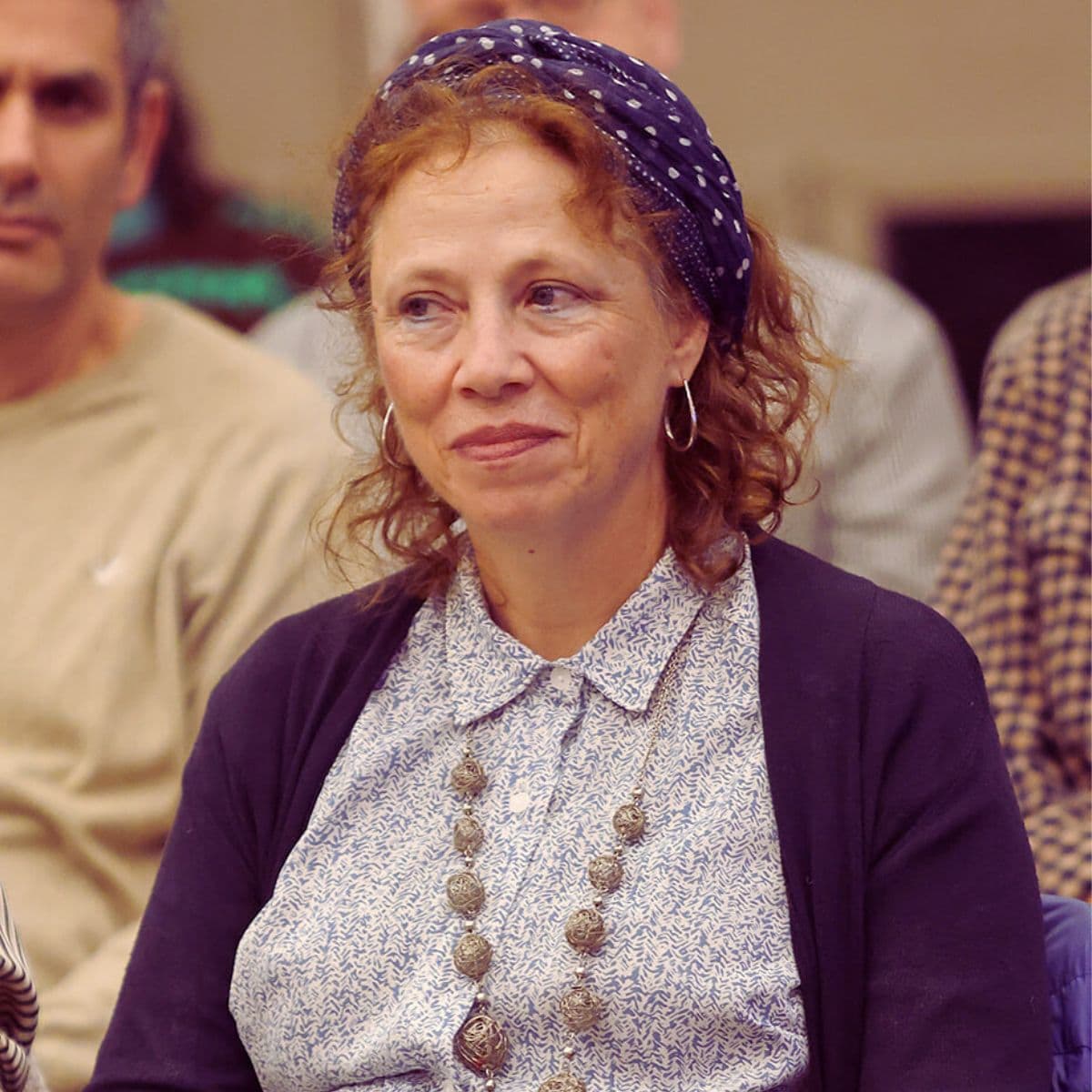
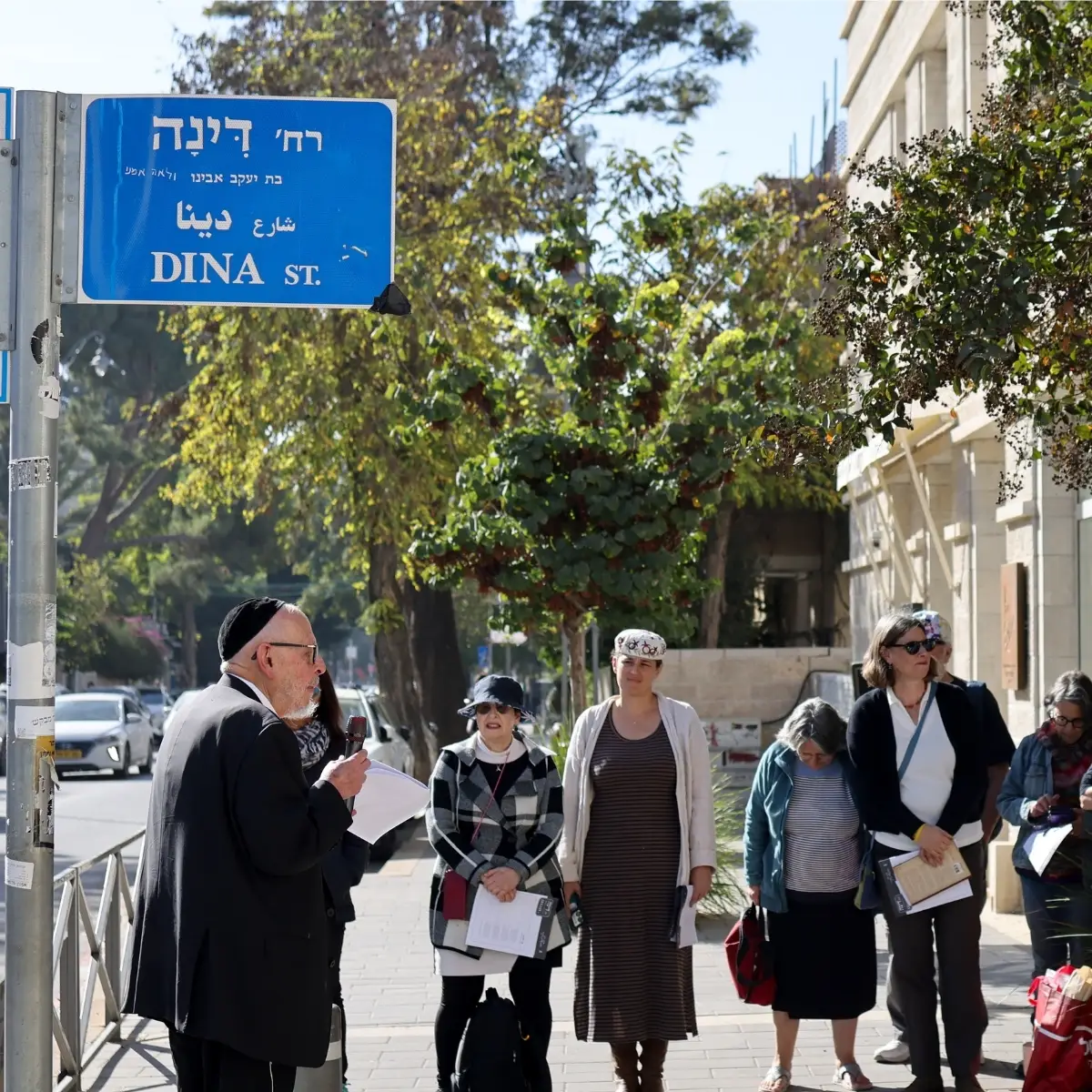
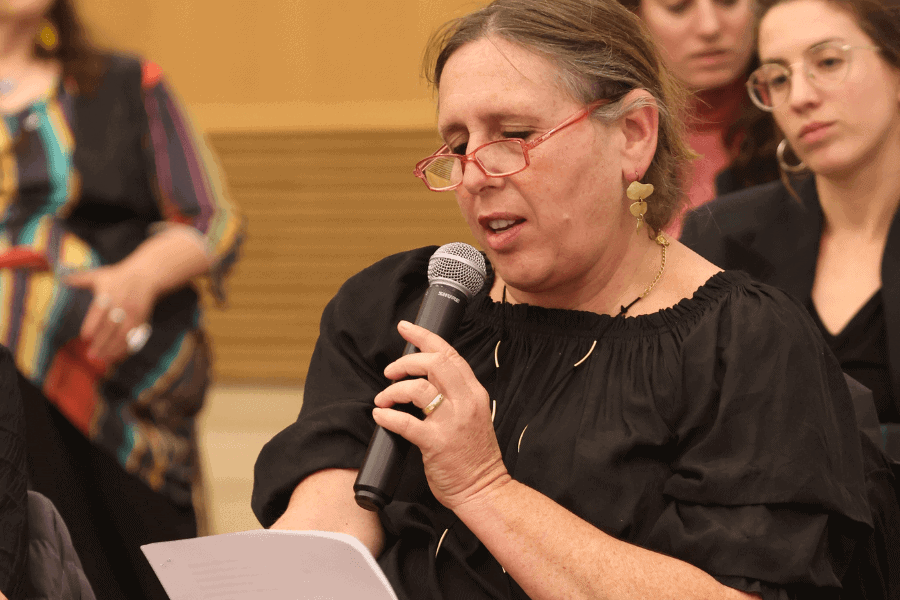
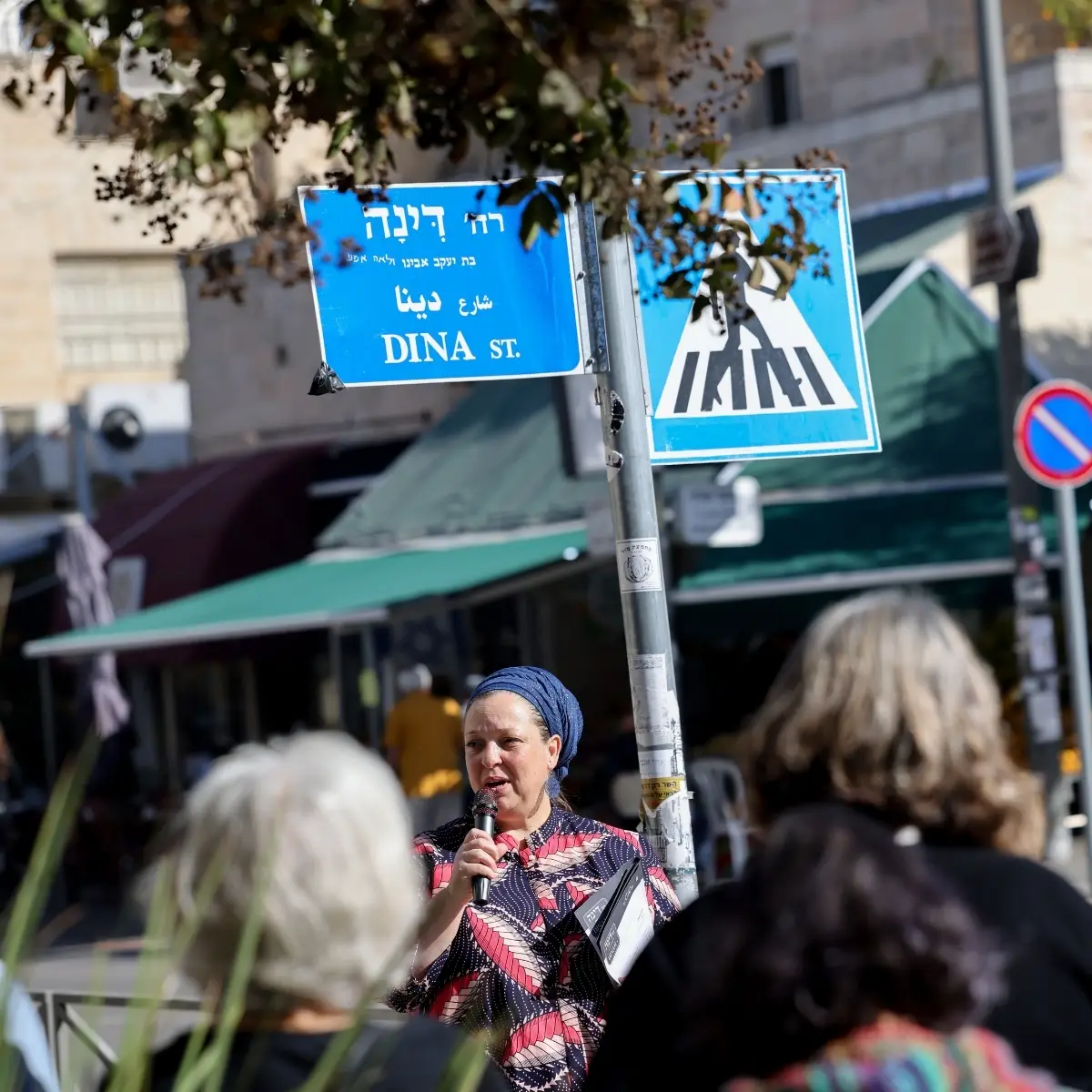
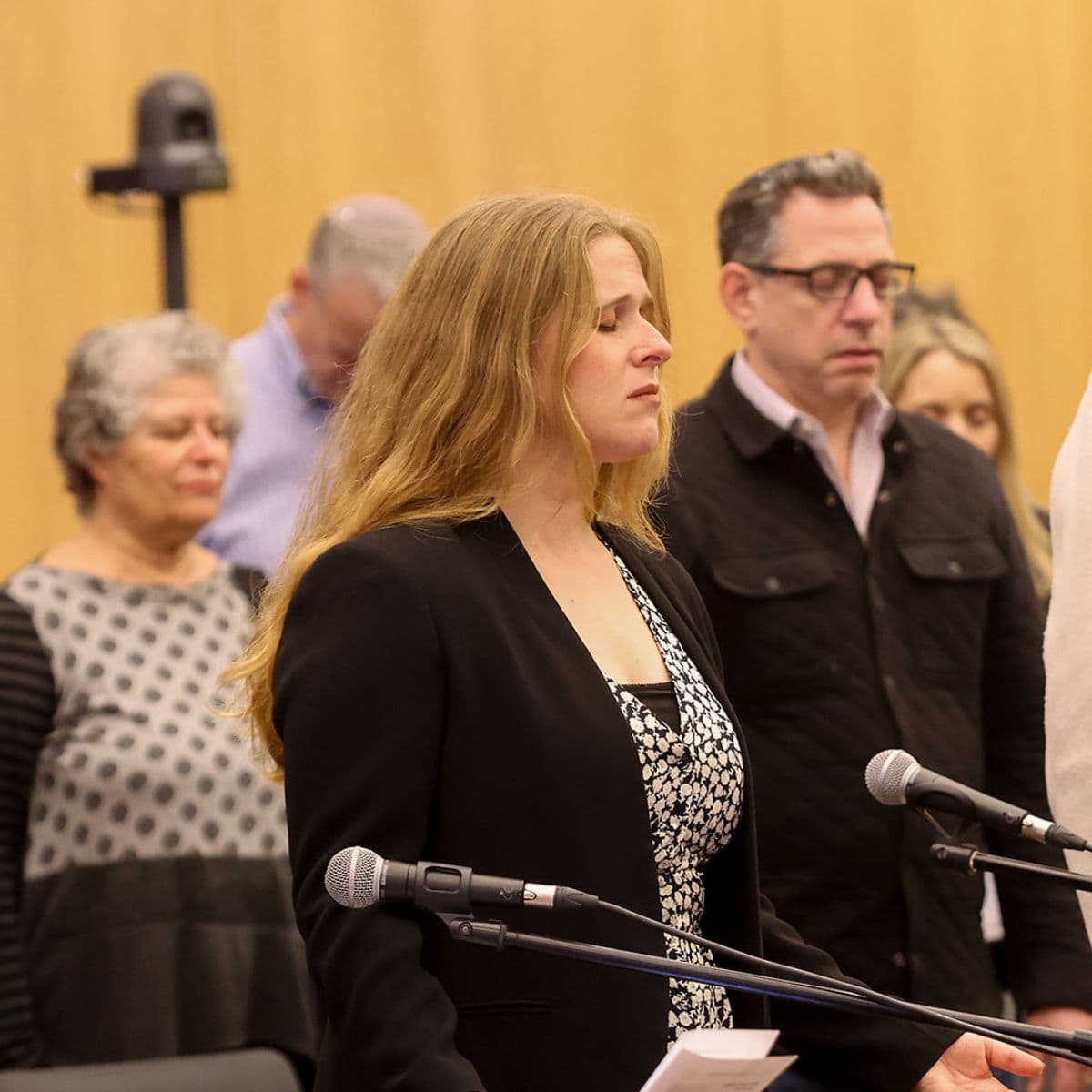
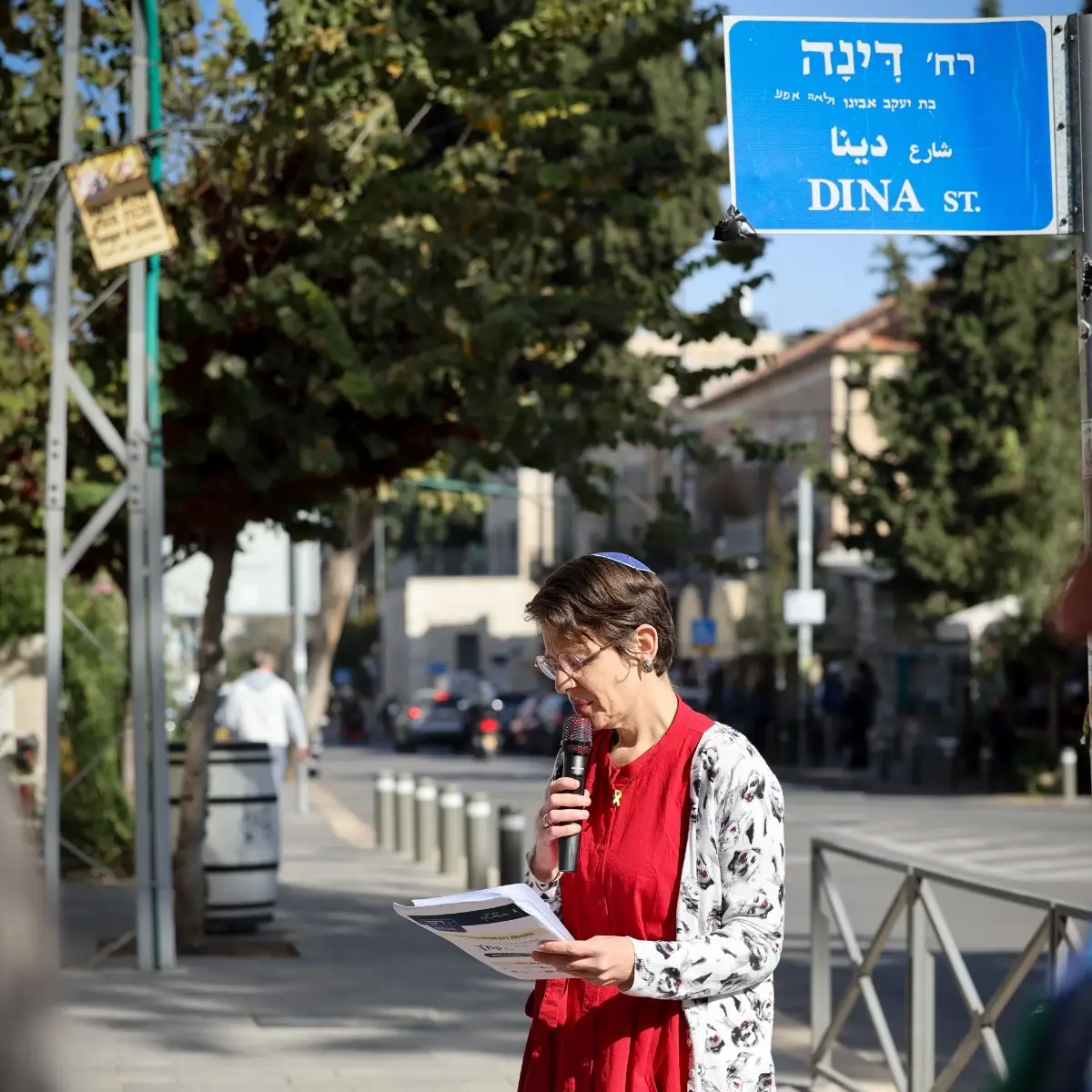
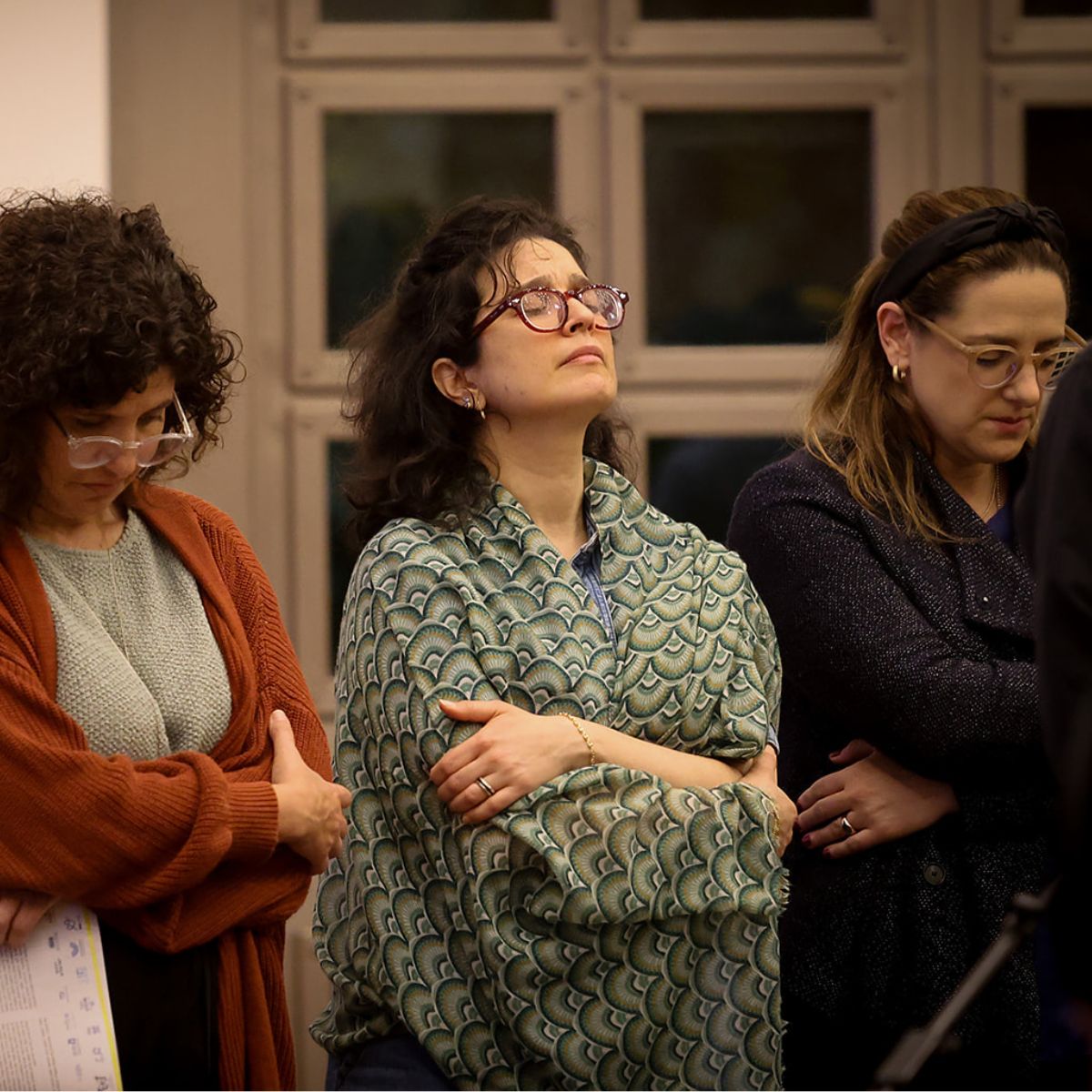
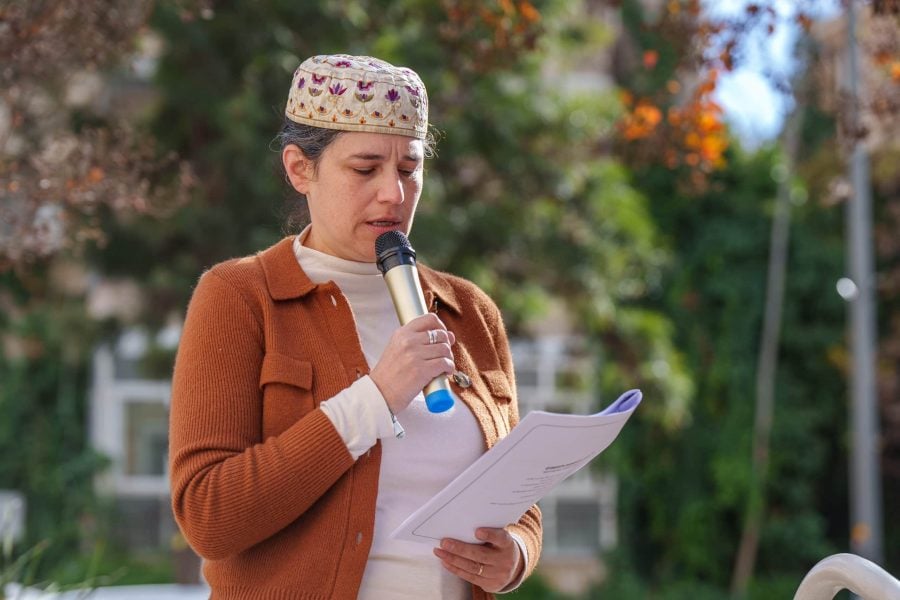
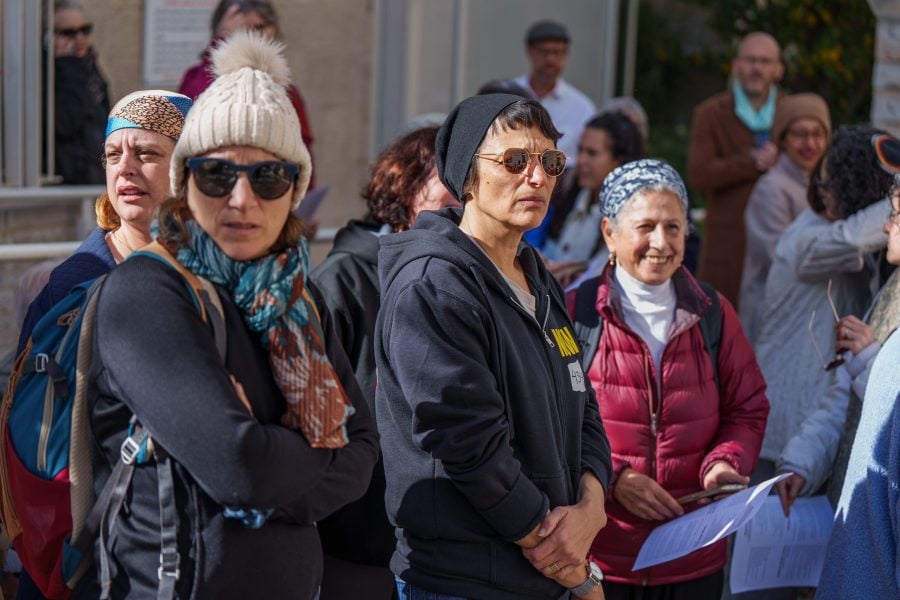
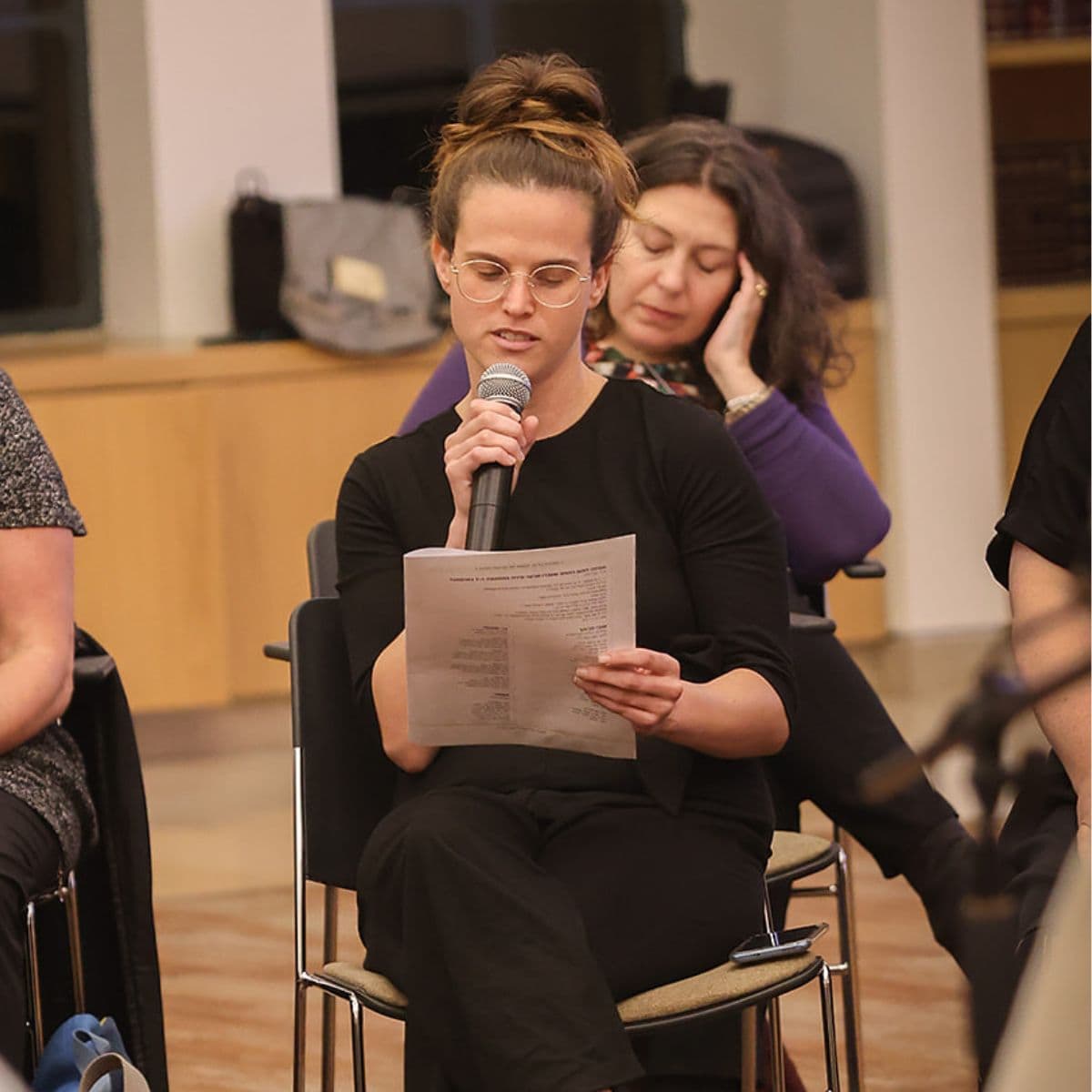
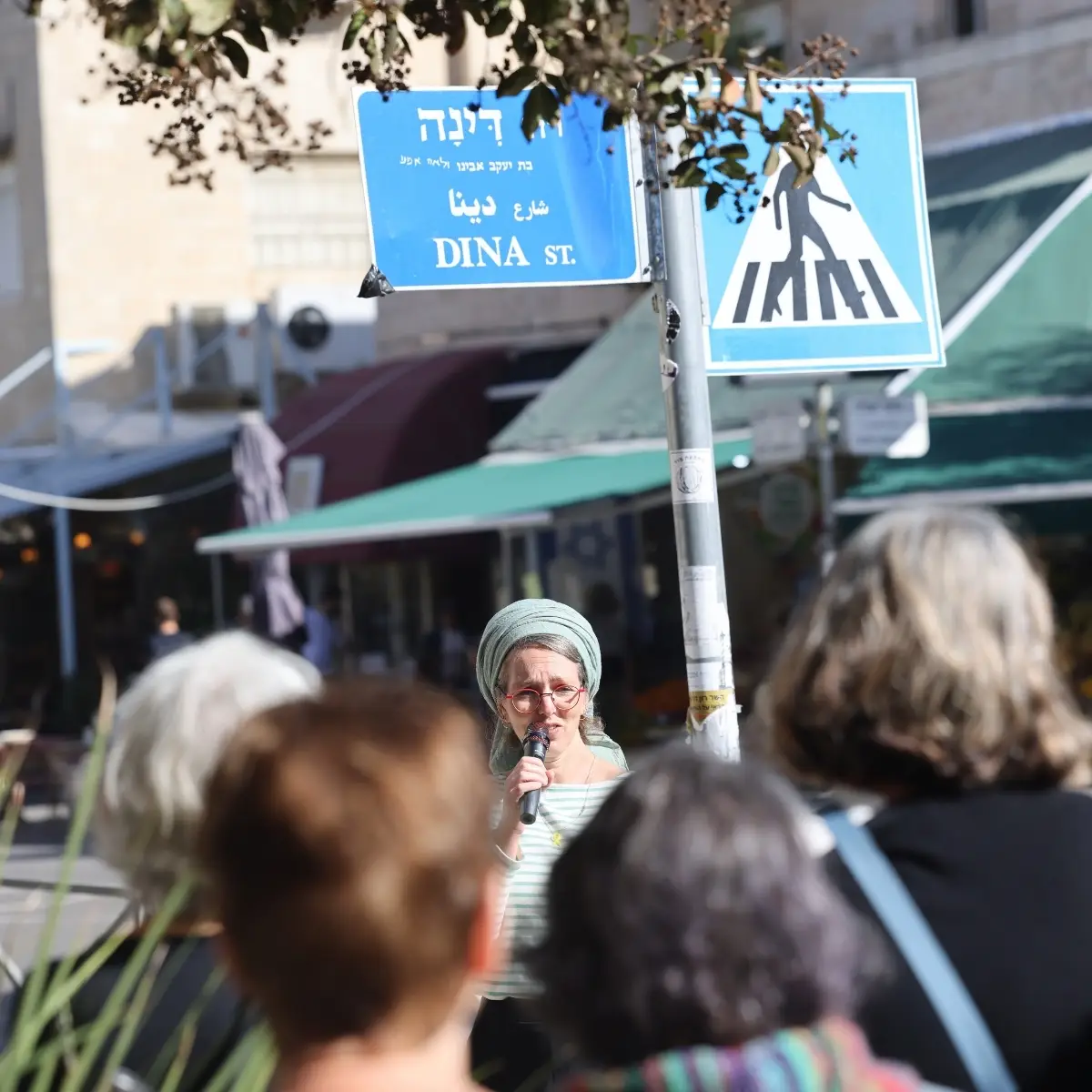
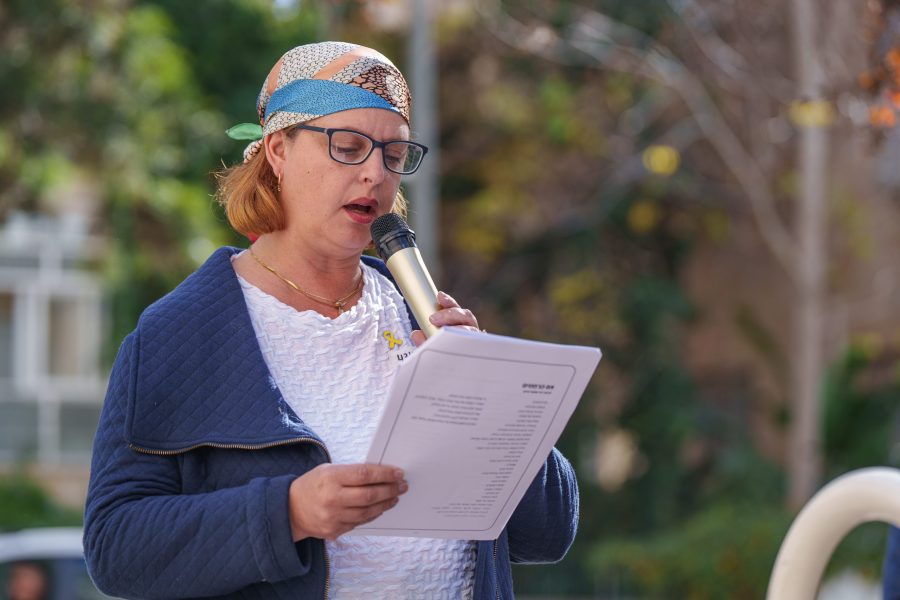
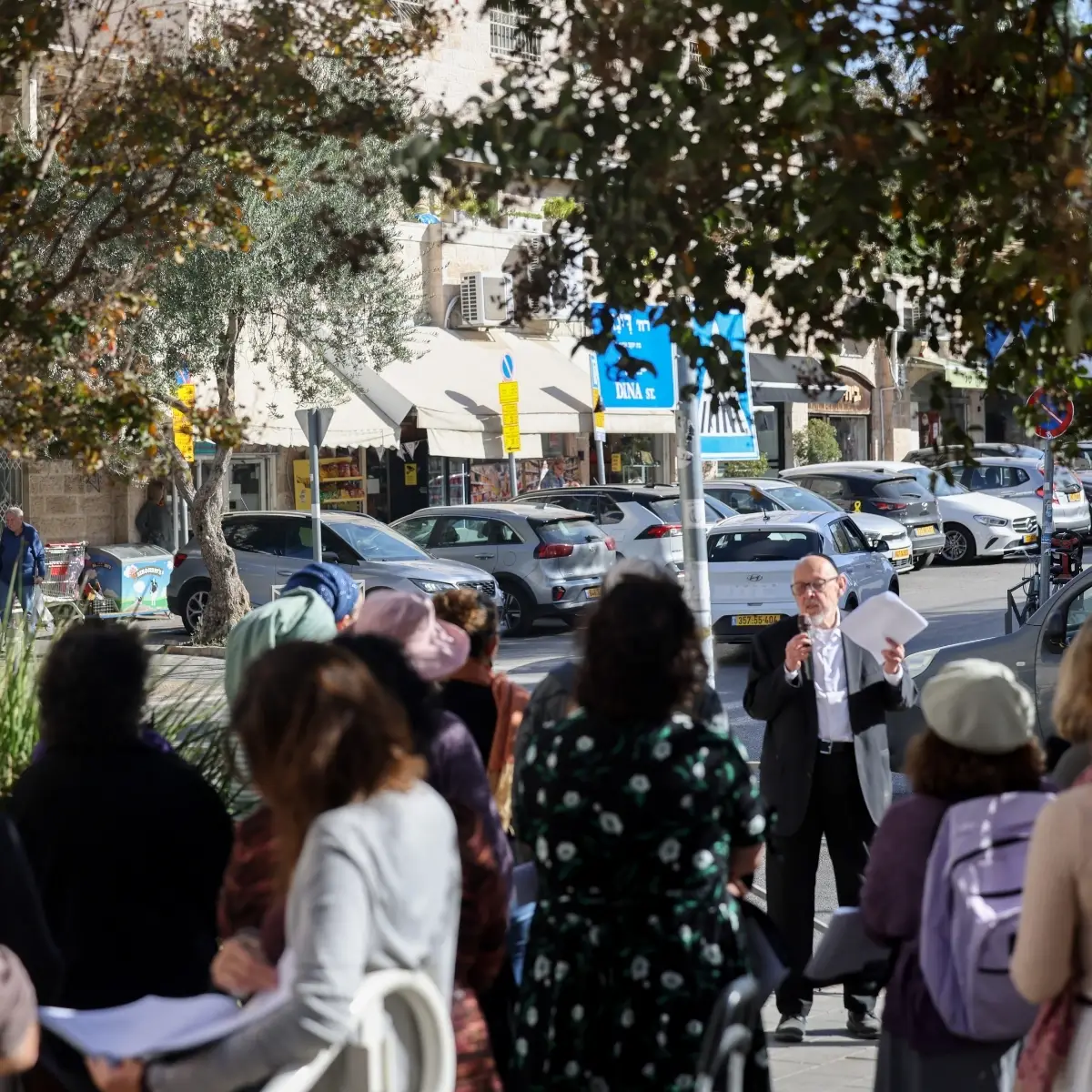
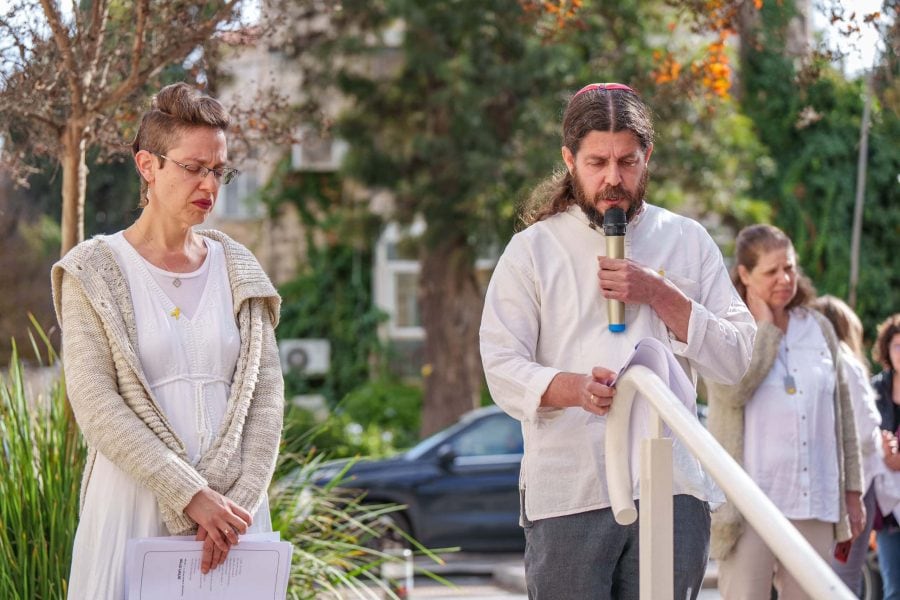
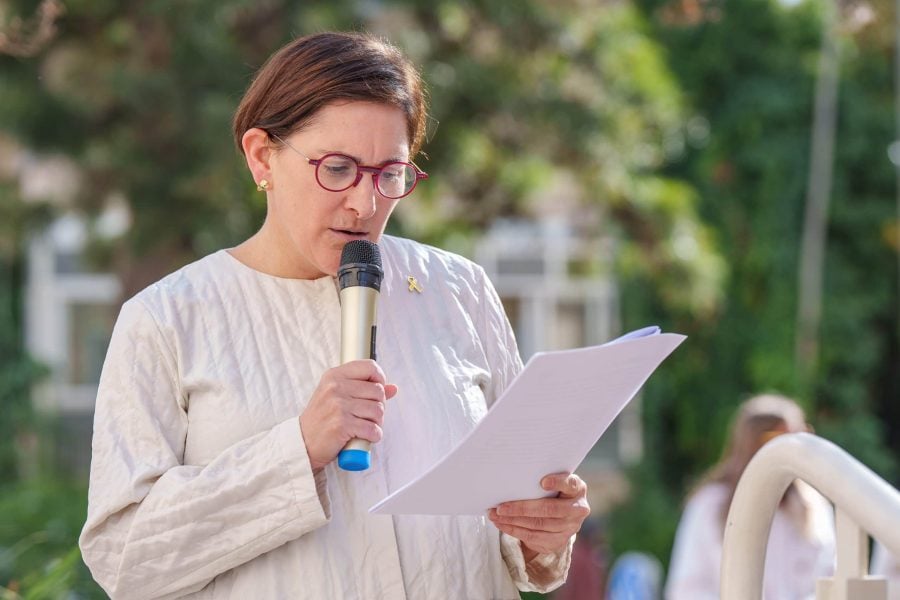
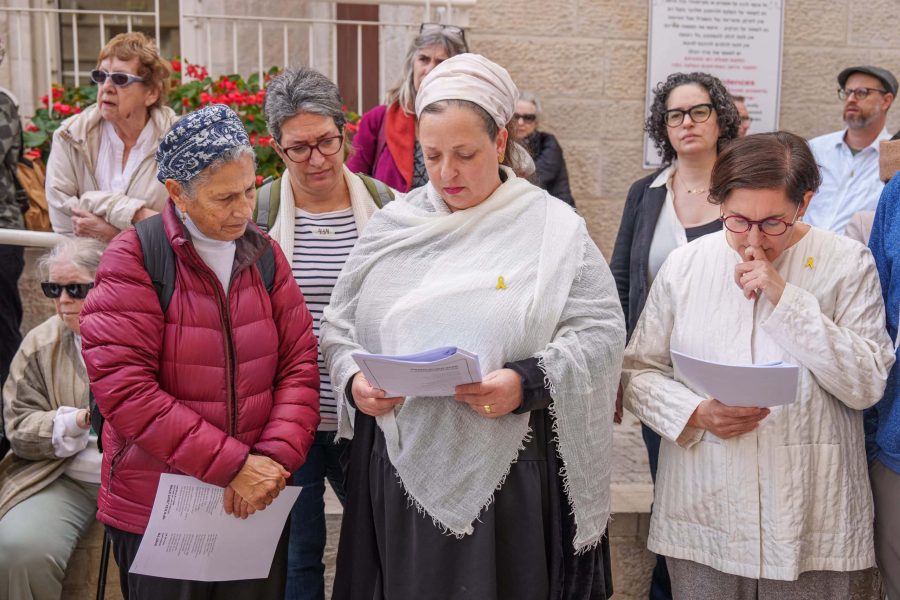
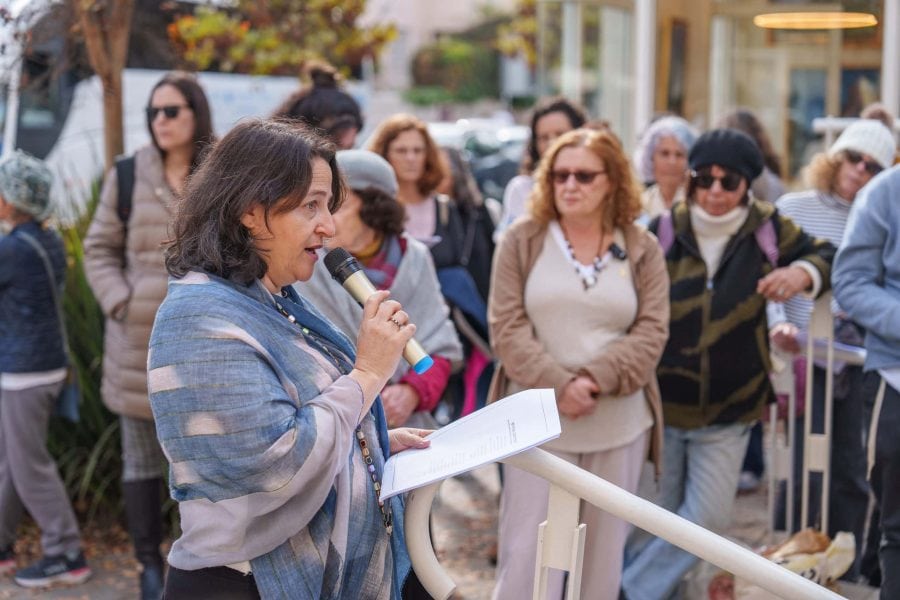
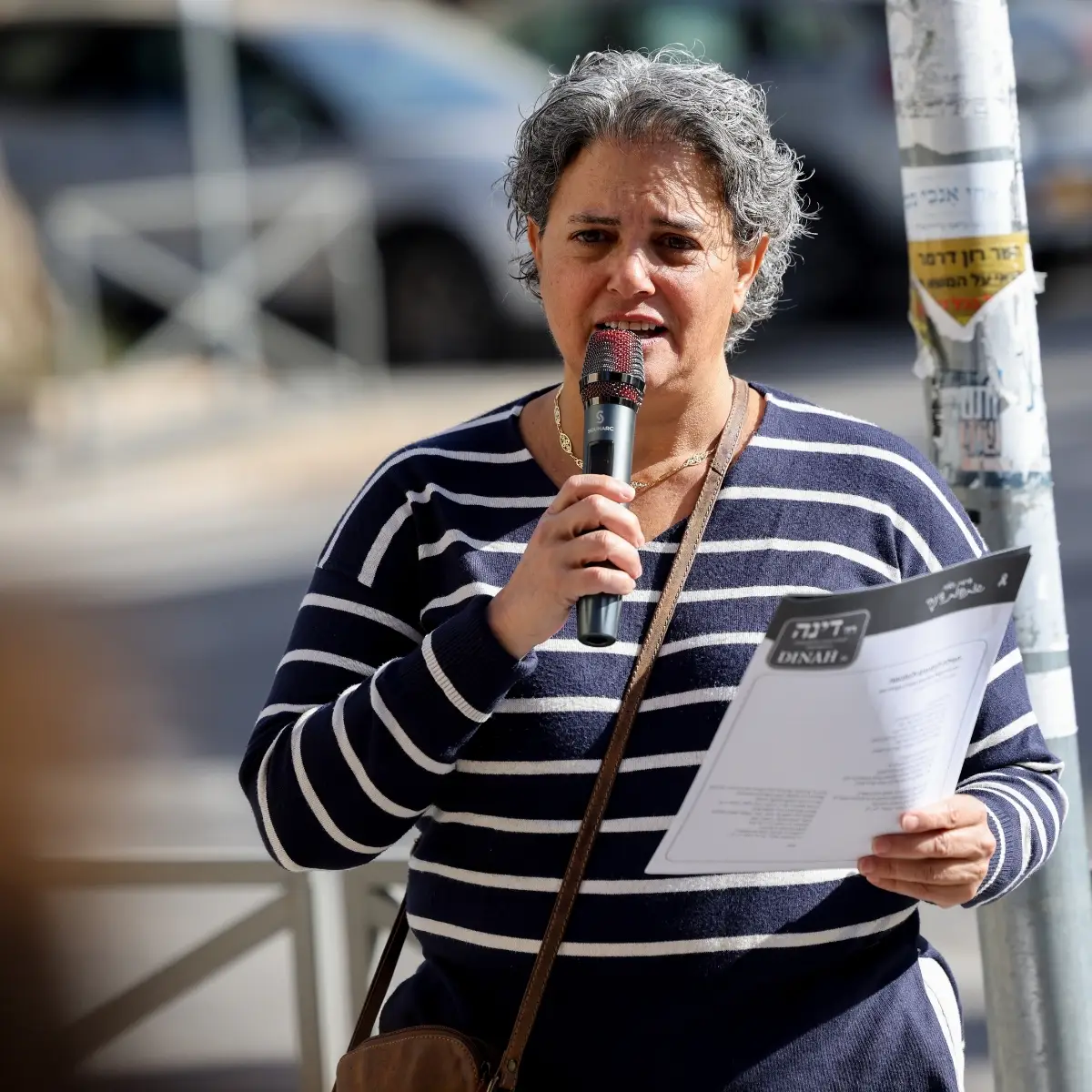
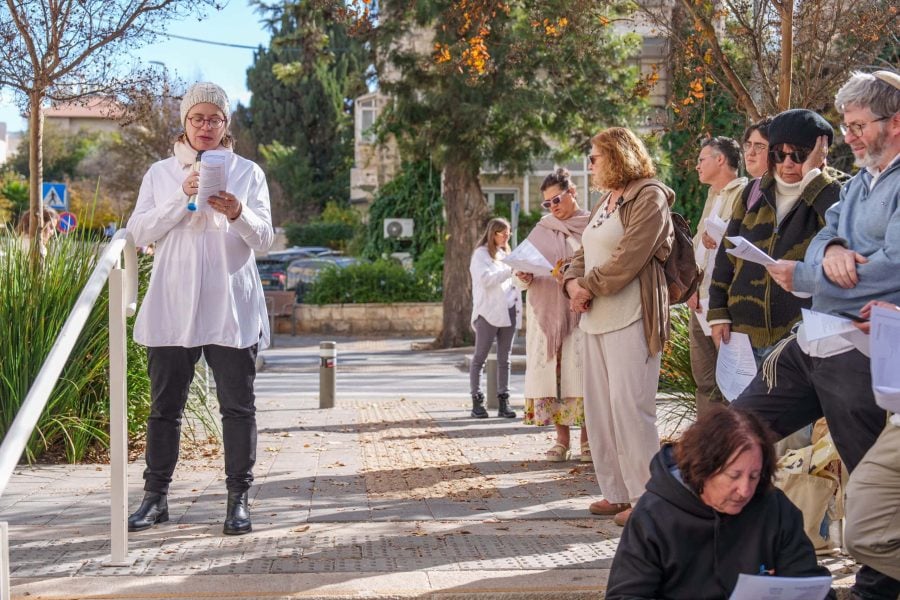
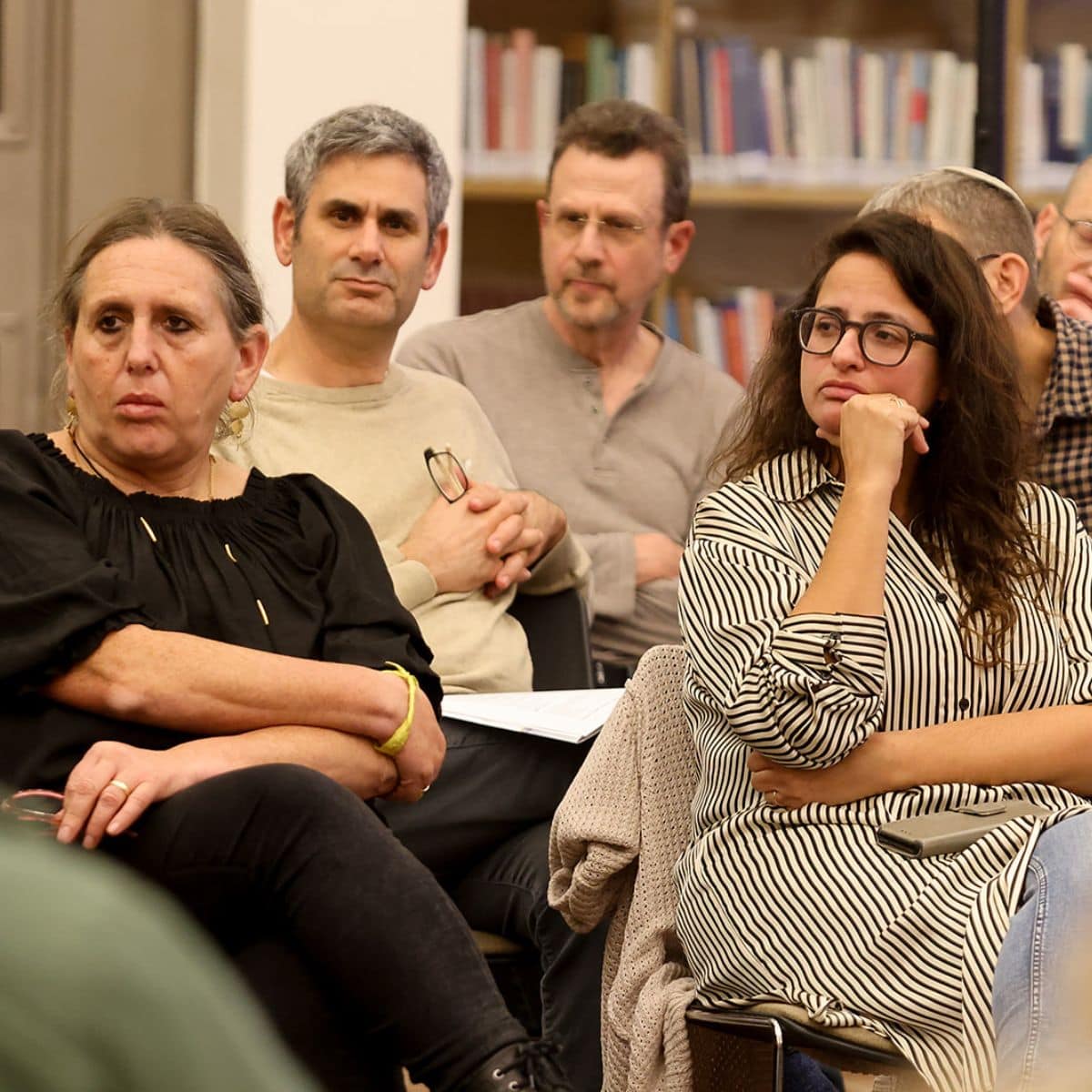
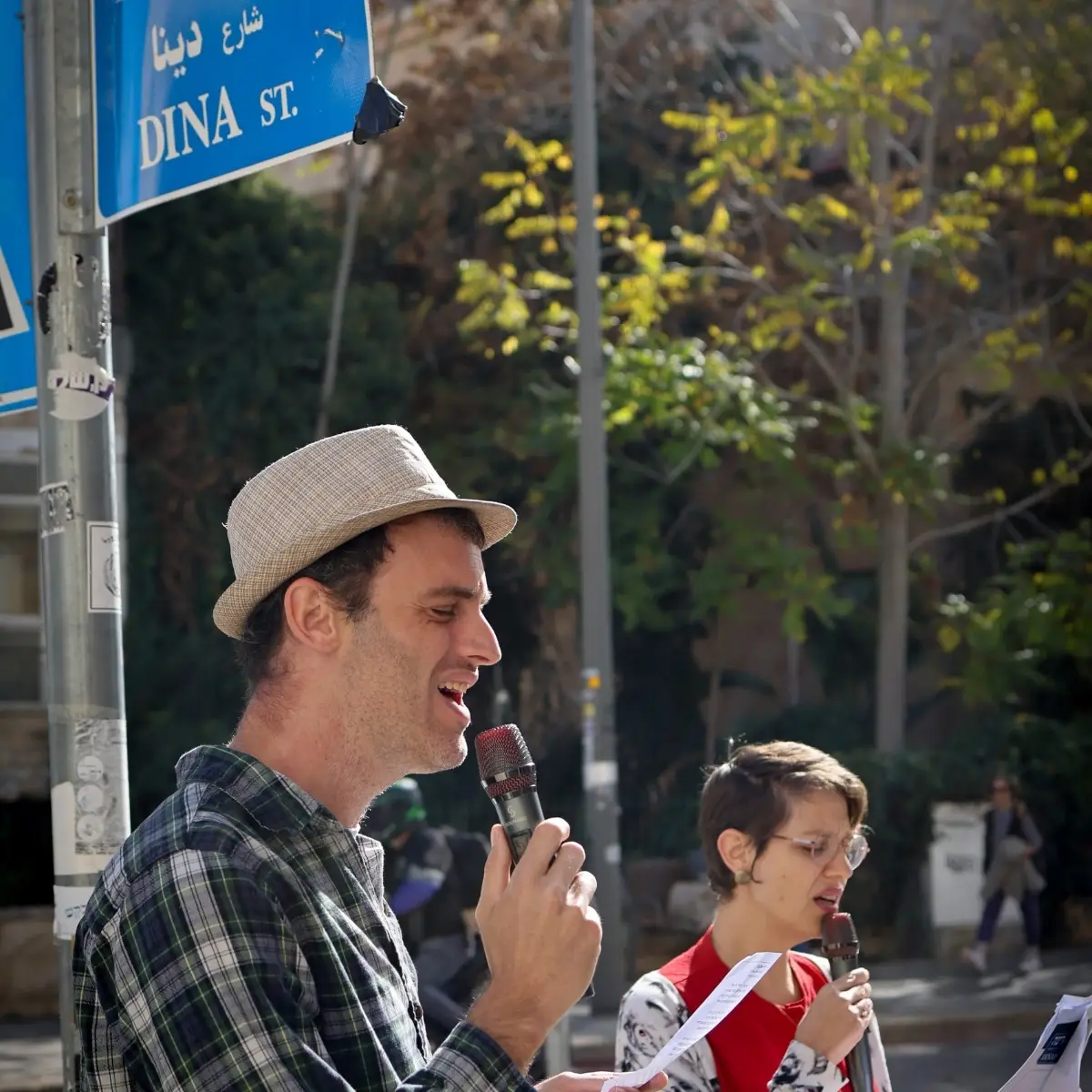
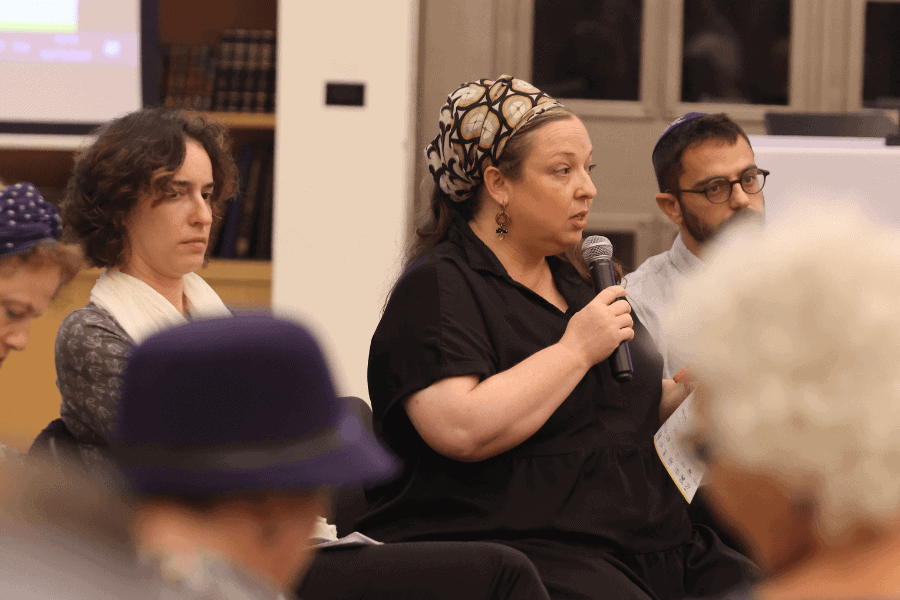
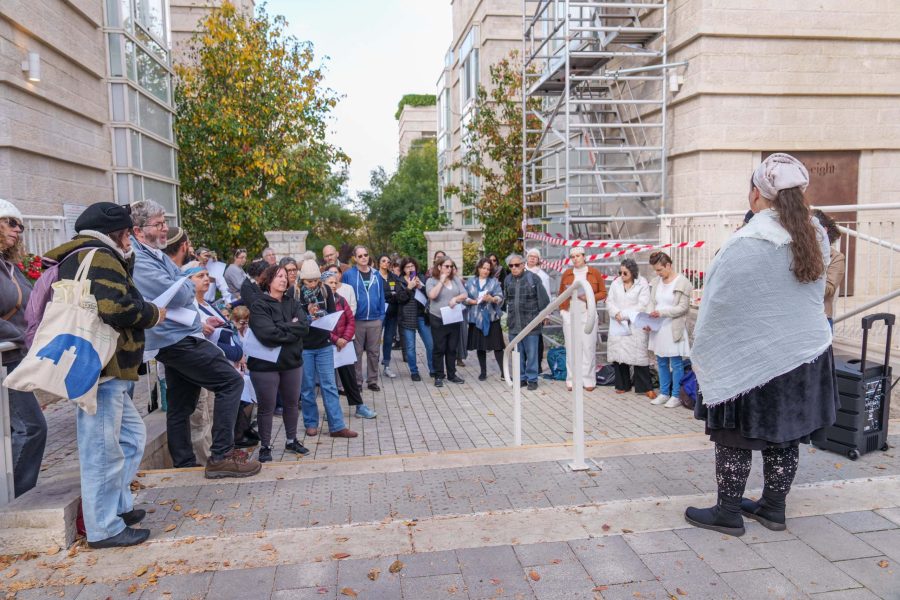
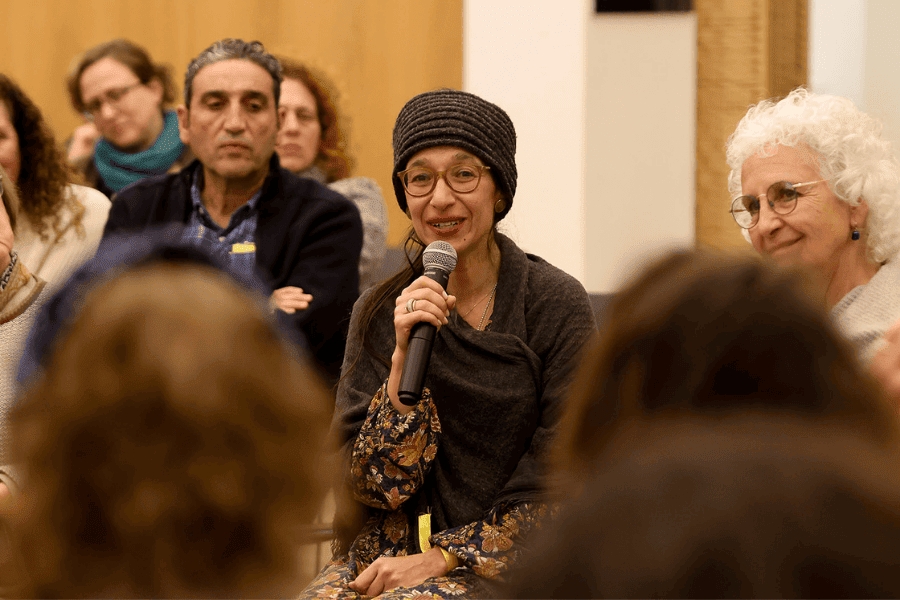
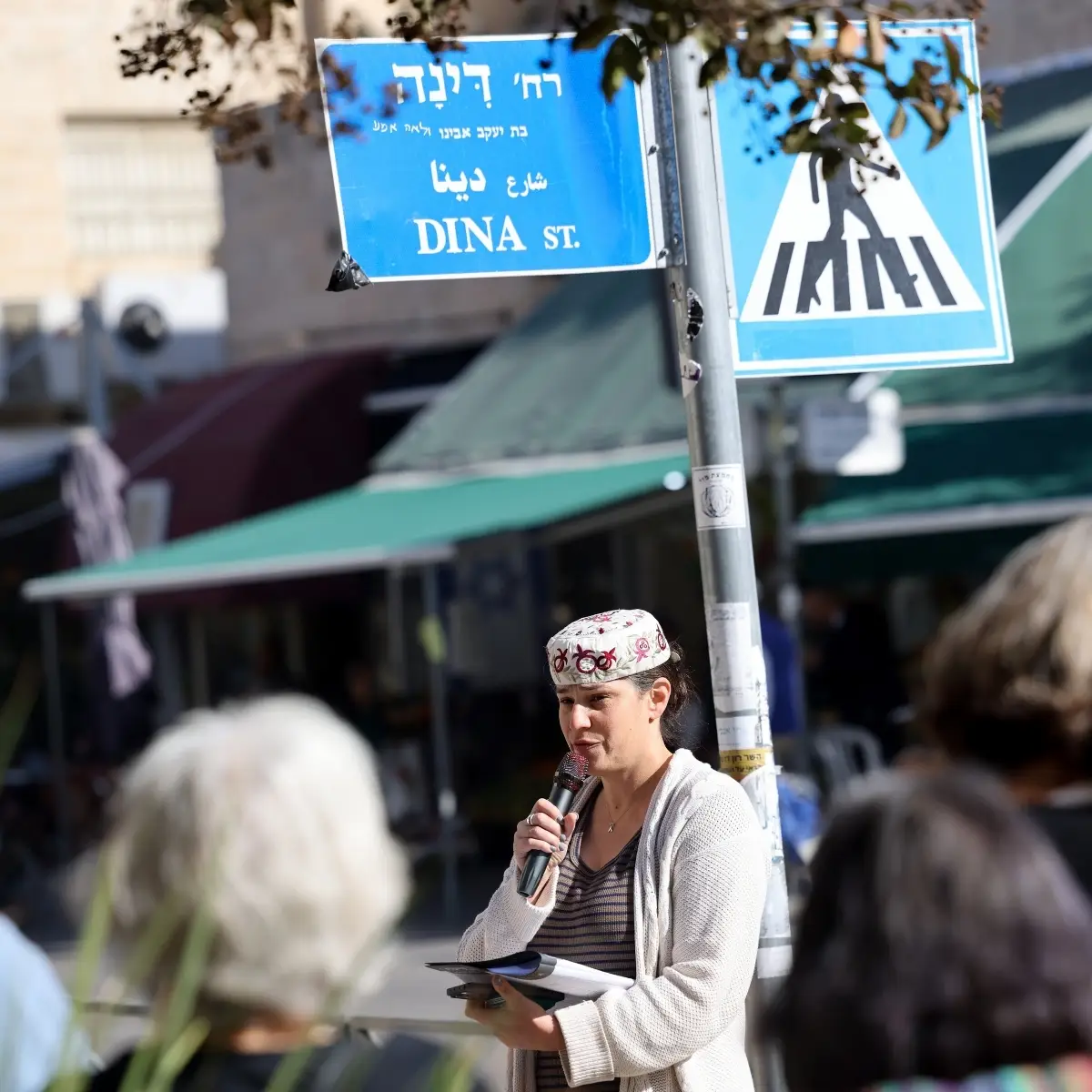
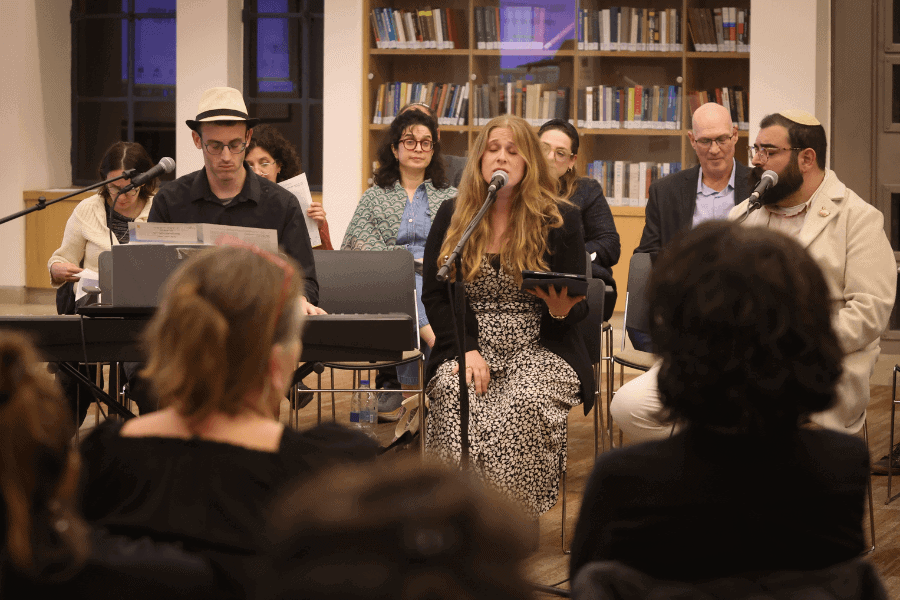
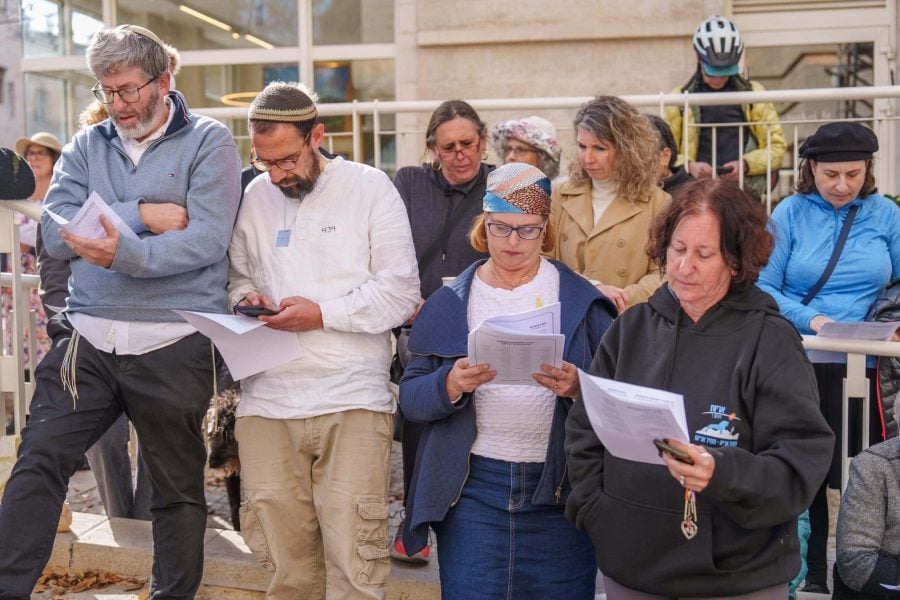
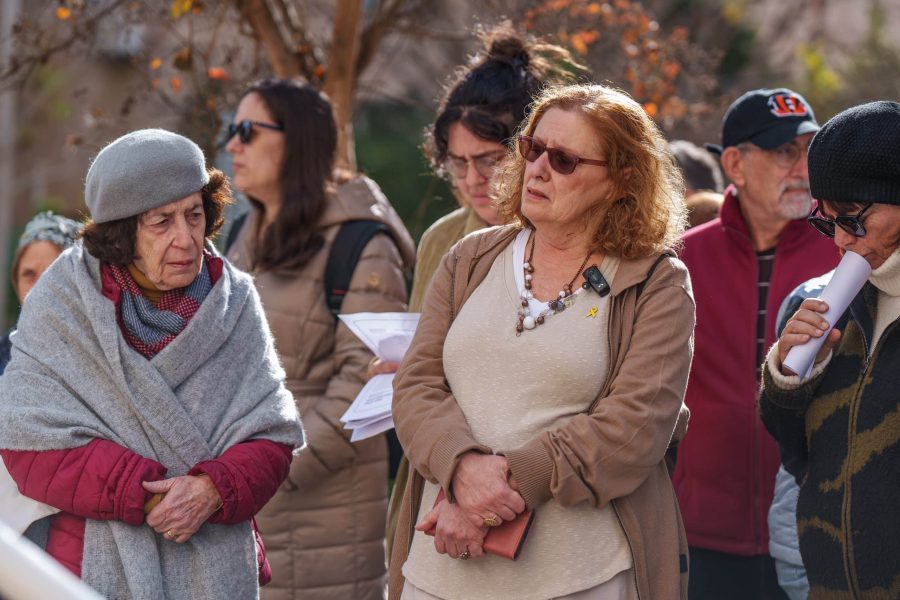
Together, we will stand alongside survivors of sexual violence and address our responsibility to prevent sexual violence and promote safety in our communities and families, for the community and for each individual.
This year too, as the Torah reading cycle brings us to Parashat Vayishlach and the story of Dinah’s rape, we will make space and give voice to Dinah and to the sexual violence she endured, and draw on her story to address sexual violence broadly, recognizing its relevance to people of all genders and ages.
As in previous years, activities and events to promote safety and prevent sexual violence will be held by a variety of communities and organizations.
During the Week of Dinah, we will gather, discuss, learn, and delve into the story of Dinah’s rape, in order to engage with her story and with the testimonies within our communities, and to recognize the ongoing need to act with a sense of shared responsibility
What is Shabbat DInah?
Shabbat DInah takes place on Shabbat Parashat Vayishlach, when the story of Dinah’s rape is read in the weekly Torah portion. Jewish communities from across the denominational spectrum are invited to dedicate a sermon, Dvar Torah, or learning session to the questions raised by DInah’s story: How do we listen to testimonies of sexual violence? How can we respond responsibly? And how can we build shared spaces in organizations, communities, and educational settings that protect and support all their members?
The biblical story of Dinah’s rape describes in just a few words a devastating act of sexual violence, without giving the victim a voice at any point in the story. It also raises questions about family responses, moral questions about revenge, and questions about how to recognize and support the victim’s suffering, as well as what we can learn from all of this for our own time.
In this way, the annual reading of Parashat Vayishlach becomes an opportunity to speak about sexual violence, work toward greater safety, and renew and express our commitment to survivors of sexual violence.
How Did Shabbat Dinah Come to Be?
The initiative to dedicate Shabbat Parashat Vayishlach to raising awareness of sexual violence and strengthening safety was founded in 2012 by the group of Reform women rabbis known as B’not Dinah.
In November 2023, as part of the Brit Emunim initiative, Shabbat Dinah expanded into a multi-denominational initiative and a week of activities taking place during the week and on Shabbat itself. Today, Shabbat Dinah is part of the Week of Dinah, which brings together communities and organizations in Israel and the Diaspora around learning, prayer, creative expression, and training.
Over the years, the Week of Dinah and Shabbat Dinah have brought together those who seek to engage responsibly with the themes raised by Parashat Vayishlach, to give presence to the thirteenth tribe, which has never been counted, and to make space for Dinah and her trauma within the shared story of all the tribes of Israel.
Why Is This a Topic for the shul?
There is a constant need to stand alongside survivors; a constant need to give voice, space, and trust to those who have survived harassment, assault, and sexual exploitation; and a constant need to remember that sexual violence does not exist on the margins. It touches our lives as individuals, families, and communities, as well as other circles around us.
The synagogue is a place where communal prayer, Torah reading, and individual and communal life meet. Discussing a topic from the bimah gives that subject public weight. In the case of Shabbat Dinah, addressing the story of Dinah’s rape makes clear that sexual violence is not only a private matter. It calls on the community to look directly at our written tradition and at the sexual violence that is part of our present reality.
Choosing not to simply move on after reading the verses about Dinah’s rape, but instead to give the subject space and a voice, serves several important purposes:
Speaking Up Speaking openly about a reality that is often silenced and hidden.
Showing Our Commitment Telling survivors, “We stand with you and recognize your suffering.”
Taking Responsibility Giving individuals and communities the knowledge and tools to establish effective practices in this area
Shabbat Vayishlach offers an opportunity, though certainly not an easy one, to hold a communal and public conversation about sexual violence as part of the history of humanity as a whole, and as part of a broad Beit Midrash committed to looking directly at Dinah and at other figures from the Tanach and Jewish cultural heritage. At the same time, we have a responsibility not to look away from sexual violence in our own time or to silence it, but instead to choose recognition and support.
What Can We Speak and Teach About on Shabbat Dinah?
Each community is welcome to choose the language, sources, and depth of discussion that feel right for them in teaching and learning Dinah’s story.
The biblical story can be approached from different angles. Some possibilities include:
Dinah’s missing voice and the silence surrounding her
The family’s response, both in this parasha and in Jacob’s blessing of his sons
Traditional interpretations of the story of Dinah’s rape and the challenges they pose for us
Comparisons with other accounts of sexual violence in Tanach
The biblical story can be approached from different angles
Dinah’s missing voice and the silence surrounding her
The family’s response, both in this parasha and in Jacob’s blessing of his sons
Traditional interpretations of the story of Dinah’s rape and the challenges they pose for us
Comparisons with other accounts of sexual violence in Tanach
What contemporary perspectives might emerge from discussing the story of Dinah’s rape?
The importance of listening to survivors’ testimonies and standing alongside them
The responsibility of families, leaders, and communities
The importance of setting boundaries, recognizing power dynamics, and creating safe spaces
The concept of teshuvah, the possibility of repair, and broader questions about change
It is worth thinking ahead about how best to speak about sexual violence, boundaries, and safety when addressing a multigenerational congregation gathered for prayer, while also keeping in mind the responsibility the parasha places on us not to remain silent.
Can Divrei Torah on Shabbat Parashat Vayishlach Really Make a Difference in Addressing Sexual Violence?
One Dvar Torah, or even dozens of Divrei Torah delivered at the same time, will not bring about change on their own. Even a thoughtful, well-crafted sermon, delivered to a receptive audience, cannot replace safety policies, staff training, a clear point of contact for complaints, or professional support.
At the same time, we should not underestimate the real power of words spoken from the bimah. They can challenge silence, give the community language for talking about sexual violence, express trust in survivors, and make clear that the responsibility for prevention and response does not rest on survivors alone. When Divrei Torah are given alongside other activities and events during the Week of Dinah, they can help lay the groundwork for new processes or support processes that are already underway.
Shabbat Dinah is an opportunity to listen, learn, commit, and build a safer community in which everyone deserves dignity and active protection. Taking collective responsibility for addressing sexual violence lays the foundation for broader change, both in the near and more distant future.
From Words to Action
Shabbat Dinah can encourage practical change and help communities:
h a clear point of contact for concerns and reports
Train leaders, staff, and volunteers
Continue learning and talking throughout the year
Rabbis, Rabbaniyot, organizational and spiritual leaders from across the denominational spectrum, as well as members of Jewish communities of all kinds, are all invited to give a sermon, Dvar Torah, or learning session on Shabbat Vayishlach, and to add their voices to a broad call for safety and shared responsibility.
Examples of Divrei Torah for Shabbat Vayishlach from Previous Years
Here you can find examples of Divrei Torah for Shabbat Vayishlach from previous years. You are welcome to read them for inspiration, develop new Divrei Torah, or quote rabbis, teachers, and others who have spoken on this theme in previous years. We will also be glad to receive new Divrei Torah that you write.
Available in Hebrew, English, or both, as indicated by the buttons below.
Standing with Dinah: This Year and Every Year Rabbanit Sarah Segal-Katz
As part of the Week of Dinah initiative, we have created a digital resource center where we direct readers to writing on the subject that can help those who wish to learn and teach, give Divrei Torah and sermons, and create and lead rituals.
This year too, we invite you to send us essays, poems, and prayers that speak directly to Dinah, sexual violence, and treatment and prevention. gluya@gluya.org
The Shevet Dinah Collective initiative is undertaken with the recognition that this subject can be an ongoing trigger. The content deals with sexual violence and may evoke emotional and physical responses. Please listen to your heart and body when engaging with this topic, and participate in a way and at a pace that feels right for you.
Ways to Participate in The Week of Dinah
Sign up · Organize · Teach · Learn · Create · Attend · Donate
Throughout the week, there will be classes and lectures, workshops, a day of learning, and a community gathering. On Shabbat, sermons and Divrei Torah on the theme will be delivered in synagogues across different communities, alongside the weekly Torah reading, Parashat Vayishlach.
The Shevet Dinah Coalition seeks to restore Dinah to our shared story, together with the story of sexual violence, silence, and the silencing of sexual violence. Our hope is to raise awareness and to build a collective culture with greater responsibility, less silencing, a greater ability to recognize and respond to sexual violence, and more support and professional referrals for survivors.
We have come together and will continue to draw strength from the support that has taken shape, and continues to take shape, through the very choice to speak out, to echo our commitment, and to act with responsibility.
Our goal is to stand in solidarity with survivors of sexual assault, support them, amplify their voices, and resist silencing. Speaking with moral clarity and affirming our commitment to survivors help foster sexual safety and prevent further harm. By speaking out, we commit ourselves, now and in the future, to responding when harm occurs and refusing to enable silencing.
Together, as diverse organizations and communities representing the breadth of Jewish life in Israel and throughout the Diaspora, we will stand with survivors of sexual assault and foster a culture of safety and prevention.
Together, we will stand in solidarity, affirm our belief in survivors, respond with care and compassion, and call for repair and healing.
אנחנו משתמשים בעוגיות כדי לשפר את חוויית השימוש באתר שלנו. השימוש באתר מהווה הסכמה לשימוש בעוגיות כמתואר במדיניות הפרטיות של האתר.
האתר הזה משתמש בעוגיות.
אתרים שומרים עוגיות כדי לשפר את הפונקציונליות ולהתאים אישית את החוויה. ניתן לנהל את ההעדפות, אך חסימת חלק מהעוגיות עשויה להשפיע על ביצועי האתר ועל השירותים.
עוגיות חיוניות מאפשרות פונקציות בסיסיות והן נחוצות לפעולה התקינה של האתר.
שם
תיאור
תוקף
Geolocation Config
This cookie is used to store the consent settings based on the visitor's location.
30 days
Cookie Preferences
This cookie is used to store the user's cookie consent preferences.
30 days
These cookies are needed for adding comments on this website.
שם
תיאור
תוקף
comment_author
Used to track the user across multiple sessions.
Session
comment_author_email
Used to track the user across multiple sessions.
Session
comment_author_url
Used to track the user across multiple sessions.
Session
עוגיות סטטיסטיות אוספות מידע באופן אנונימי. מידע זה עוזר לנו להבין כיצד מבקרים משתמשים באתר שלנו.
Facebook Pixel is a web analytics service that tracks and reports website traffic.
Contains information related to marketing campaigns of the user. These are shared with Google AdWords / Google Ads when the Google Ads and Google Analytics accounts are linked together.
90 days
__utma
ID used to identify users and sessions
2 years after last activity
__utmt
Used to monitor number of Google Analytics server requests
10 minutes
__utmb
Used to distinguish new sessions and visits. This cookie is set when the GA.js javascript library is loaded and there is no existing __utmb cookie. The cookie is updated every time data is sent to the Google Analytics server.
30 minutes after last activity
__utmc
Used only with old Urchin versions of Google Analytics and not with GA.js. Was used to distinguish between new sessions and visits at the end of a session.
End of session (browser)
__utmz
Contains information about the traffic source or campaign that directed user to the website. The cookie is set when the GA.js javascript is loaded and updated when data is sent to the Google Anaytics server
6 months after last activity
__utmv
Contains custom information set by the web developer via the _setCustomVar method in Google Analytics. This cookie is updated every time new data is sent to the Google Analytics server.
2 years after last activity
__utmx
Used to determine whether a user is included in an A / B or Multivariate test.
18 months
_ga
ID used to identify users
2 years
_gali
Used by Google Analytics to determine which links on a page are being clicked
30 seconds
_ga_
ID used to identify users
2 years
_gid
ID used to identify users for 24 hours after last activity
24 hours
_gat
Used to monitor number of Google Analytics server requests when using Google Tag Manager
1 minute
עוגיות שיווק משמשות למעקב אחר מבקרים באתרים. הכוונה היא להציג פרסומות הרלוונטיות ומעניינות עבור המשתמש הבודד.
Mailchimp is an all-in-one marketing platform for email campaigns, automation, and audience management.