
Support The Week of Dinah
Each year, the Week of Dinah brings the issue of sexual violence into public and communal conversation, promotes safety, and builds a sense of shared responsibility in communities in Israel and around the world during the week of Shabbat Parashat Vayishlach.
The Shevet Dinah Coalition seeks to restore Dinah to our shared story, together with the story of sexual violence, silence, and the silencing of sexual violence. Our hope is to raise awareness and to build a collective culture with greater responsibility, less silencing, a greater ability to recognize and respond to sexual violence, and more support and professional referrals for survivors.
We have come together and will continue to draw strength from the support that has taken shape, and continues to take shape, through the very choice to speak out, to echo our commitment, and to act with responsibility.
The Week of Dinah is an annual initiative centered on Parashat Vayishlach and the biblical account of Dinah’s rape. Each year, the initiative dedicates this period to learning, dialogue, and action aimed at preventing sexual harm and strengthening sexual safety across the many spheres of our lives.
Throughout the week, communities in Israel and the Diaspora hold classes, sermons, professional training sessions, cultural events, prayer gatherings, and community activities, while making expert knowledge and practical tools more widely accessible.
What Is The Week of Dinah
The Week of Dinah is a collaborative initiative bringing together organizations and communities in Israel and the Diaspora. This partnership is rooted in a shared commitment to standing with survivors of sexual assault and strengthening shared responsibility for sexual safety in family and community life.
The coordinating team develops and makes resources accessible, builds relationships with partners, coordinates activities, and supports initiatives in preparation for and throughout The Week of Dinah. This work is carried out through ongoing dialogue with communities and organizations, listening to their needs and drawing on the knowledge and experience they bring, with the aim of connecting learning, creativity, and action.
Week of Dinah Management and Production 2026
Why Support Us?
Your support allows us to expand our work, connect communities and organizations, make resources accessible to the public, and build an annual tradition of learning, conversation, and action around Shabbat Parashat Vayishlach, based on shared values of preventing sexual violence and creating safer communities.
Support for Partners and Collaborators
Community Ceremonies and Gatherings
Learning Events and Study Sessions
Programs in Israel and Around the World
Programs Across Jewish Denominations
Dozens of Resources Accessible to the Public
Your support strengthens The Week of Dinah.
Choose the way to get involved that’s right for you.
The Week of Dinah is jointly managed by Gluya and Rashut HaRabim.
You can support the initiative directly through Gluya, or donate through Rashut HaRabim and receive a receipt eligible for a tax benefit under Section 46.
Donation Through Rashut HaRabim
You can donate to the Week of Dinah through Rashut HaRabim, which partners with Gluya in managing the initiative.
Online donation or bank transfer to Rashut HaRabim
Please note “The Week of Dinah” in the comments
The receipt will be issued by Rashut HaRabim
The receipt can be used to claim the Section 46 tax benefit.
Direct Support Through Gluya
This option is for those who wish to support Gluya’s work as part of The Week of Dinah directly.
Secure payment by credit card or bank transfer
Funds are used to support the Week of Dinah’s activities
Gluya will issue a tax invoice and receipt after payment
Gluya operates as a social enterprise and a registered business. This payment is therefore not a donation to a nonprofit organization and does not qualify for a tax benefit under Section 46.
We will direct 10% of all funds raised for The Week of Dinah to The Association of Rape Crisis Centers in Israel.
This contribution will help sustain individual support for survivors of sexual violence,
alongside our shared commitment to personal and public responsibility.
- Producing and coordinating the Week of Dinah events
- Building relationships with and supporting partner communities, organizations, and initiatives
- Editing, adapting, and distributing resources to the public
- Developing the infrastructure that allows the Week of Dinah to grow each year
Where Does Your Support Go?
The Week of Dinah’s activities and budget are managed through the partnership between Gluya and Rashut HaRabim.
On the donation page, select The Week of Dinah or write “The Week of Dinah” in the comments field.
For a bank transfer, we recommend sending Rashut HaRabim confirmation of the transfer along with the donor’s details.
In either case, please contact Gluya and/or Rashut HaRabim after making the payment or donation. We will confirm receipt once we see the transaction on our end.
How Can You Make Sure Your Donation Through Rashut HaRabim Is Received?
Yes. You can donate to Rashut HaRabim from outside Israel. We recommend getting in touch before making a transfer so we can help you choose the appropriate option based on your country of residence and the documentation you need for tax purposes.
Can I Support the Week of Dinah From Outside Israel?
Need Help Choosing How to Support?
Please get in touch with us. We’ll be happy to assist you before you make a payment or donation.
The Week of Dinah Activities
Local Gathering
Learning, Prayer, and Support
Synagogue
Shabbat D’var Torah or Sermon
Organization or Community
Class, Lecture, Gathering, or Workshop
Partnership and Support
Promotion, Digital Outreach, and Financial Support for the Initiative
Individual Participation
Sign Up for Updates and Join Events During The Week of Dinah
Content Creation
Article, D’var Torah, Midrash, Poem, or Prayer
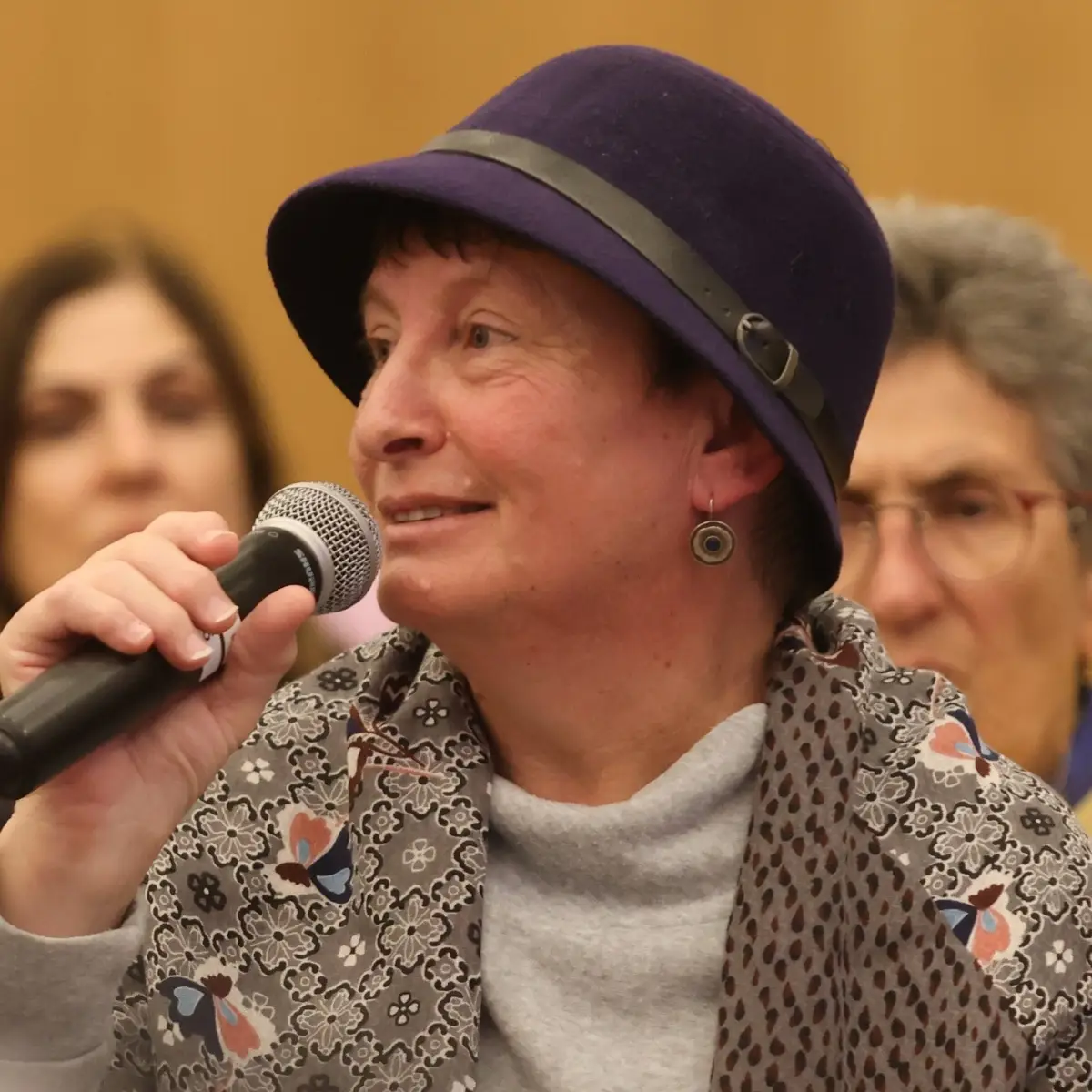
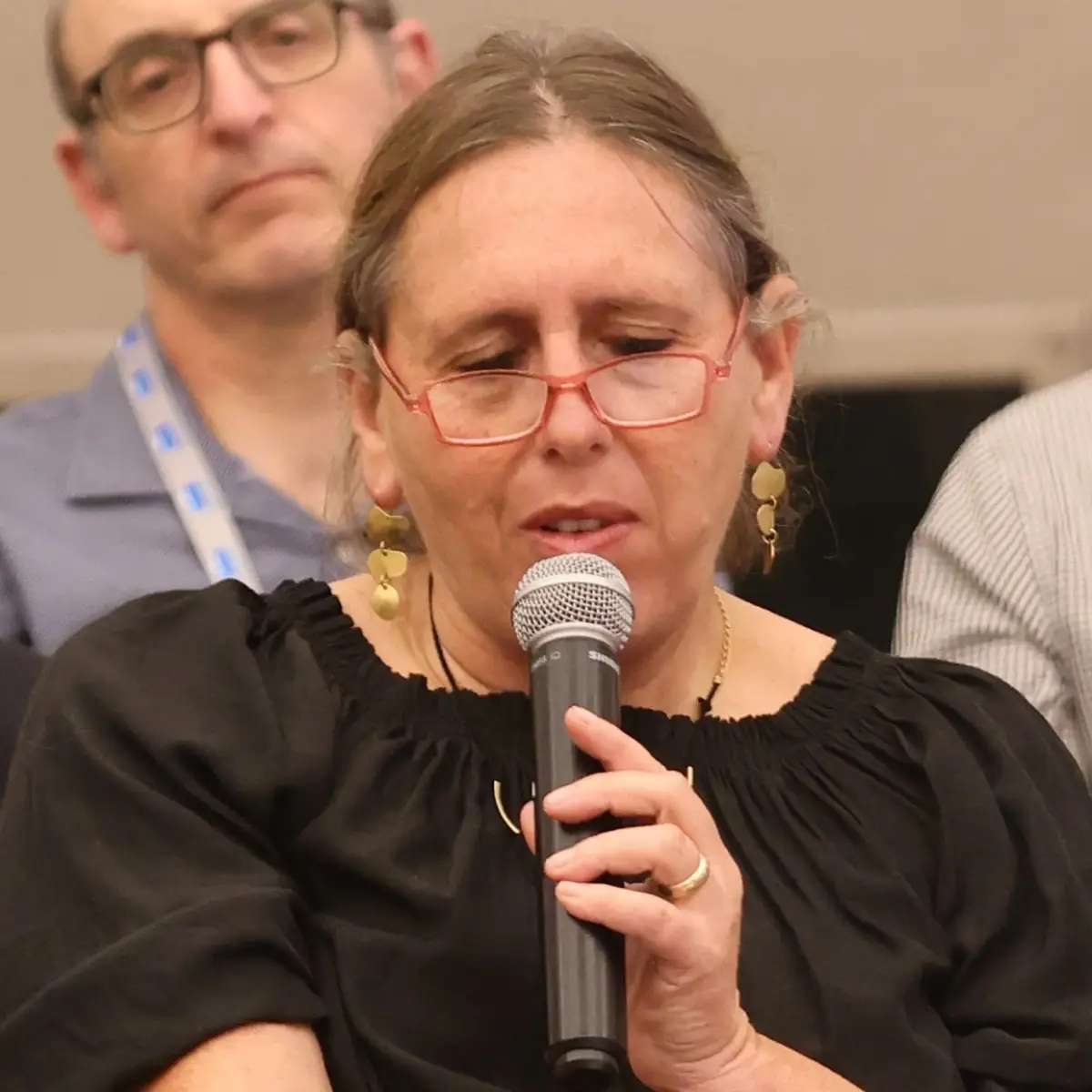
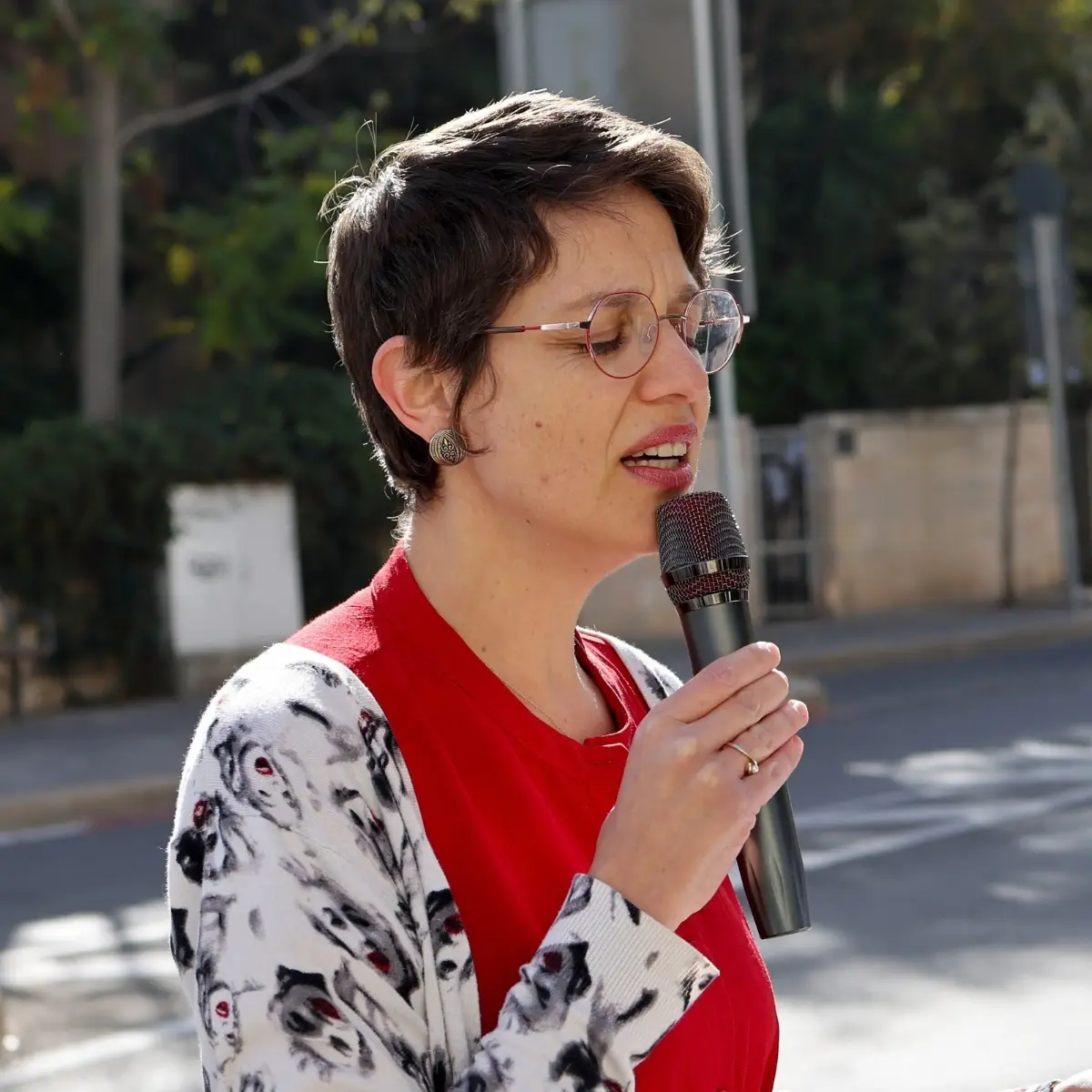
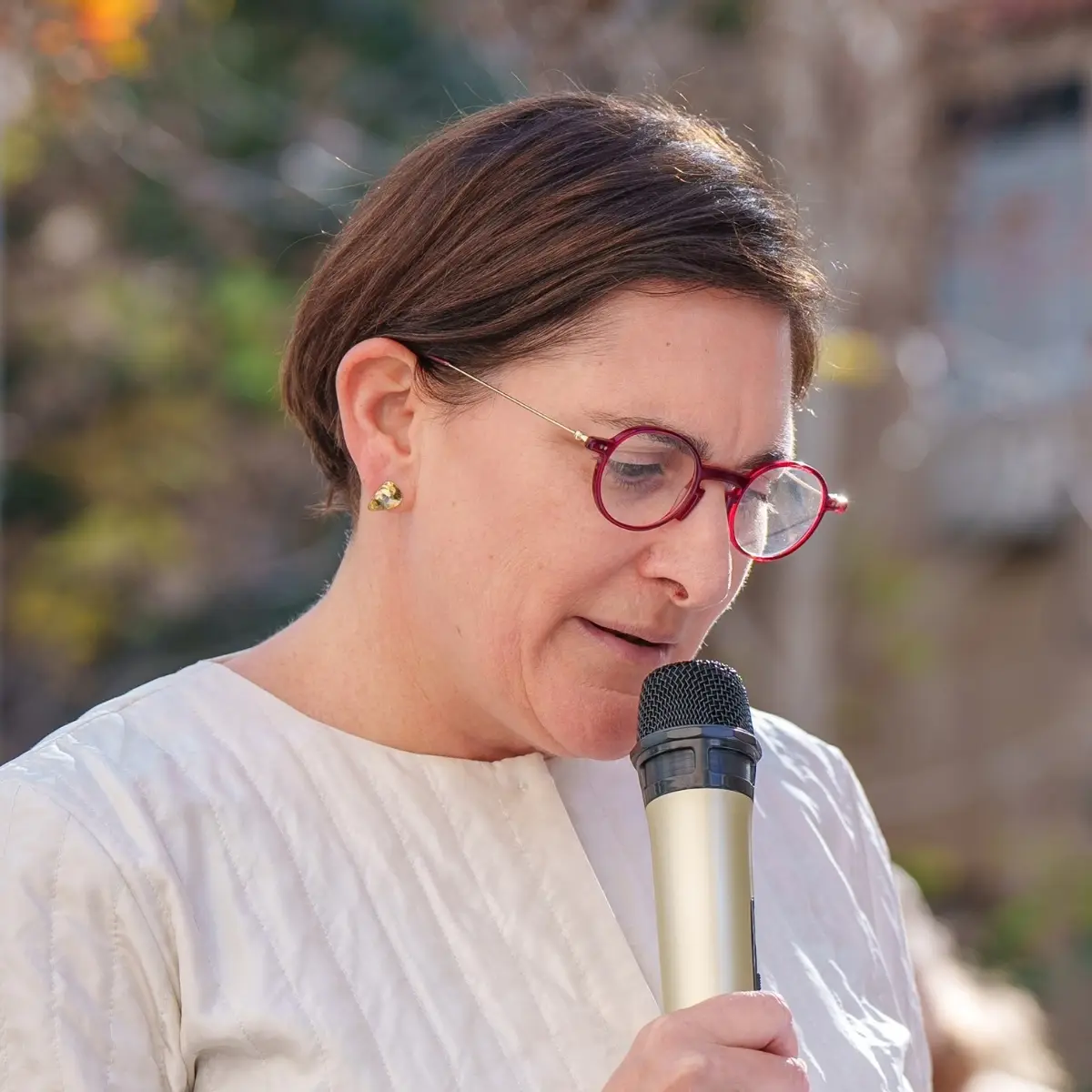
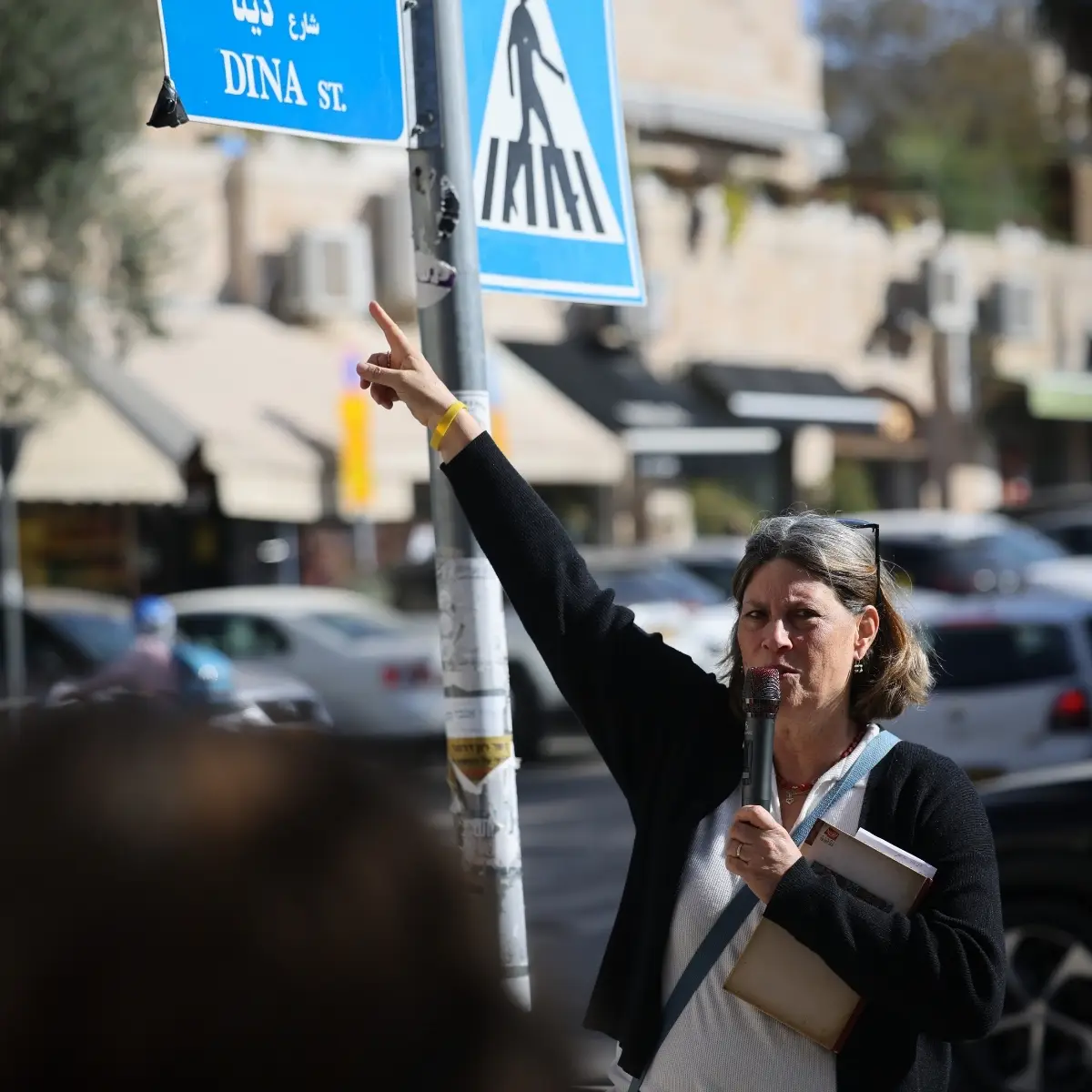
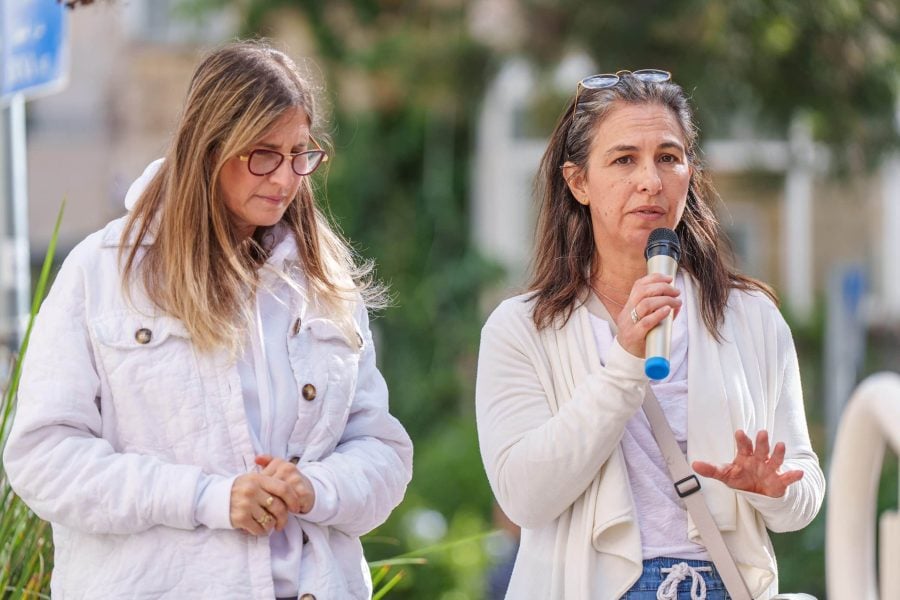
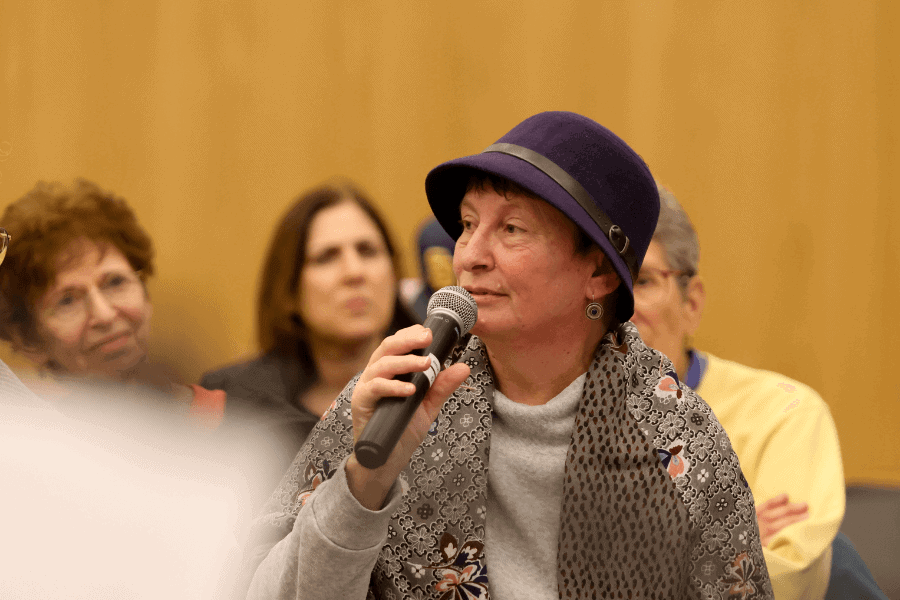
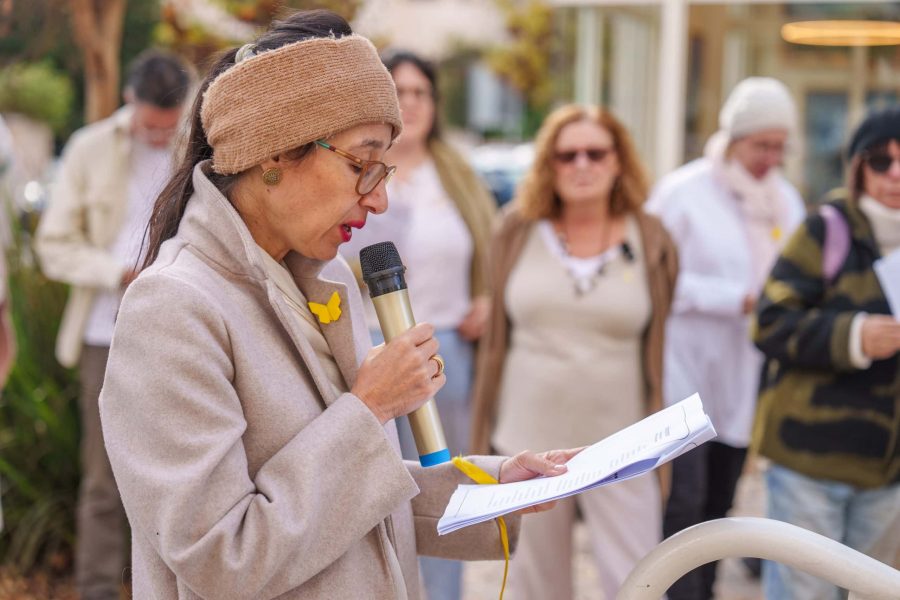
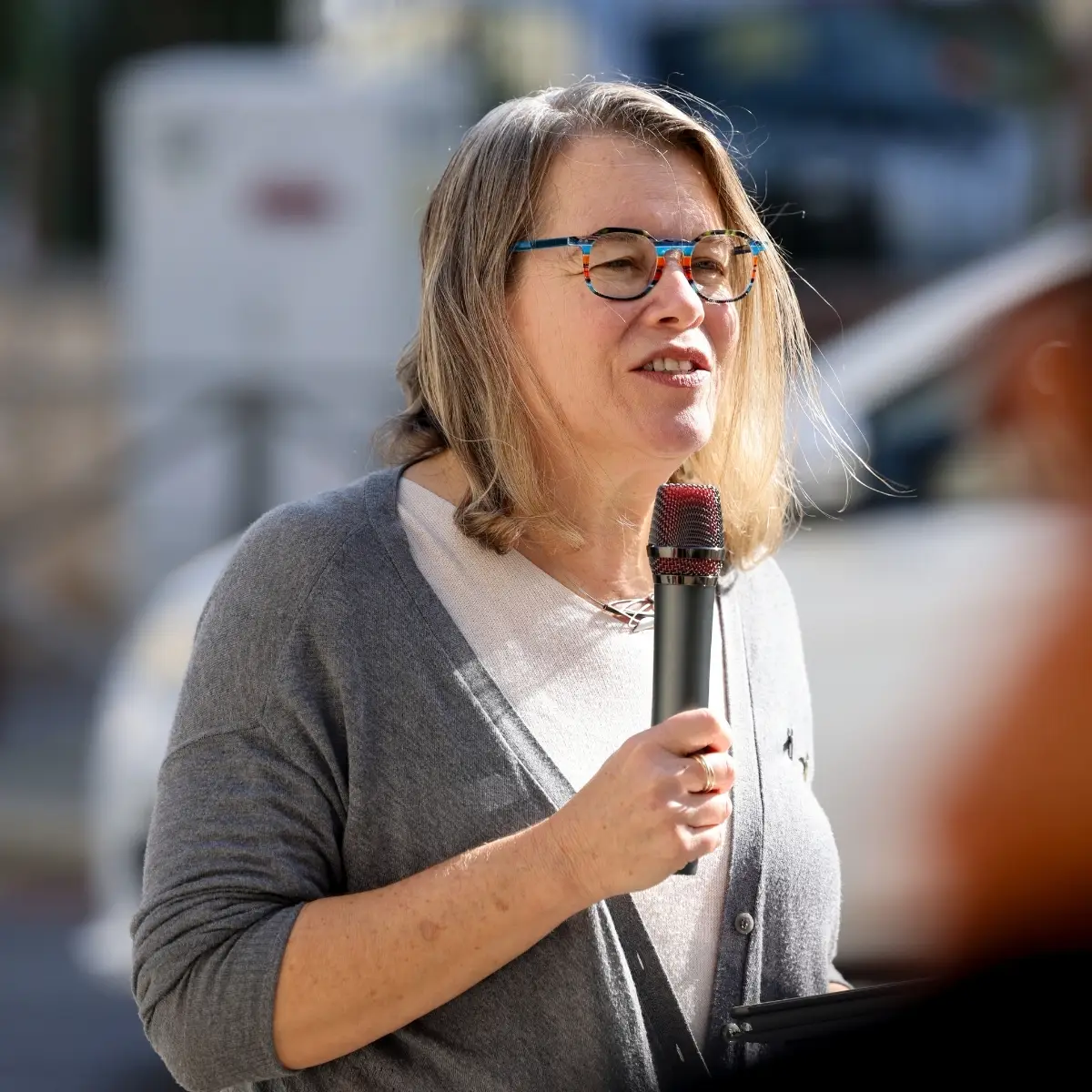
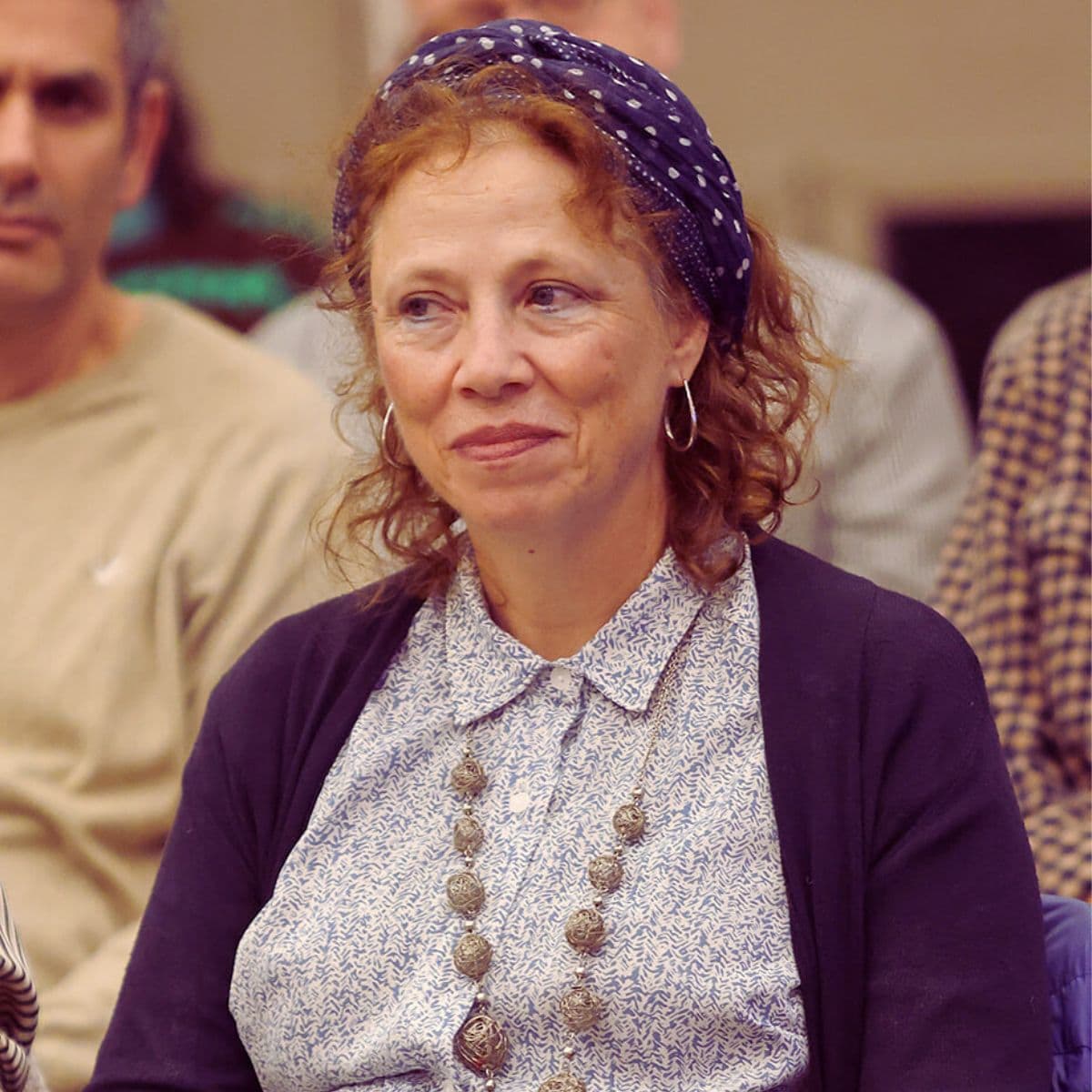
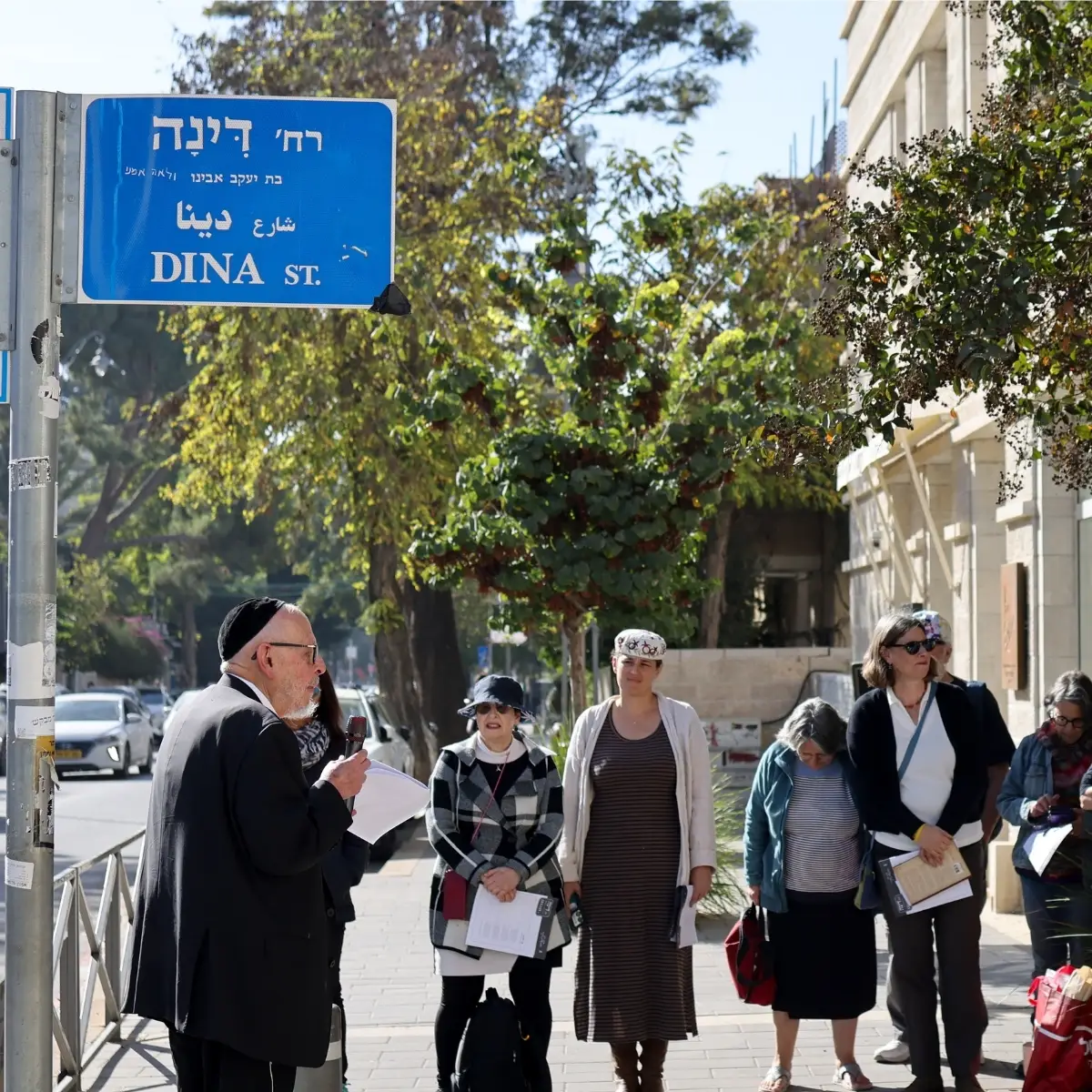
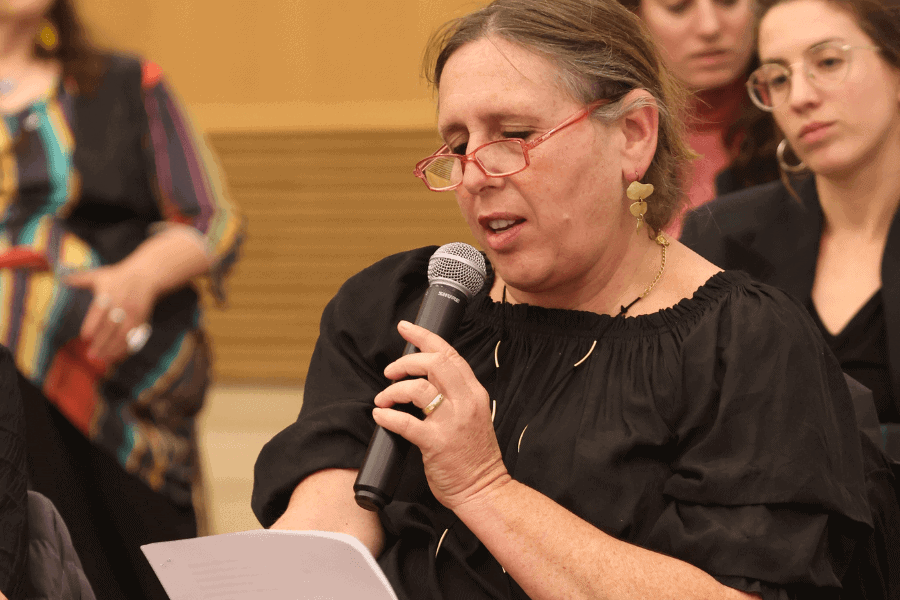
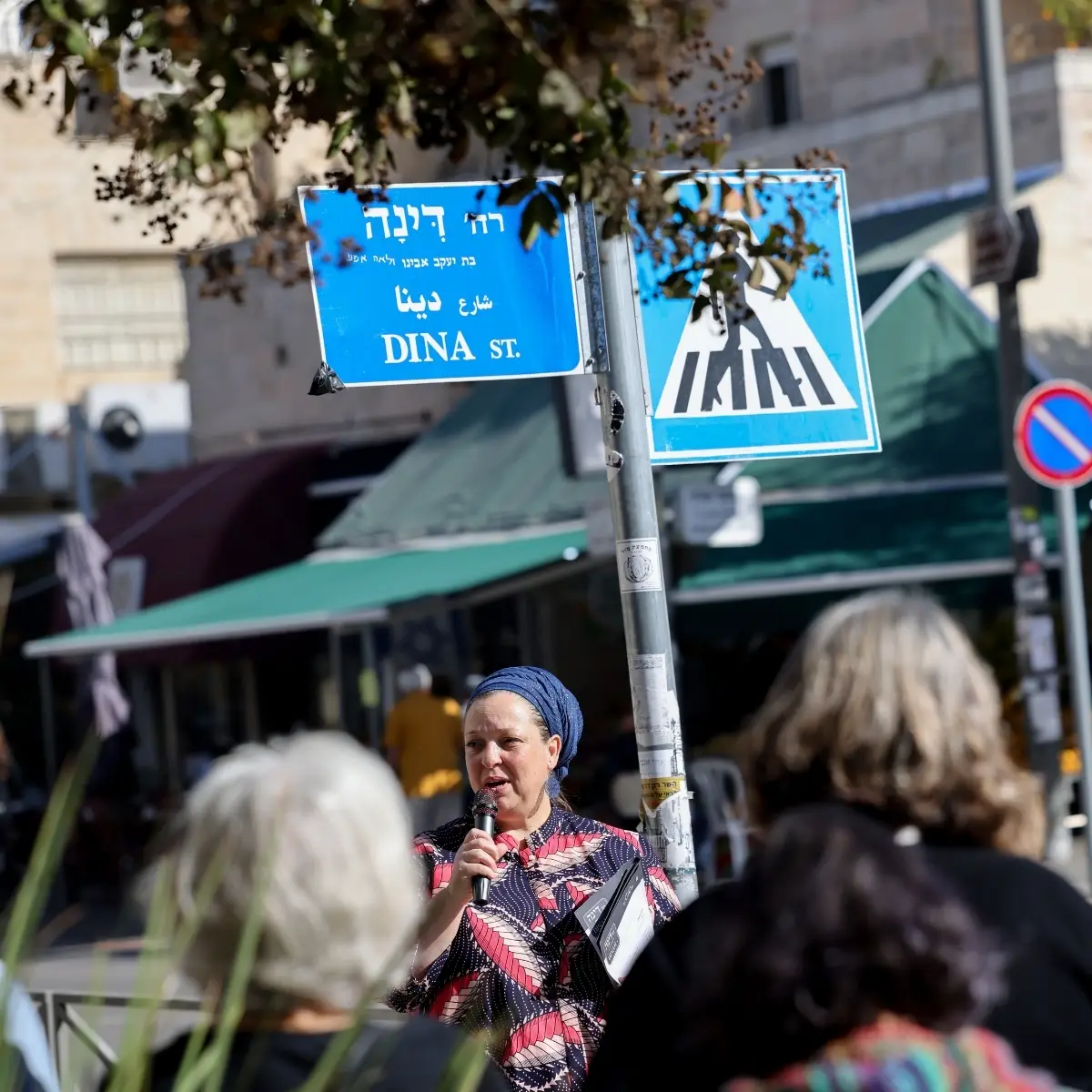
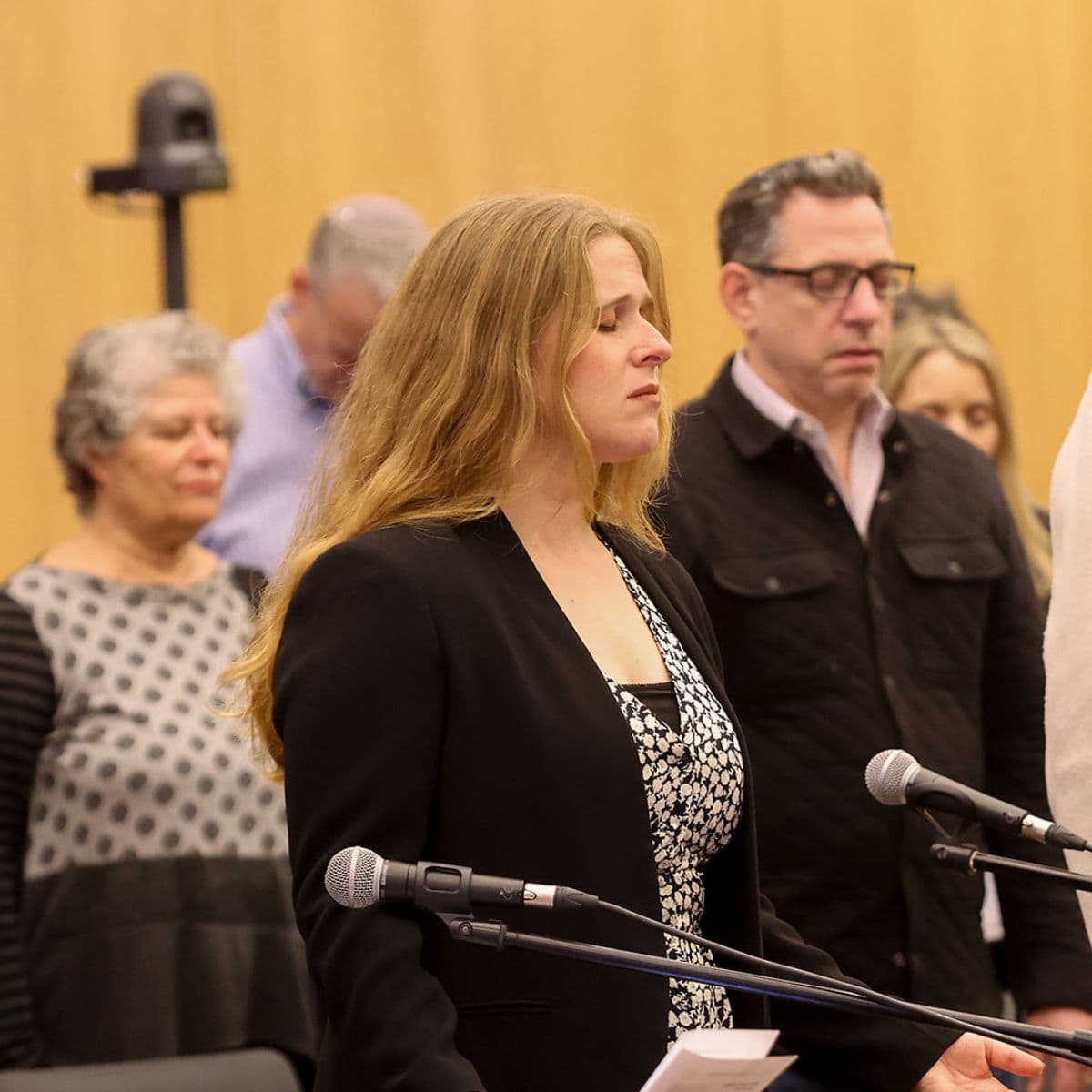
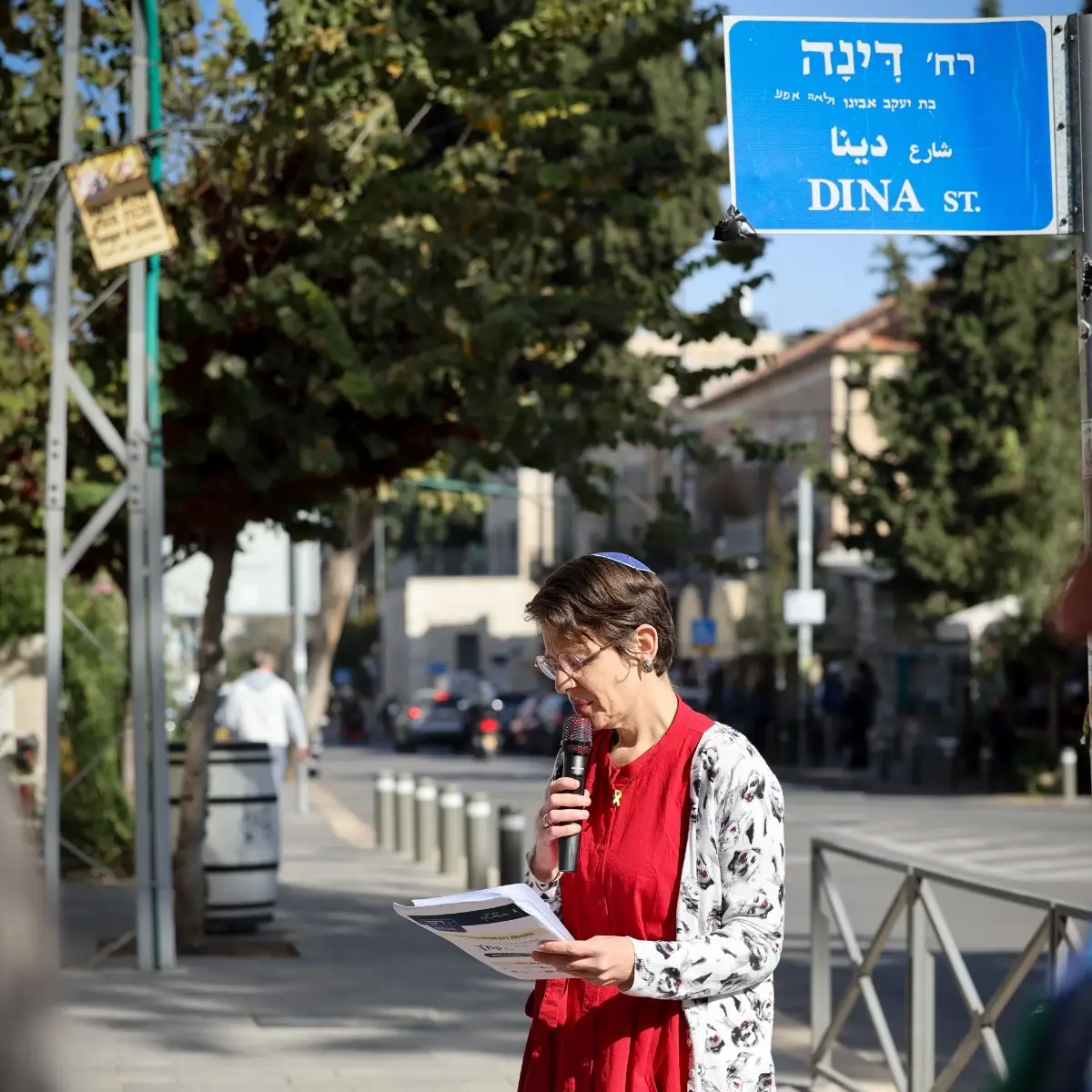
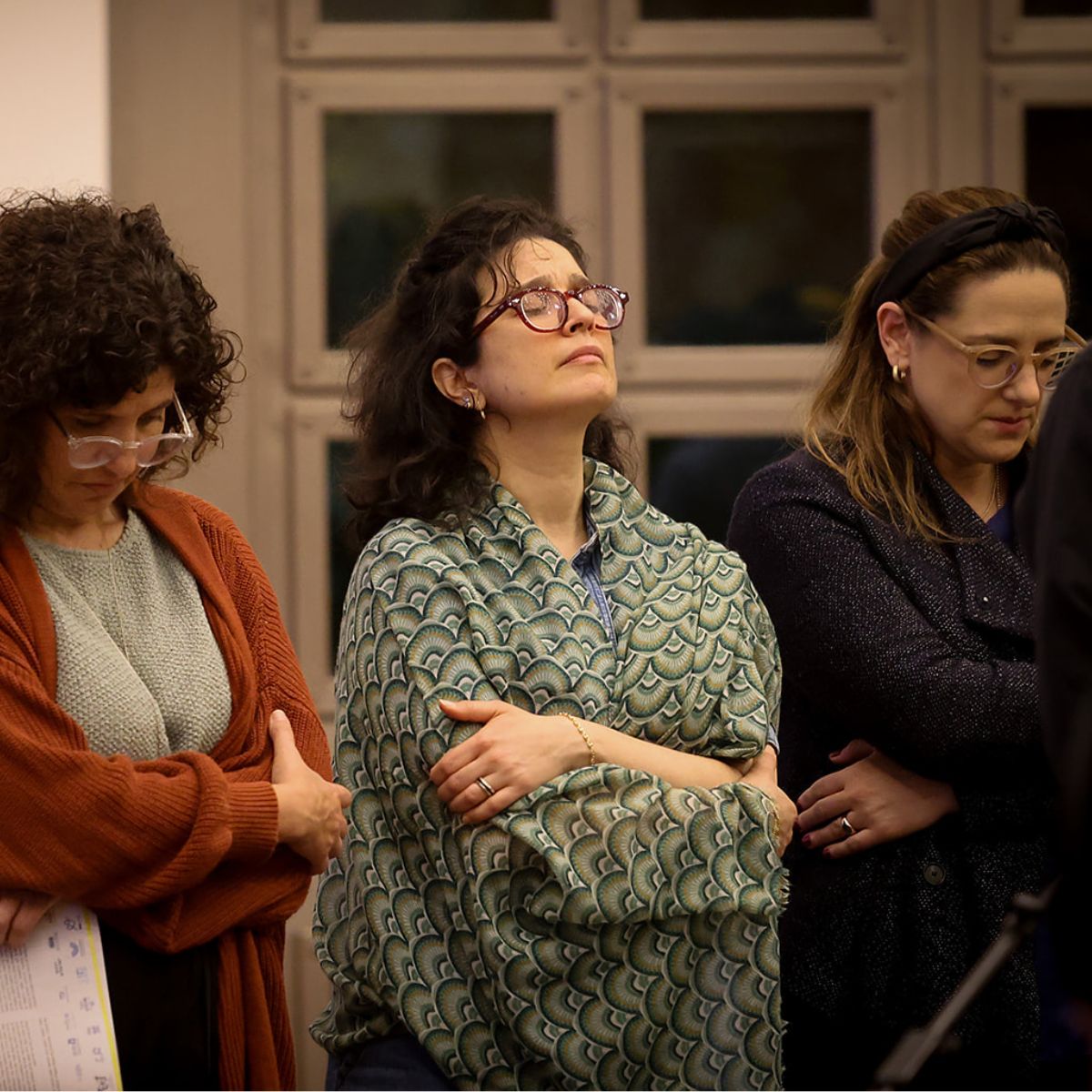
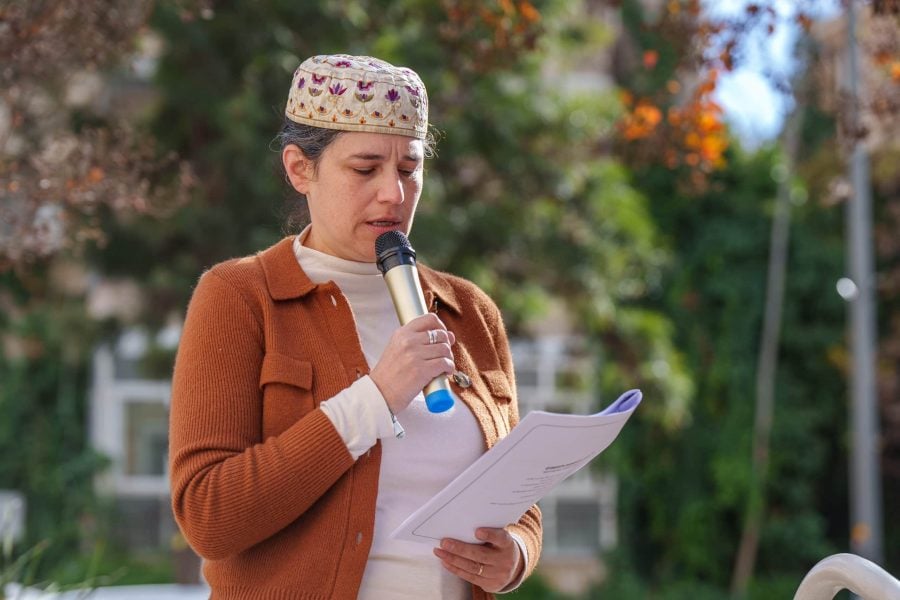
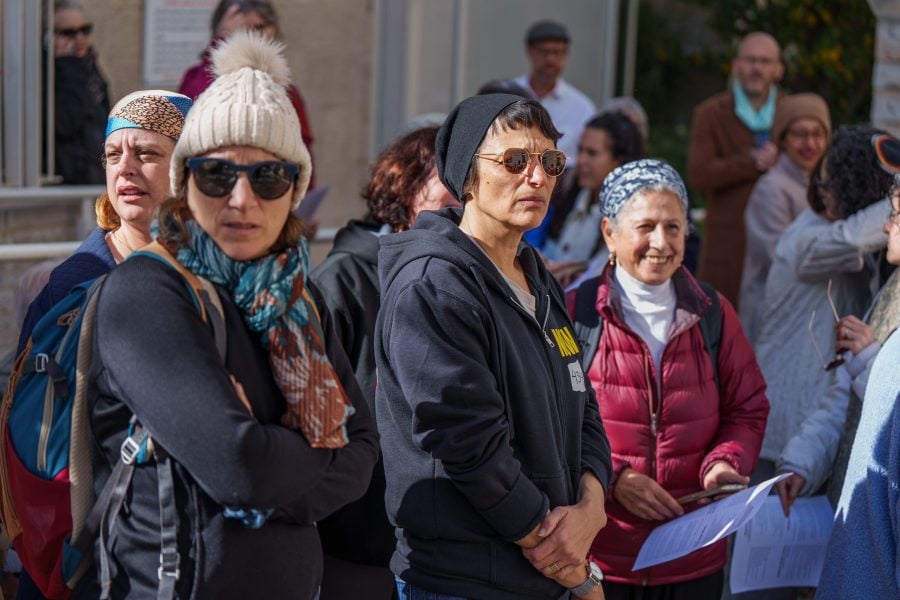
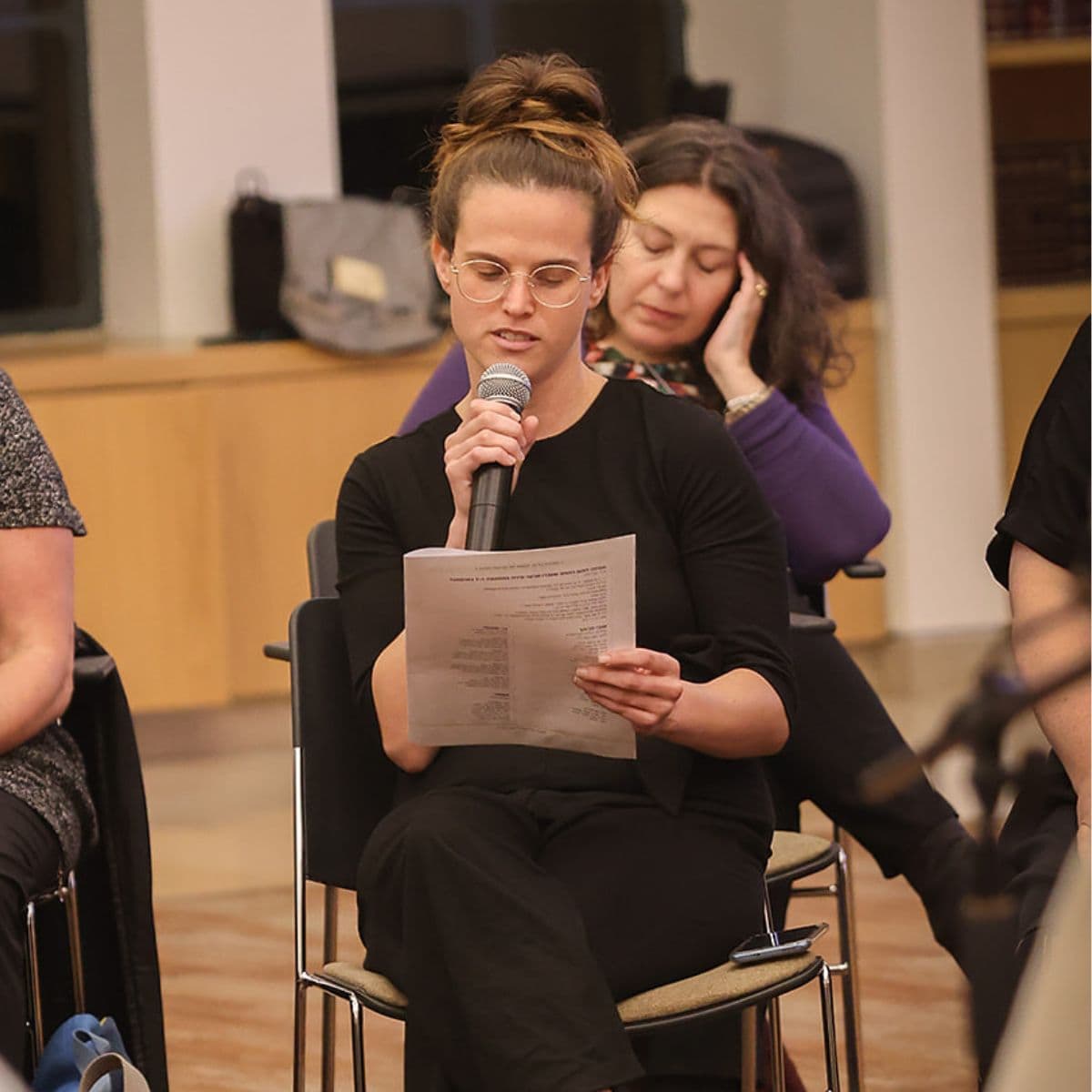
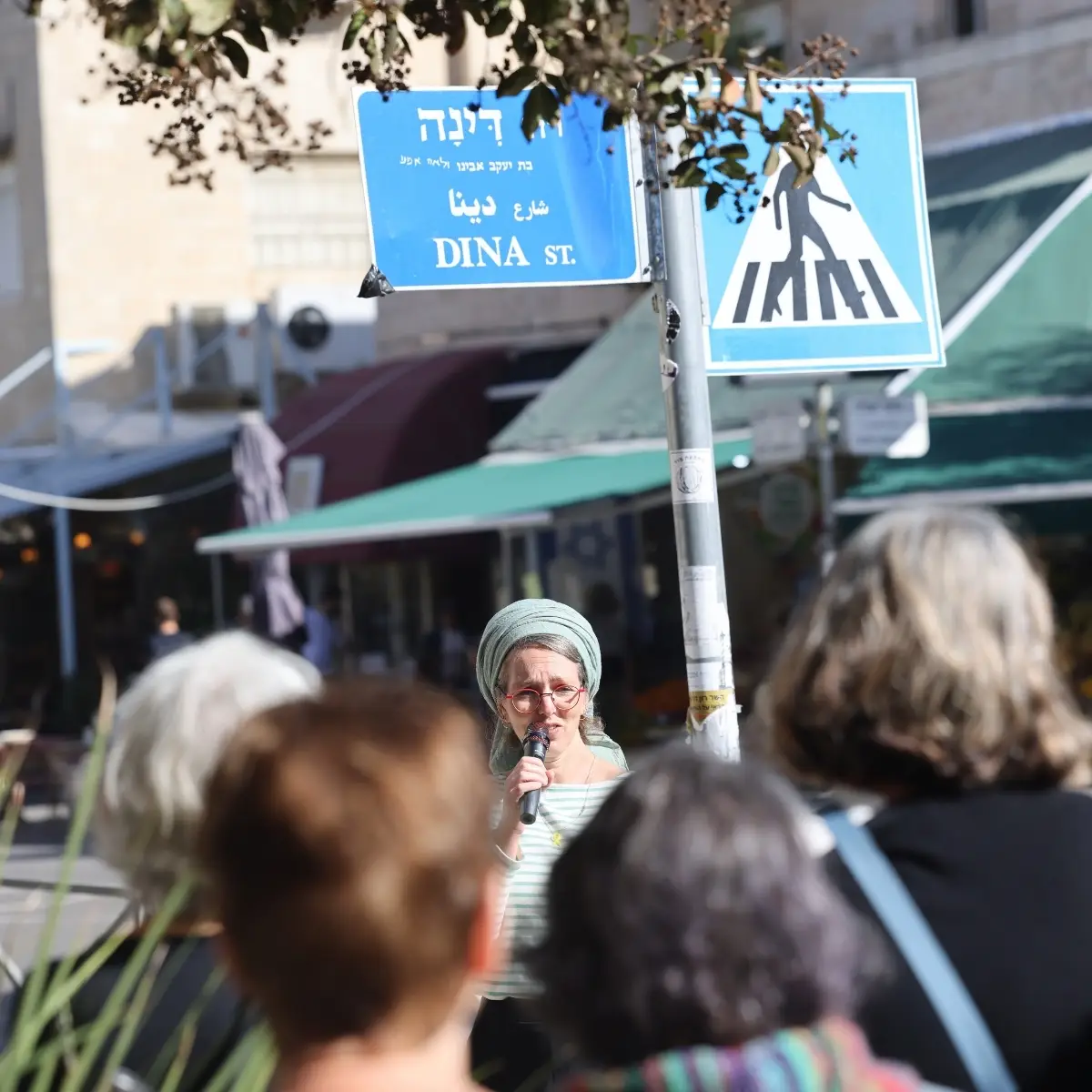
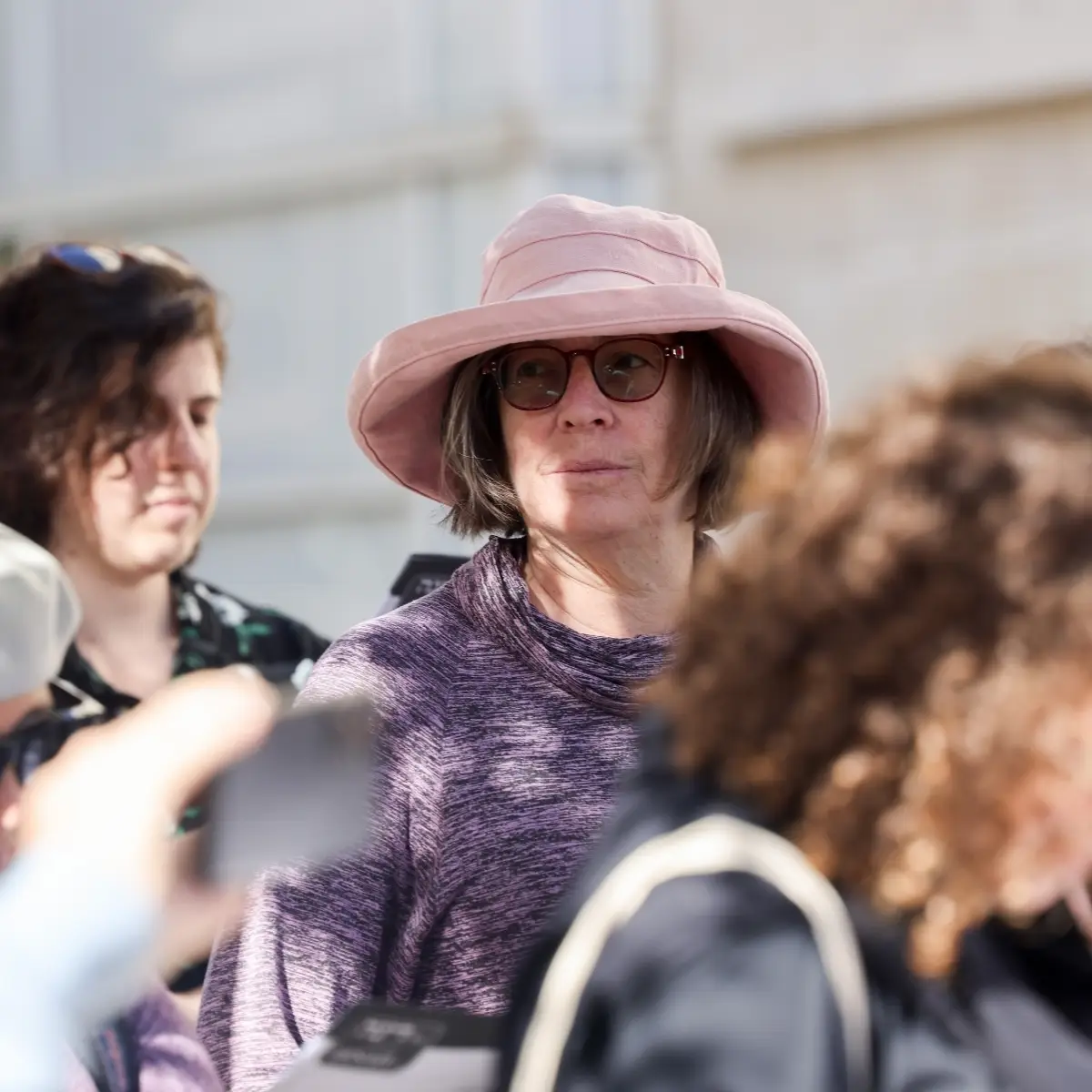
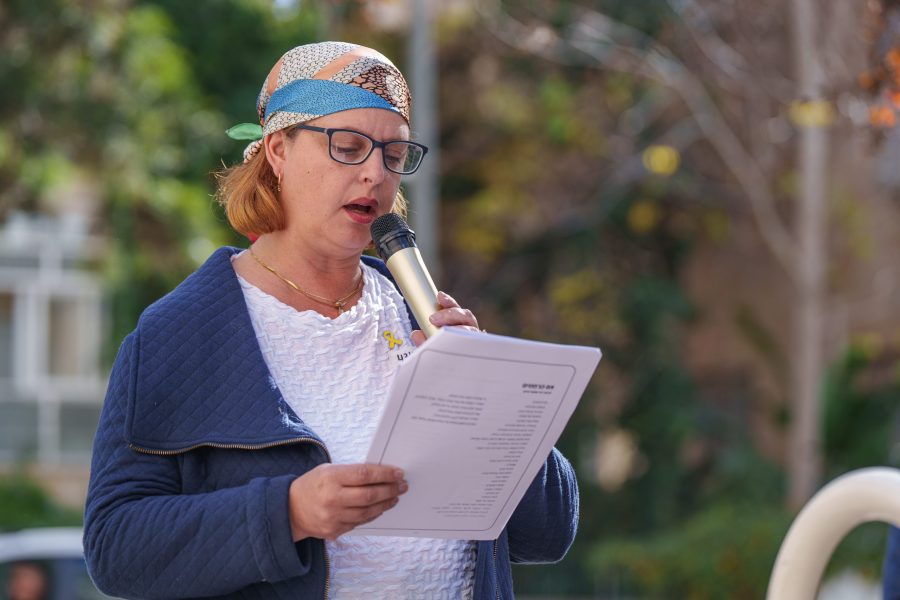
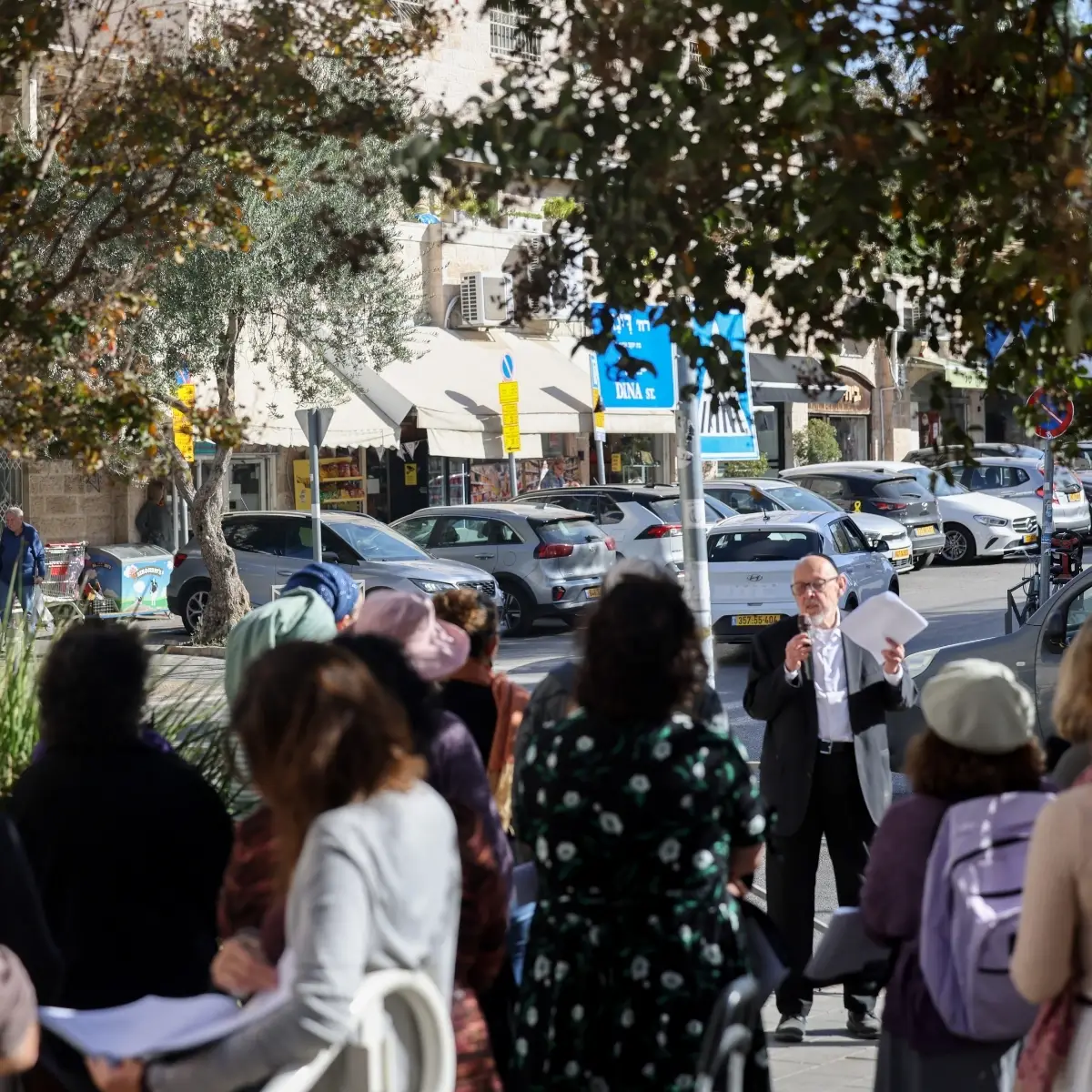
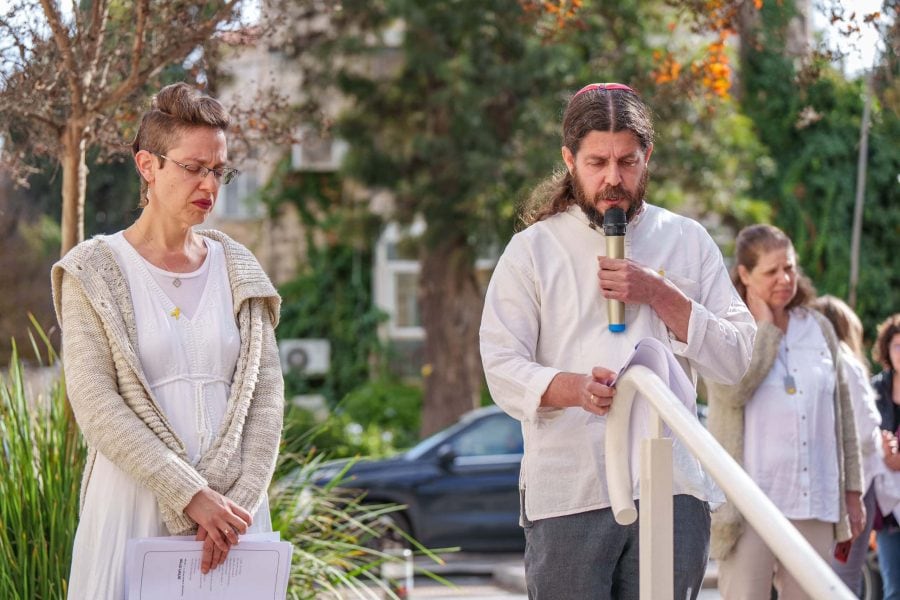
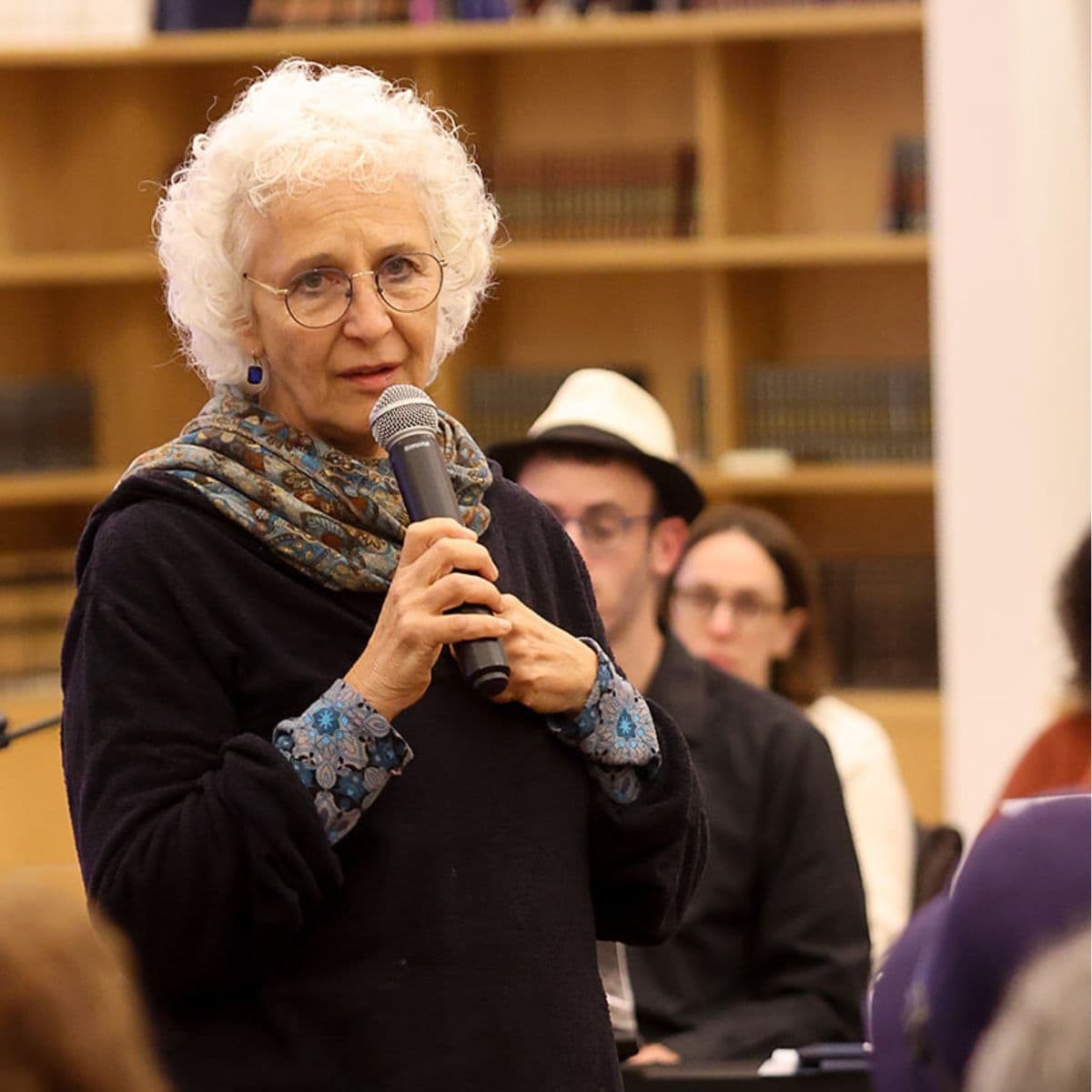
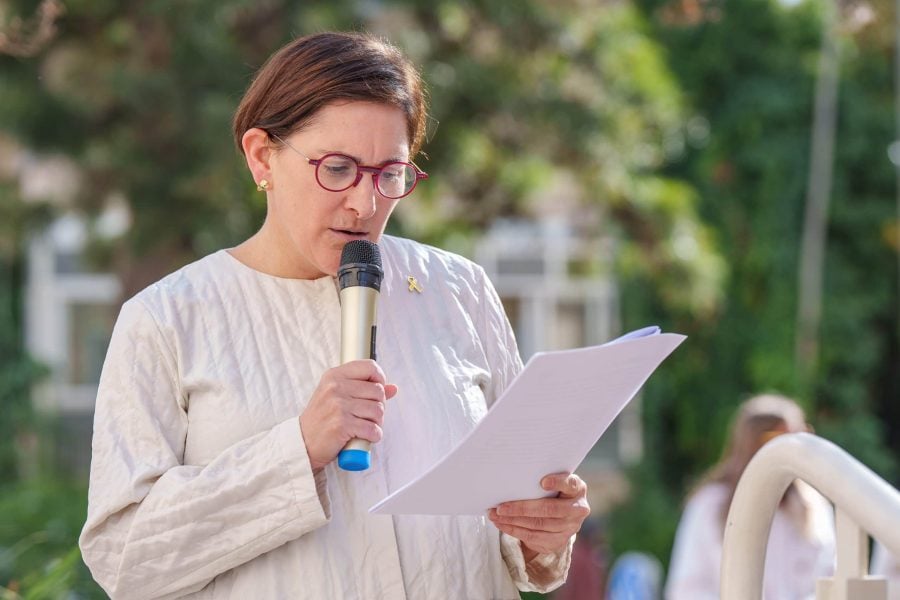
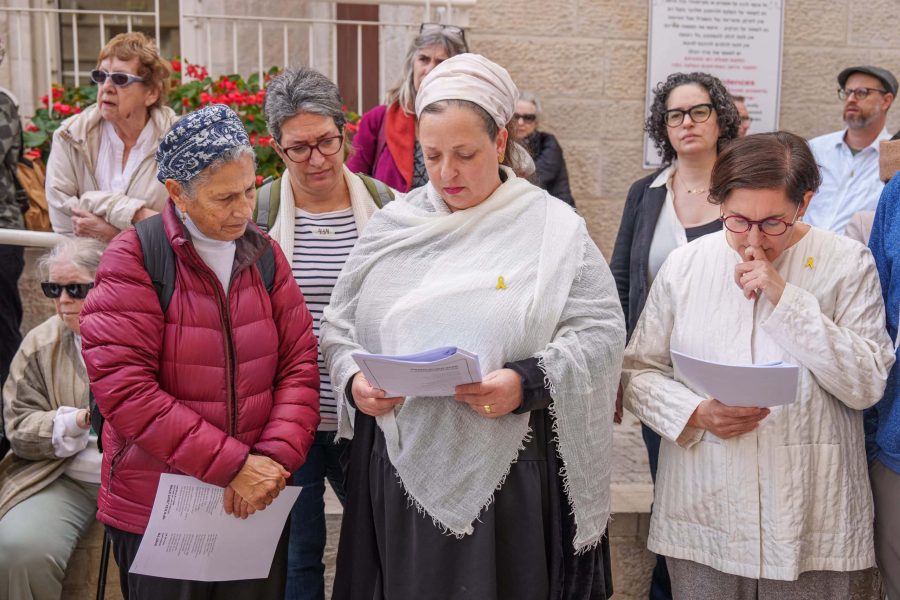
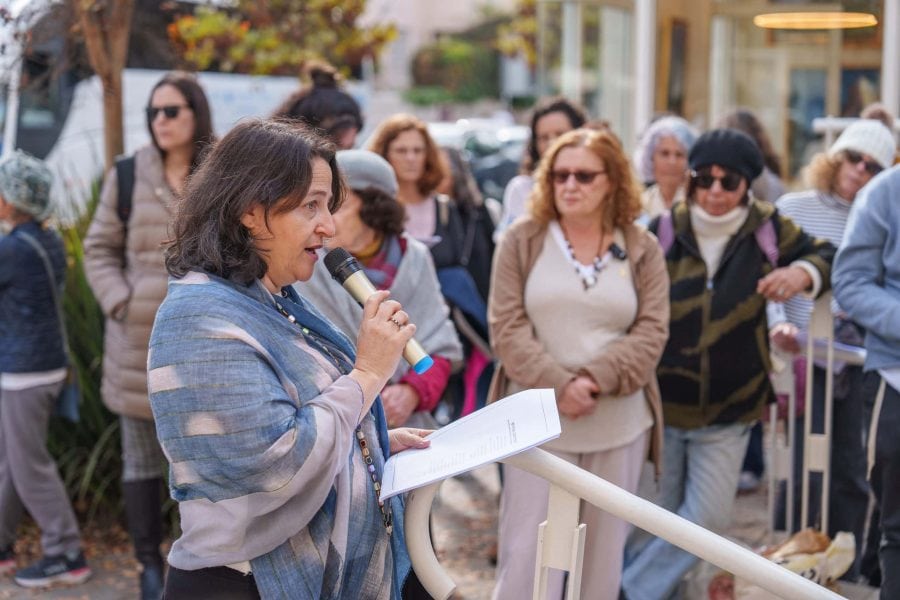
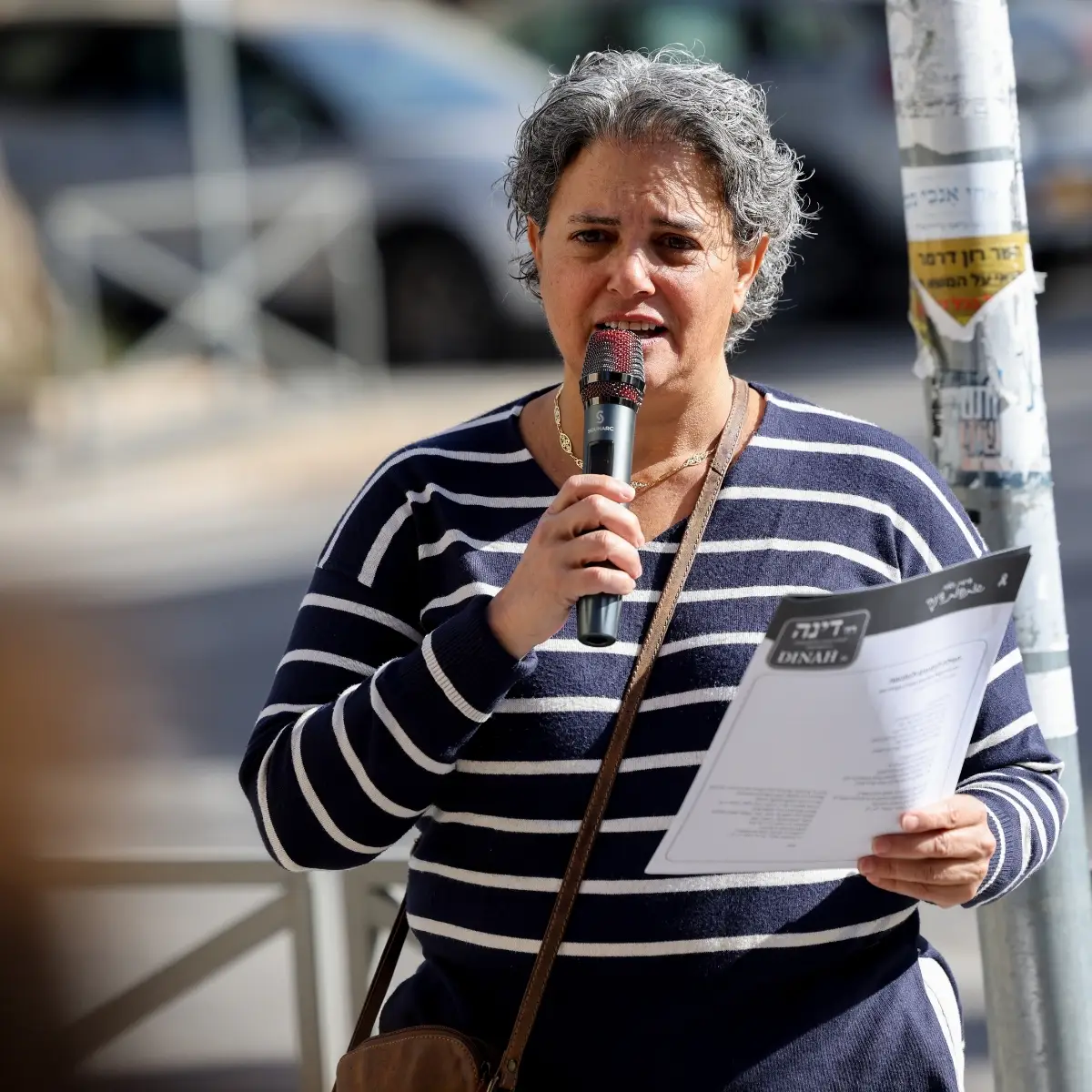
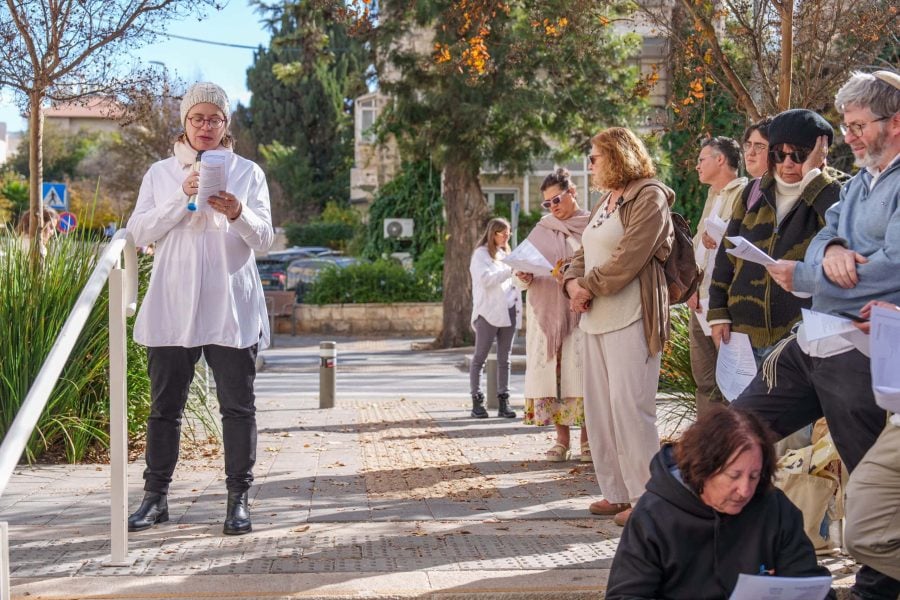
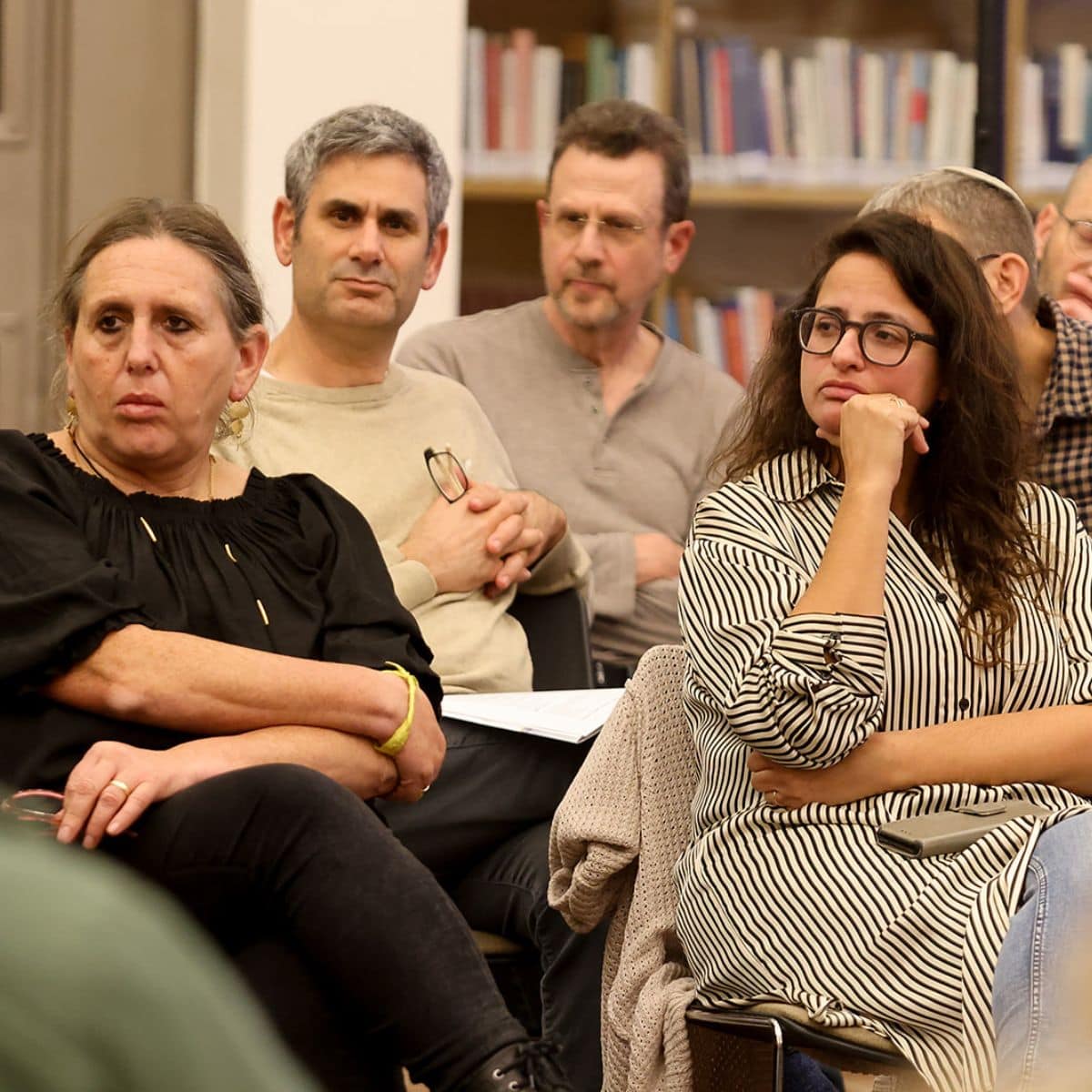
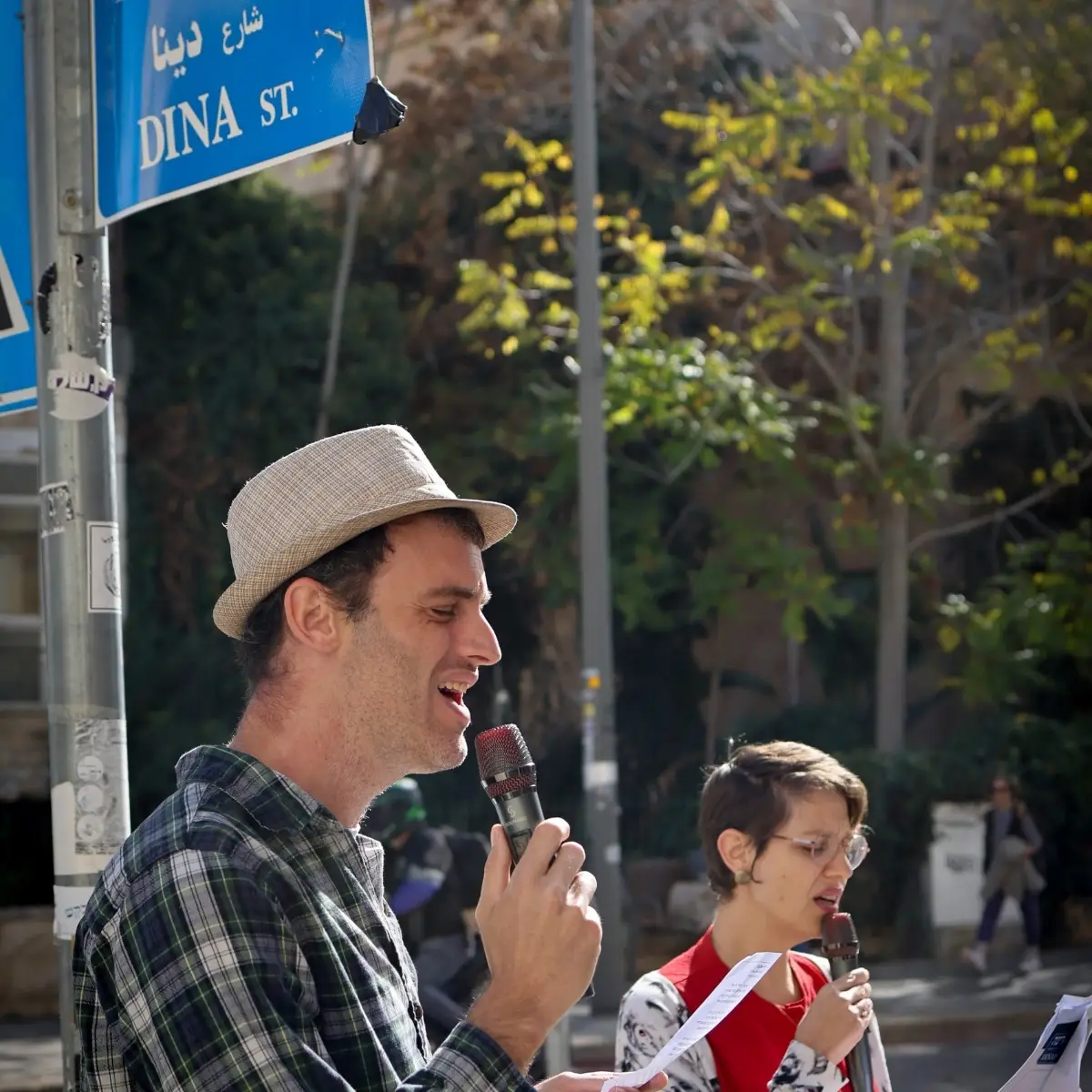
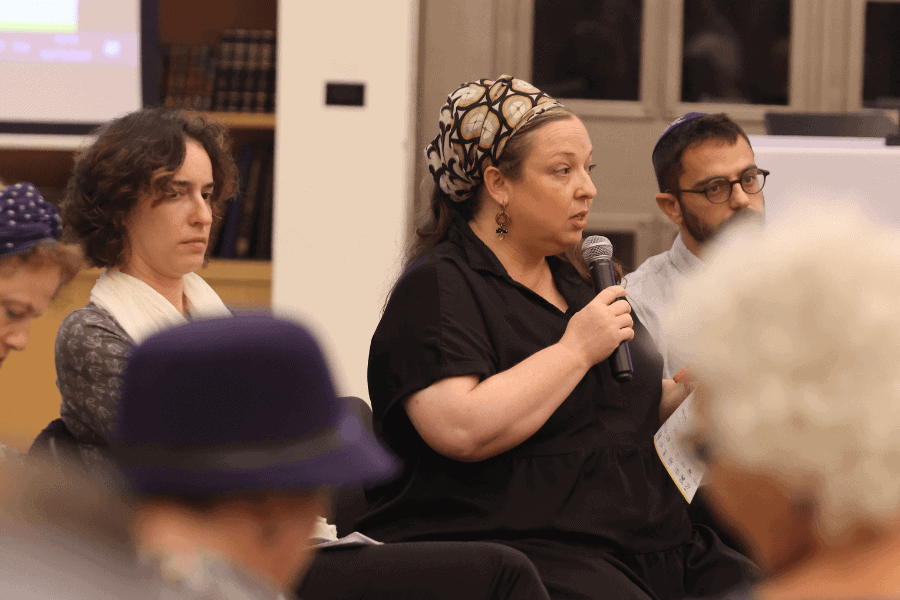
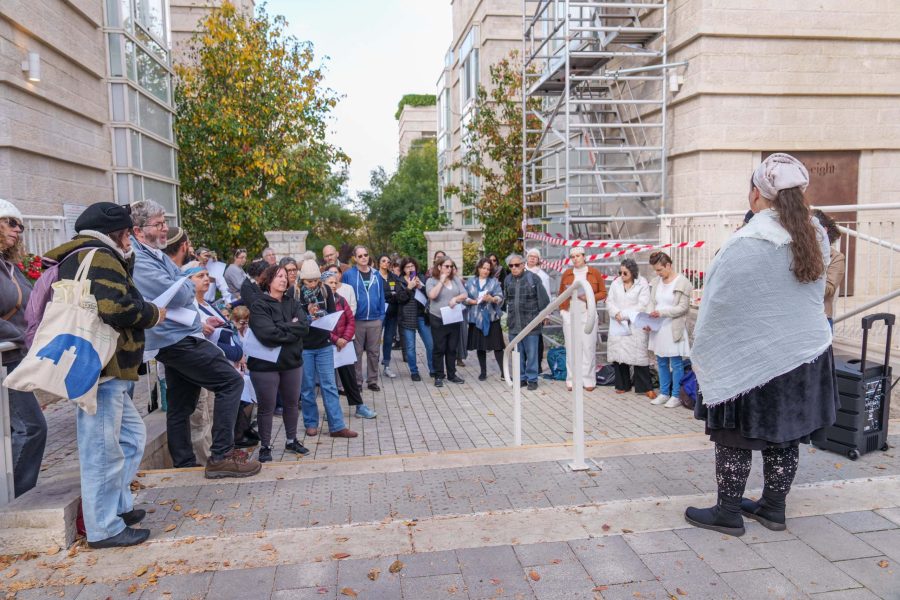
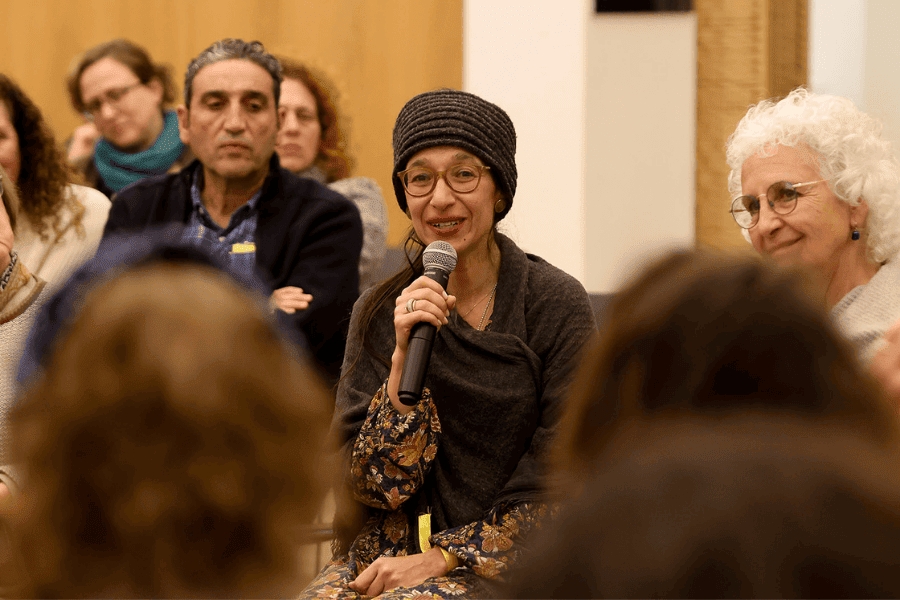
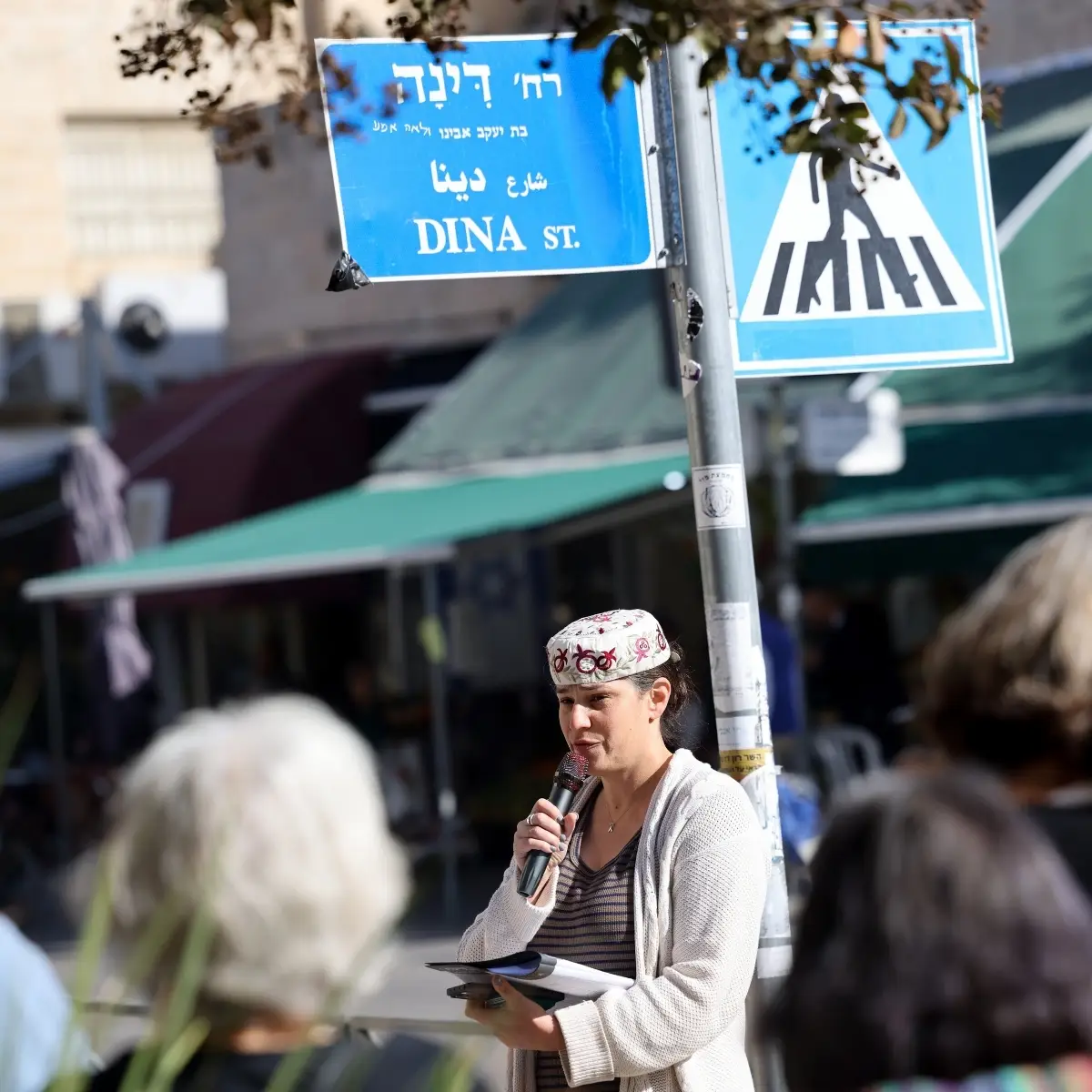
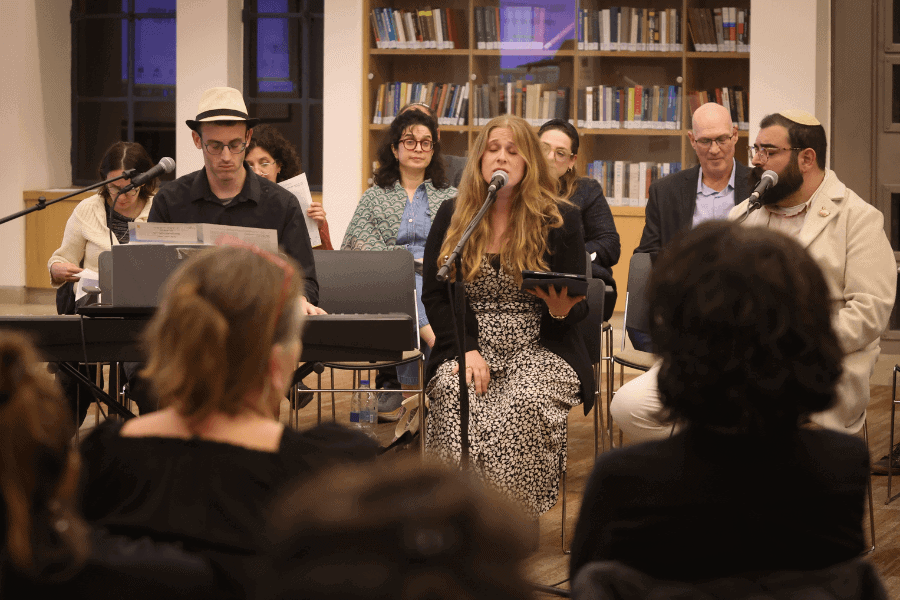
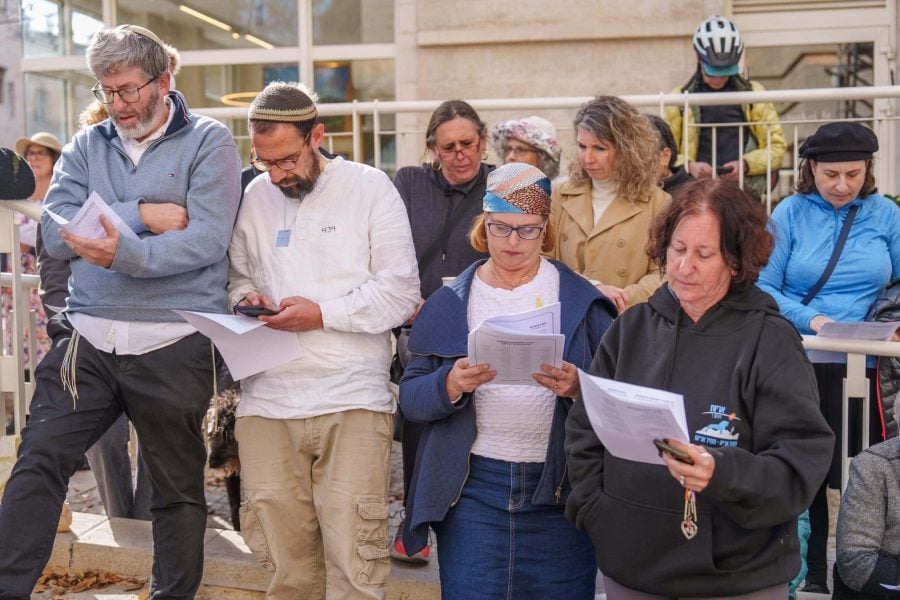
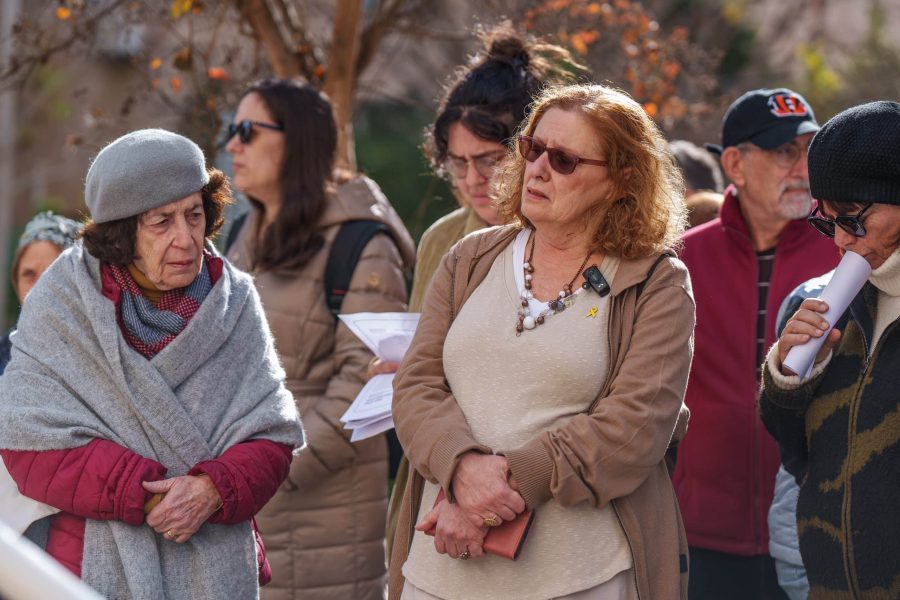
The Week of Dinah (Photos from 2023–2025)
Speakers at Dinah Events over the Years

Rabbanit Malka Puterkovsky

Adv. Oshrat Shoam
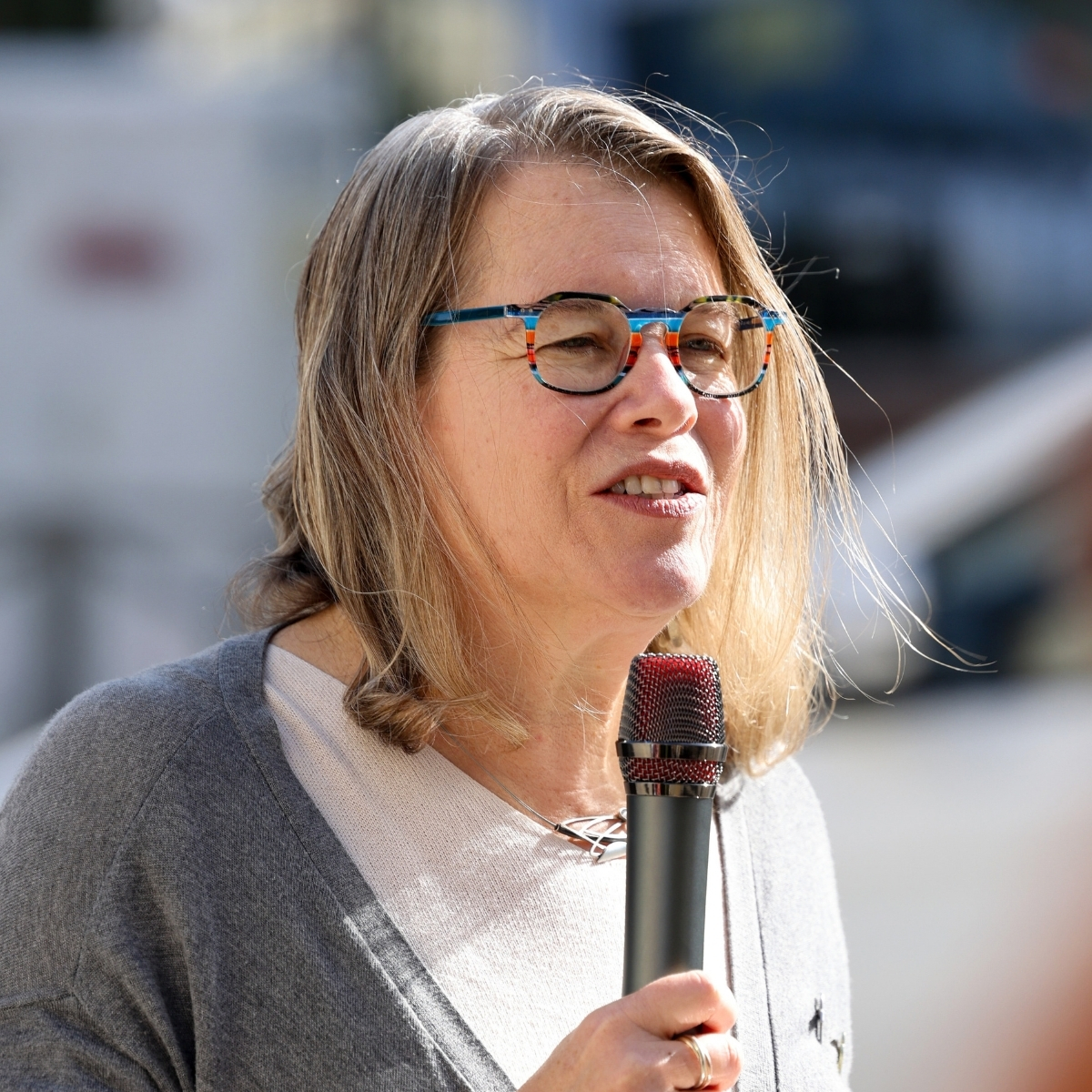
Prof. Ruth Halperin-Kaddari
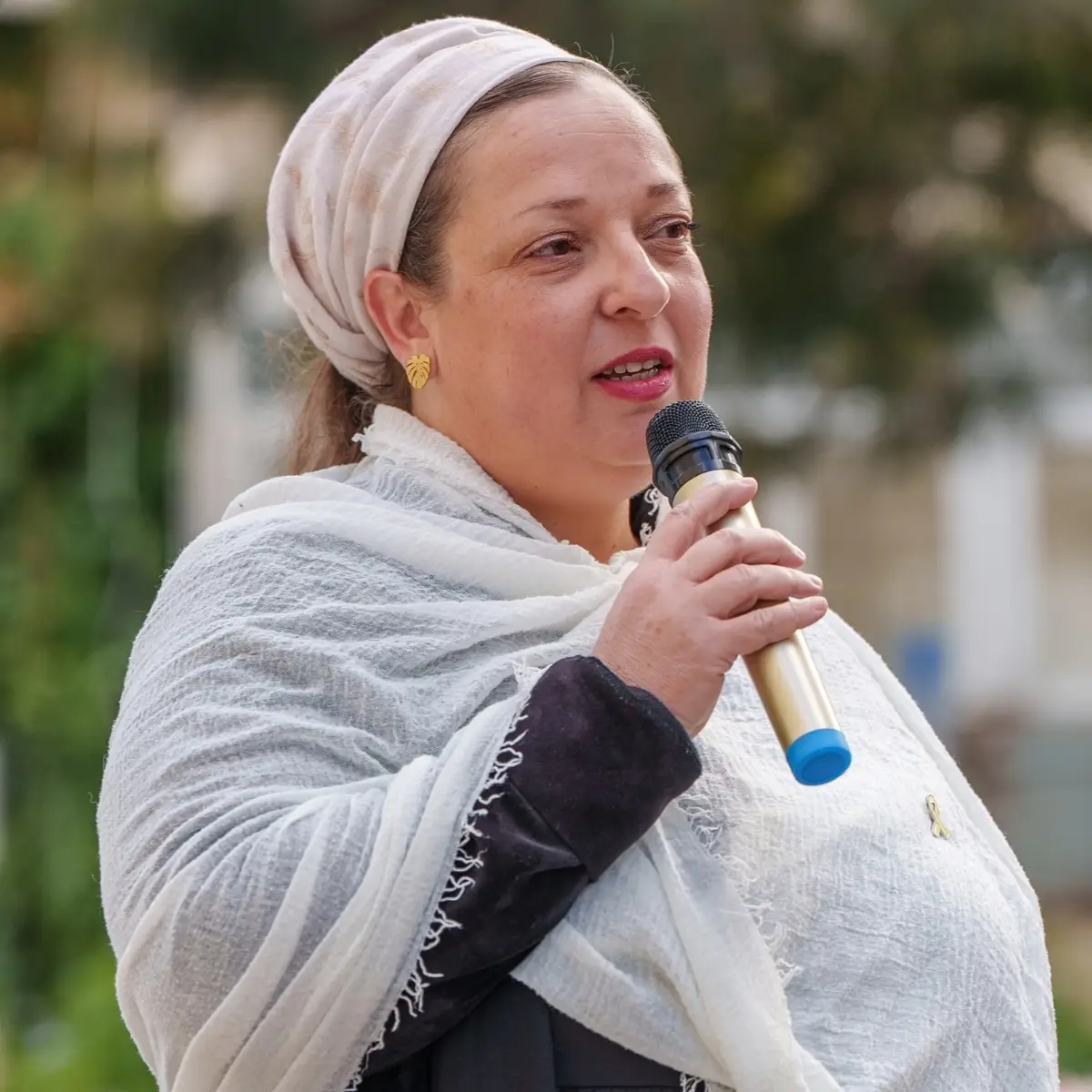
Rabbanit Sarah Segal-Katz
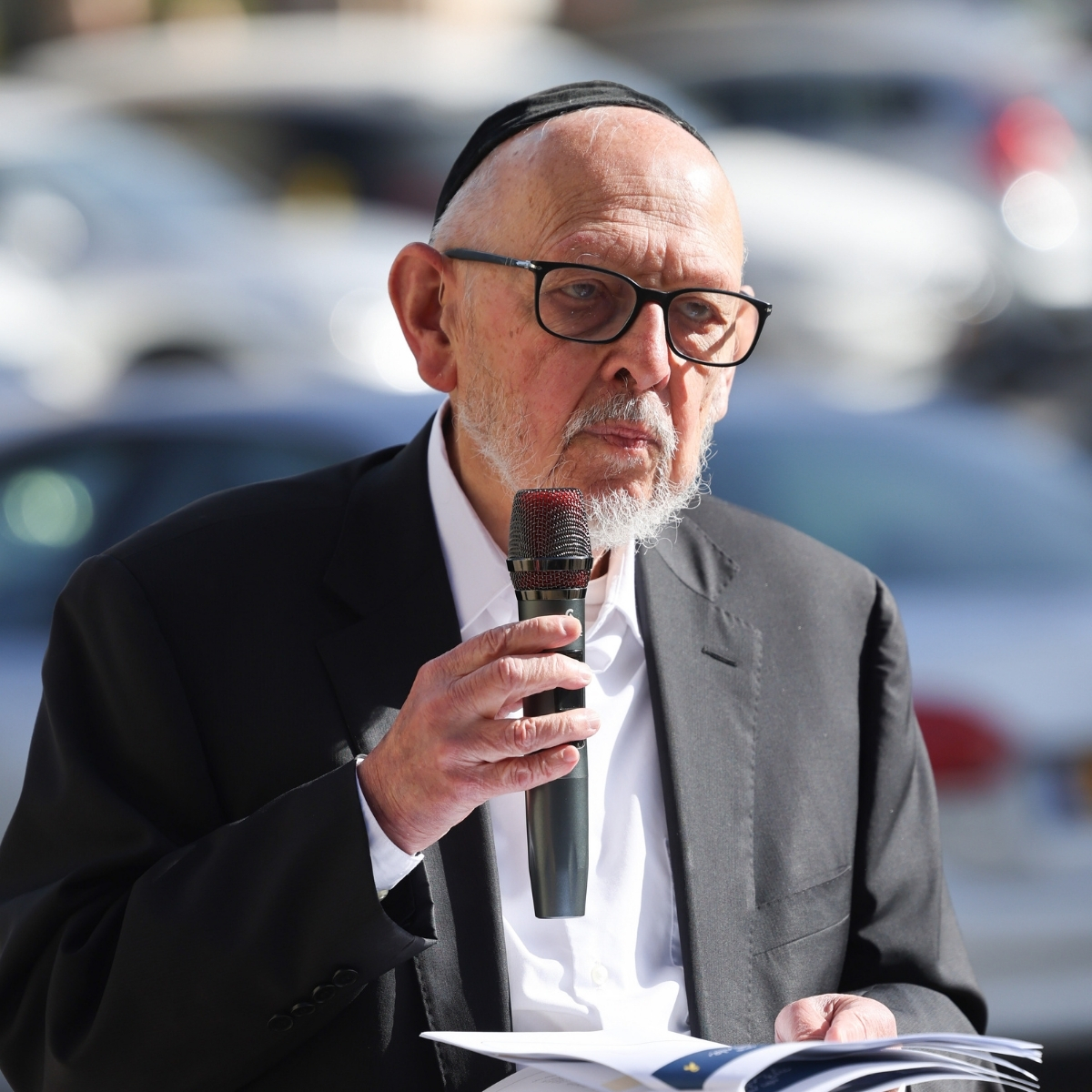
Rabbi Yosef Blau
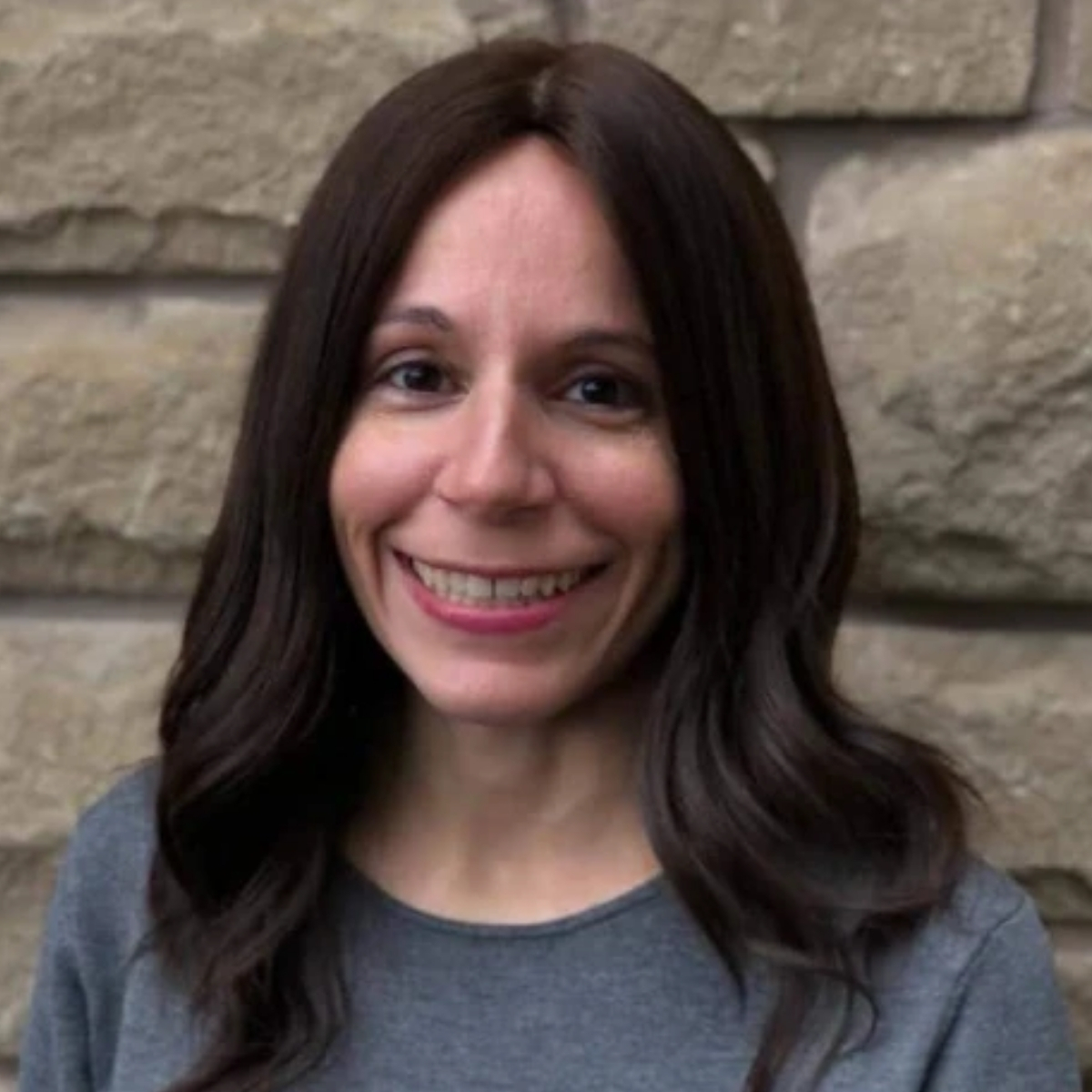
Dr. Guila Benchimol
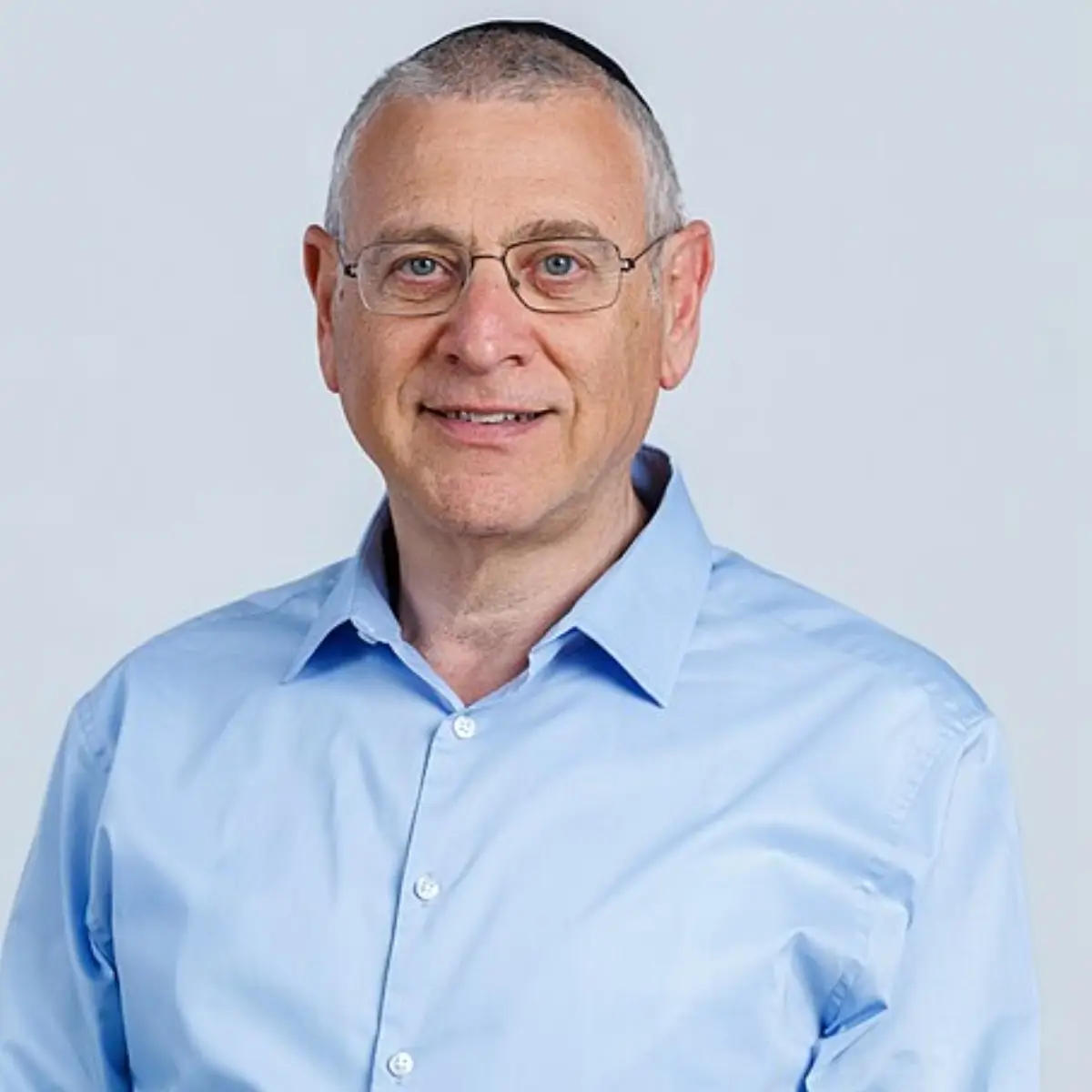
Rabbi Dr. Beni Lau
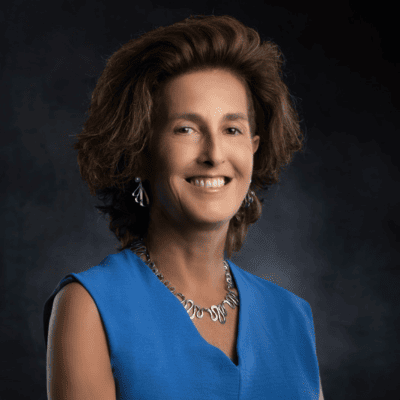
Orit Sulitzeanu
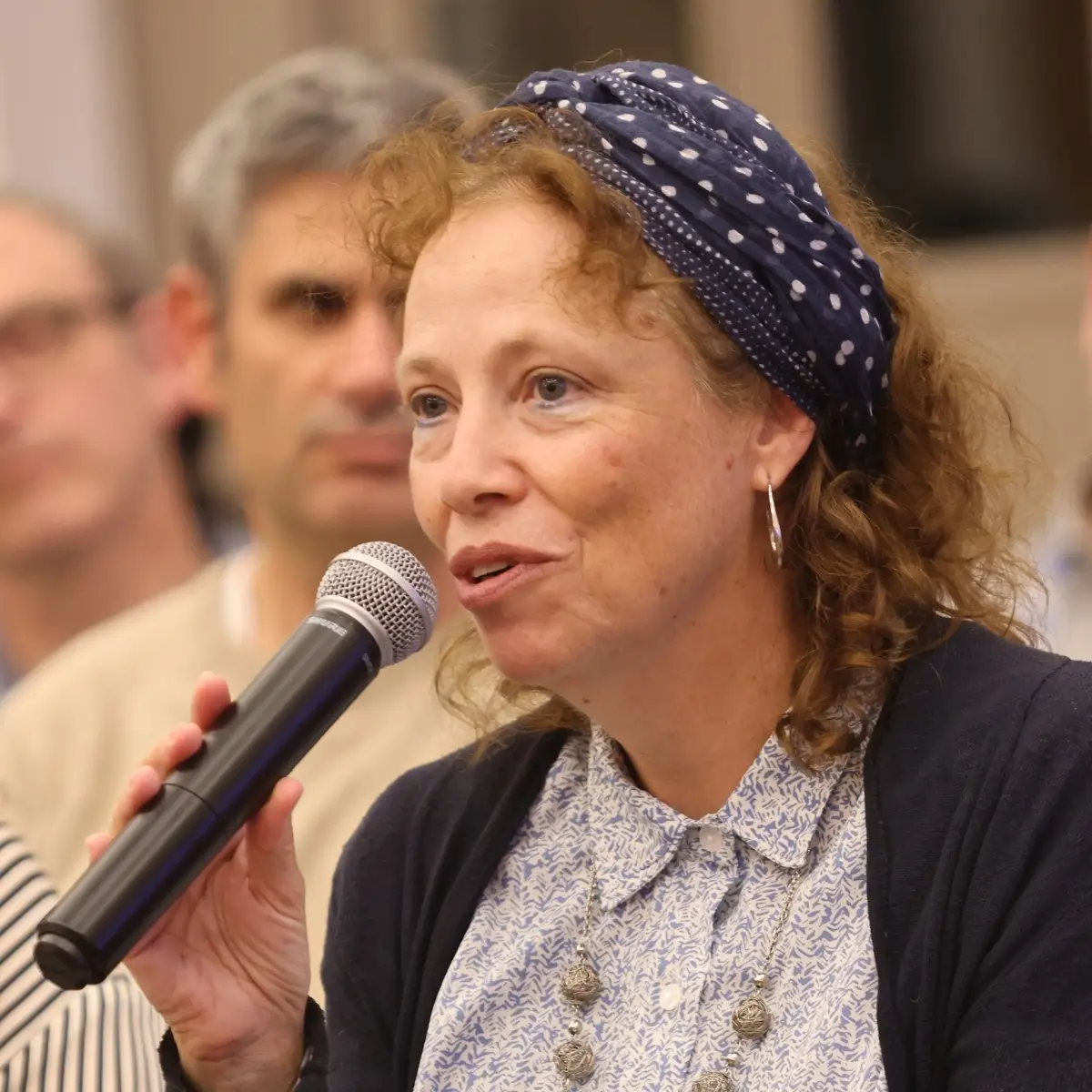
Yonina Fallenberg
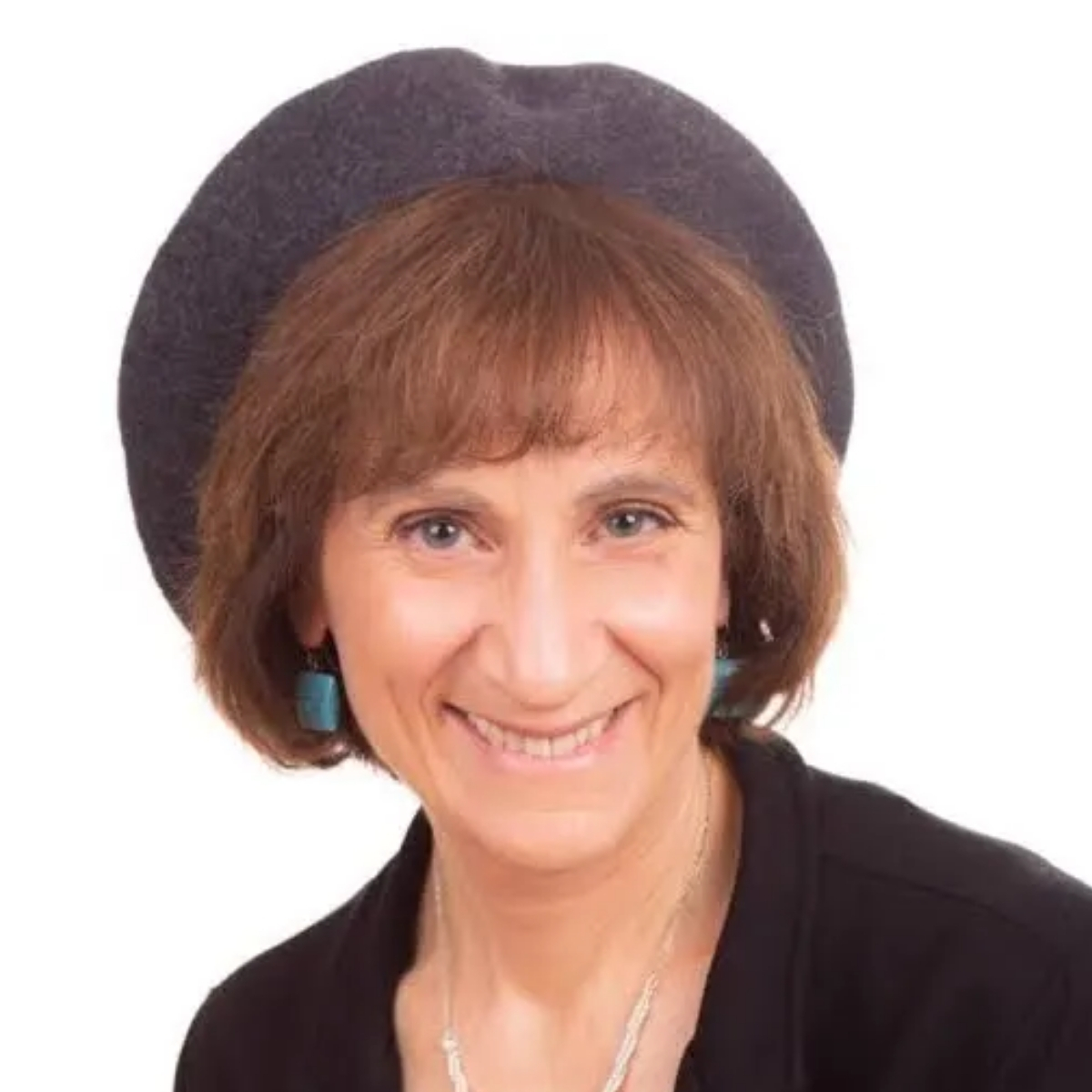
Judy Klitsner

Prof. Rafi Heruti
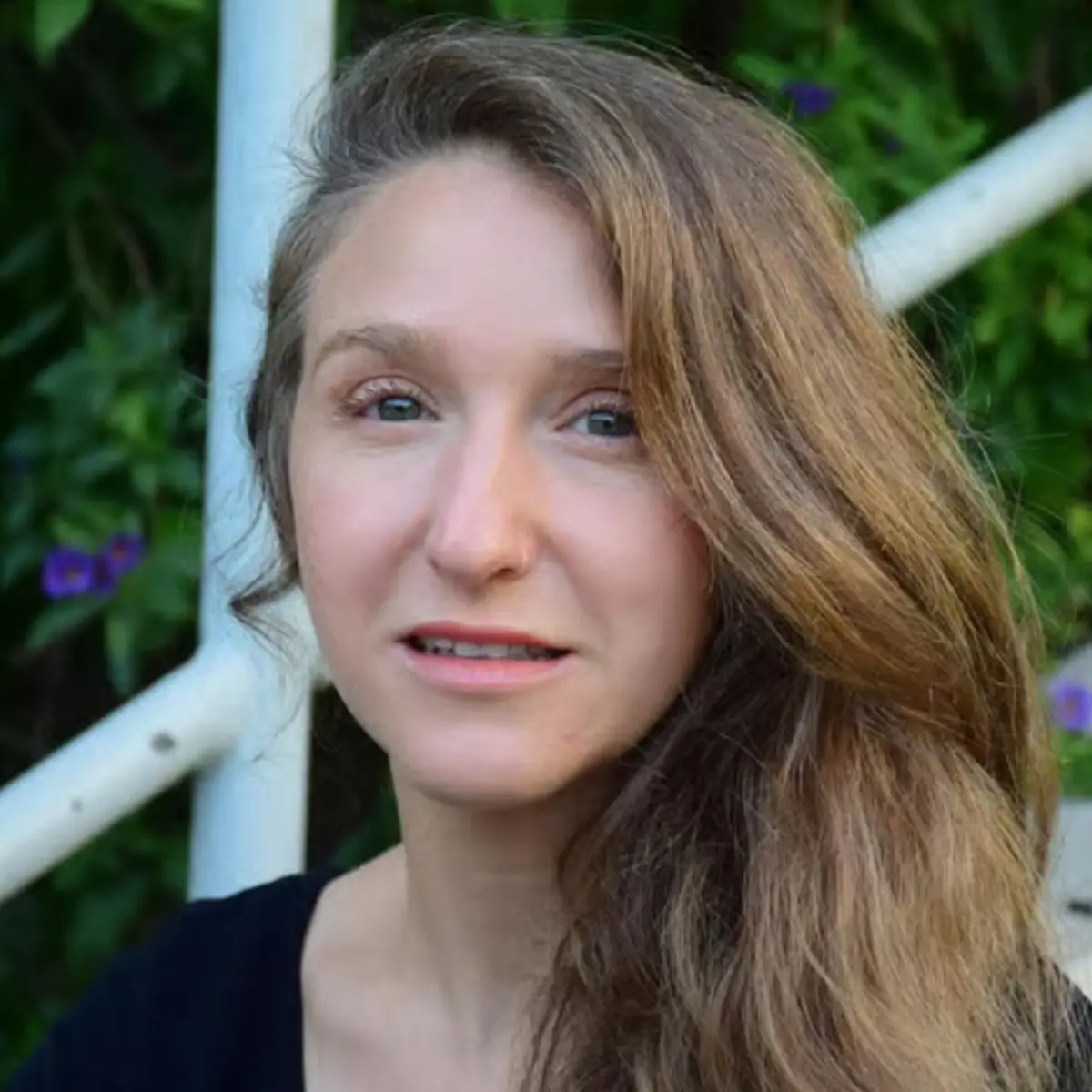
Shulamit Sperber
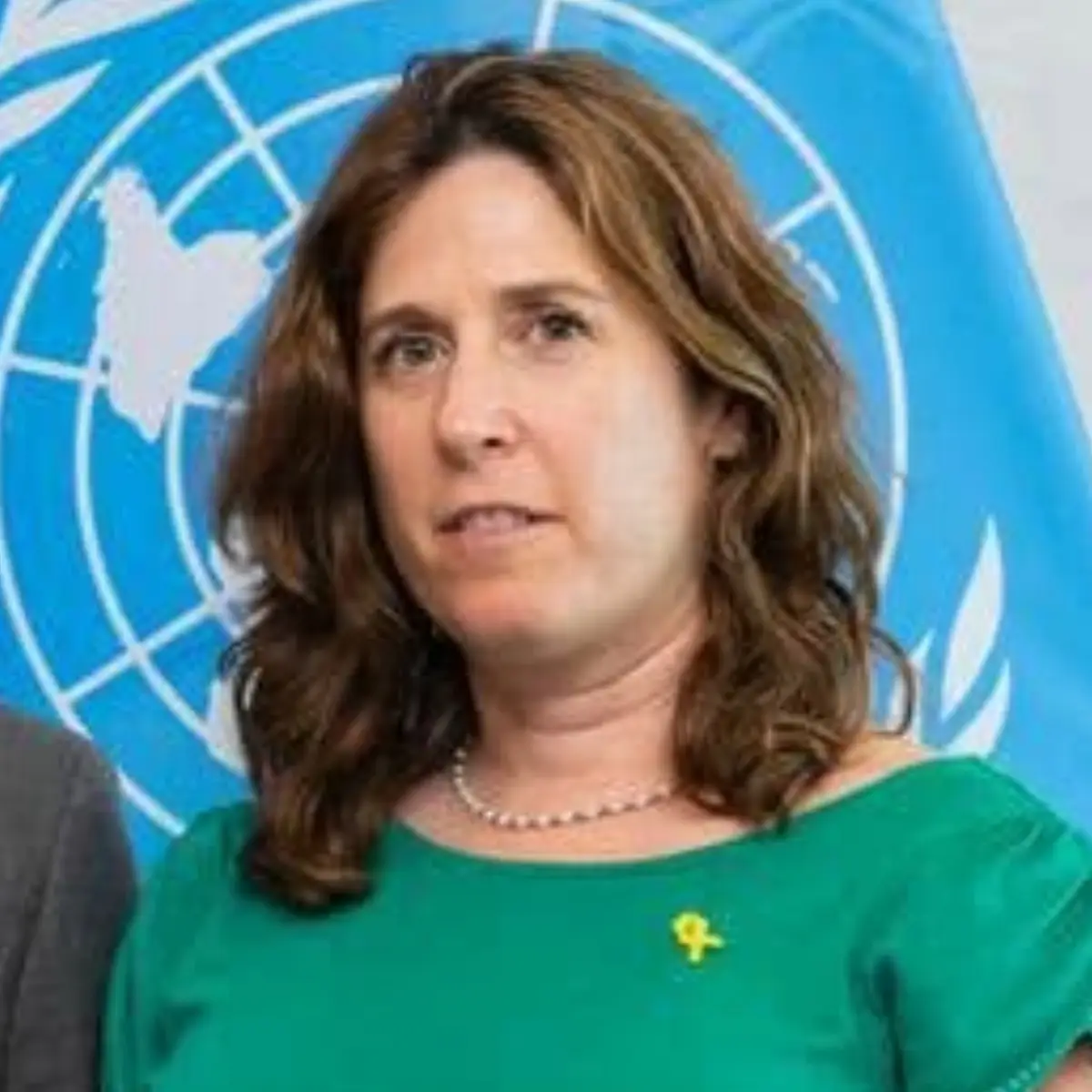
Einat Halevi Levin
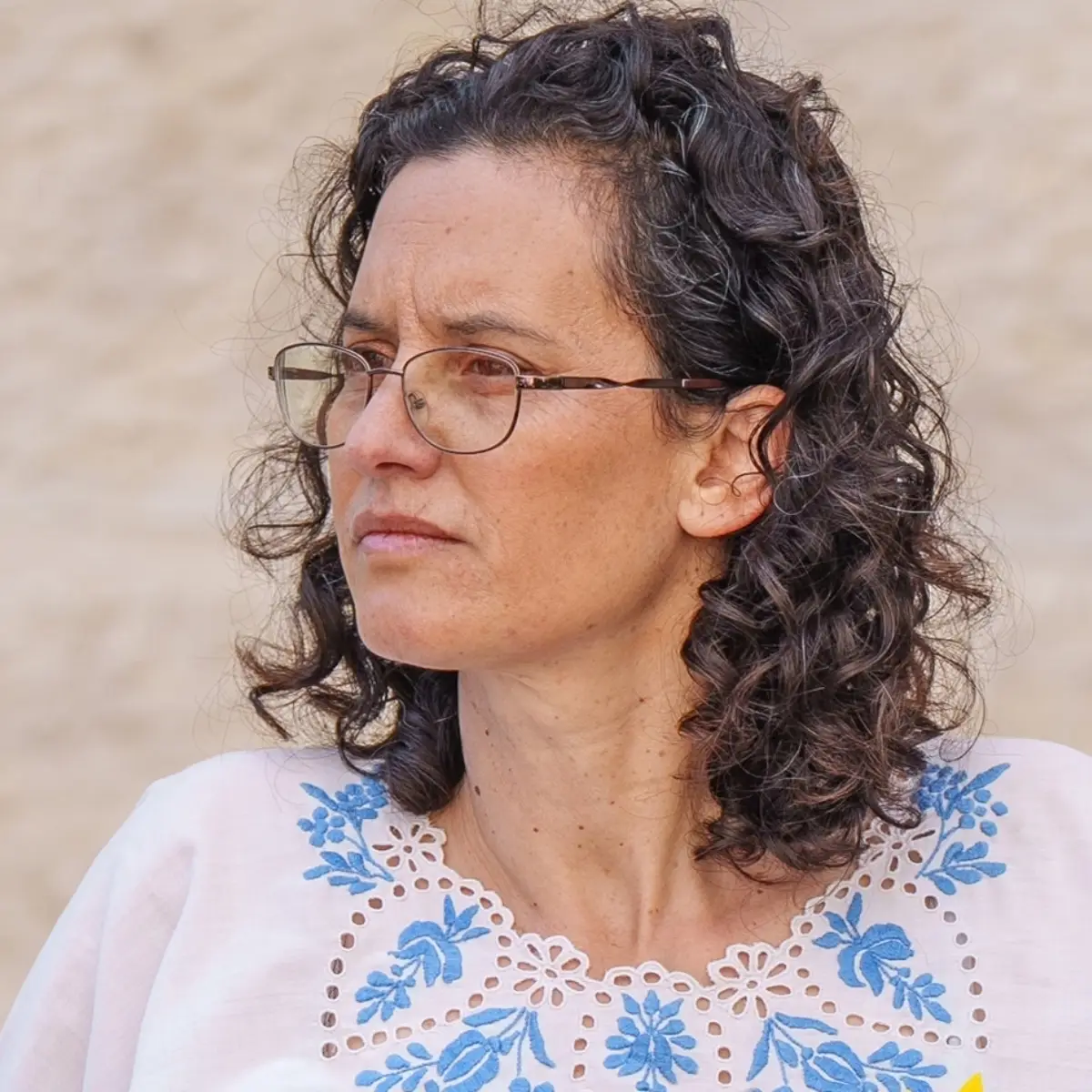
Rabbi Inbar Bluzer Shalem
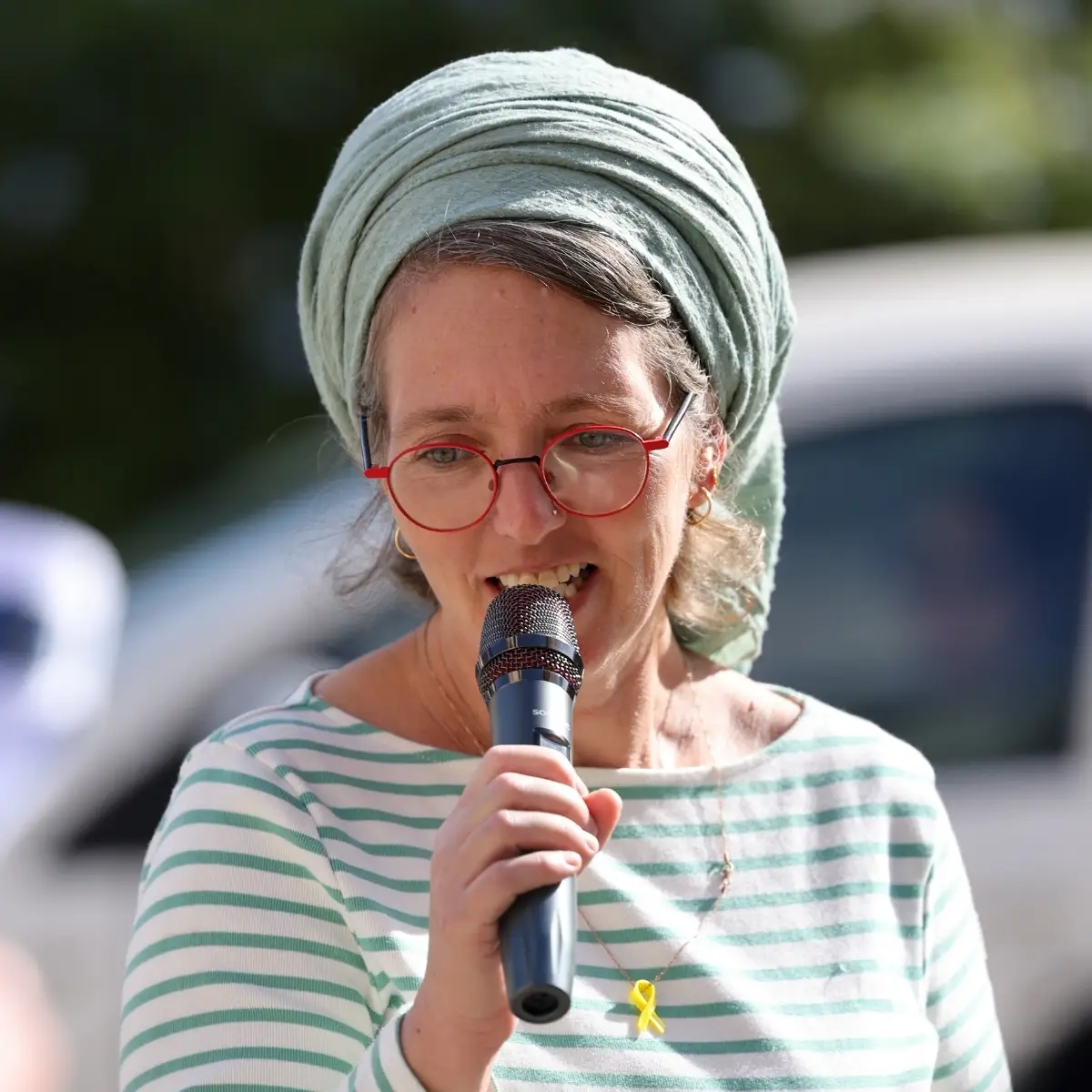
Rabbanit Carmit Feintuch
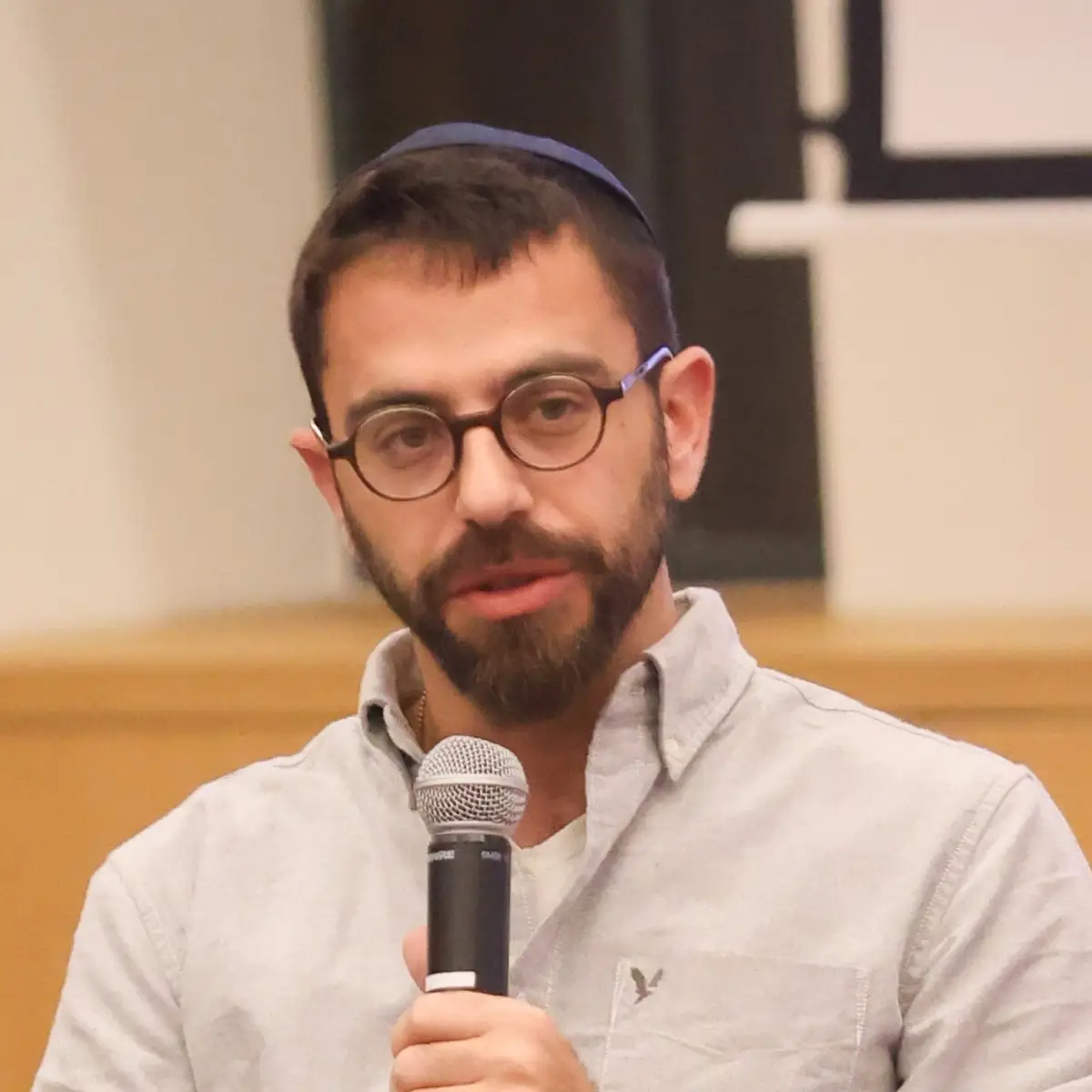
Tzviki Fleishman
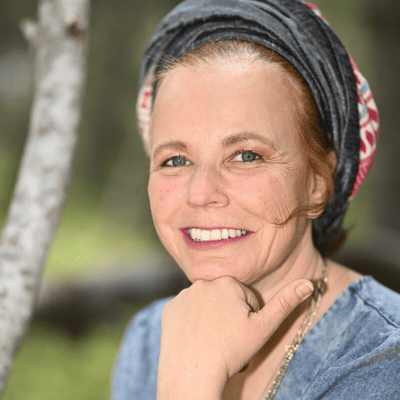
Rabbanit Michal Nagen
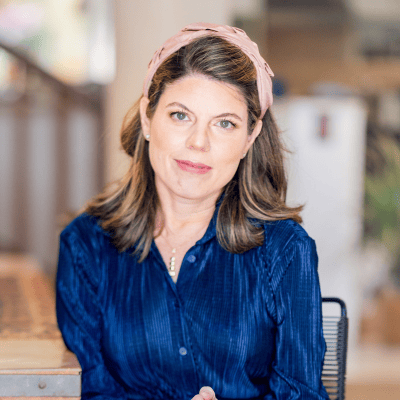
Adv. Nitzan Caspi Shiloni
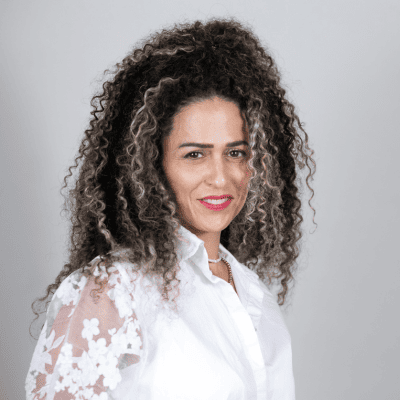
Adv. Dr. Shiri Oron

Rabbanit Aliza Sperling
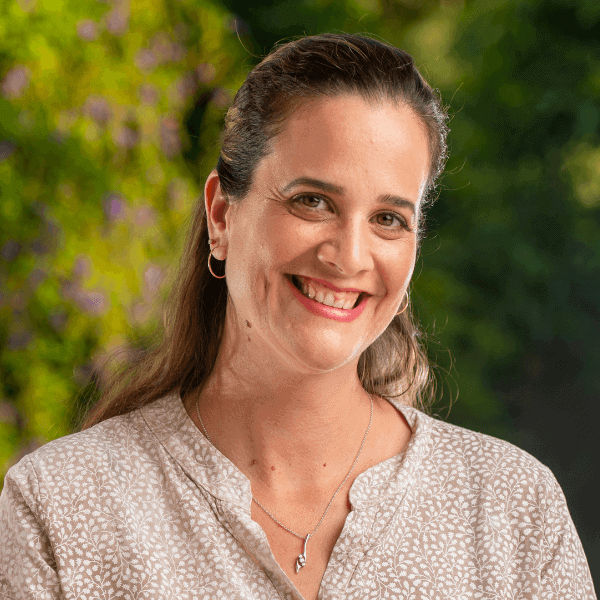
Dr. Yaron Schwartz

RabbI Debbie Shua Haim
Dina Hertz
Hefzi Cohen Montagu
Rabbi Efrat Rotem
Adv. Dr. Ilana Kwartin
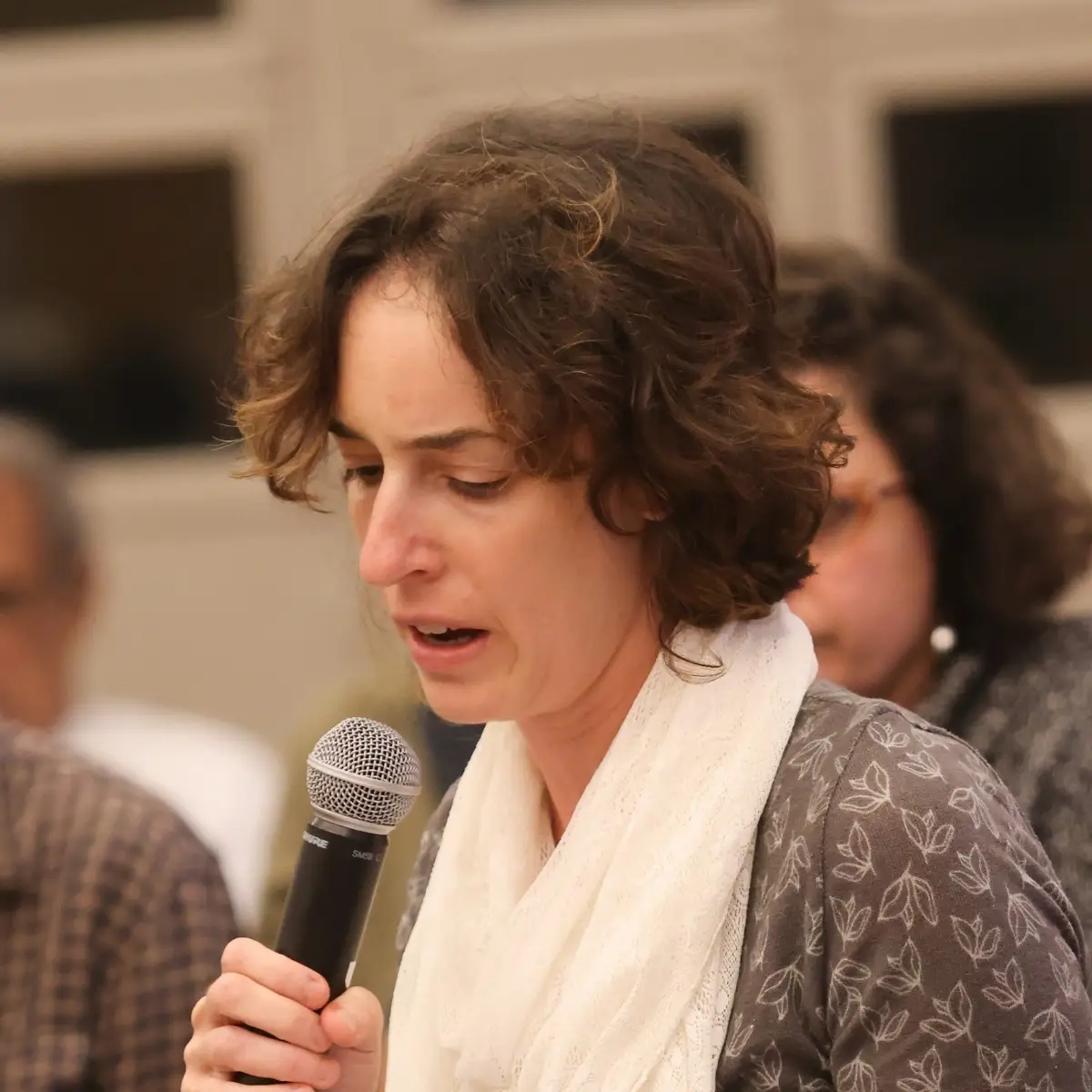
Dr. Yael Assor
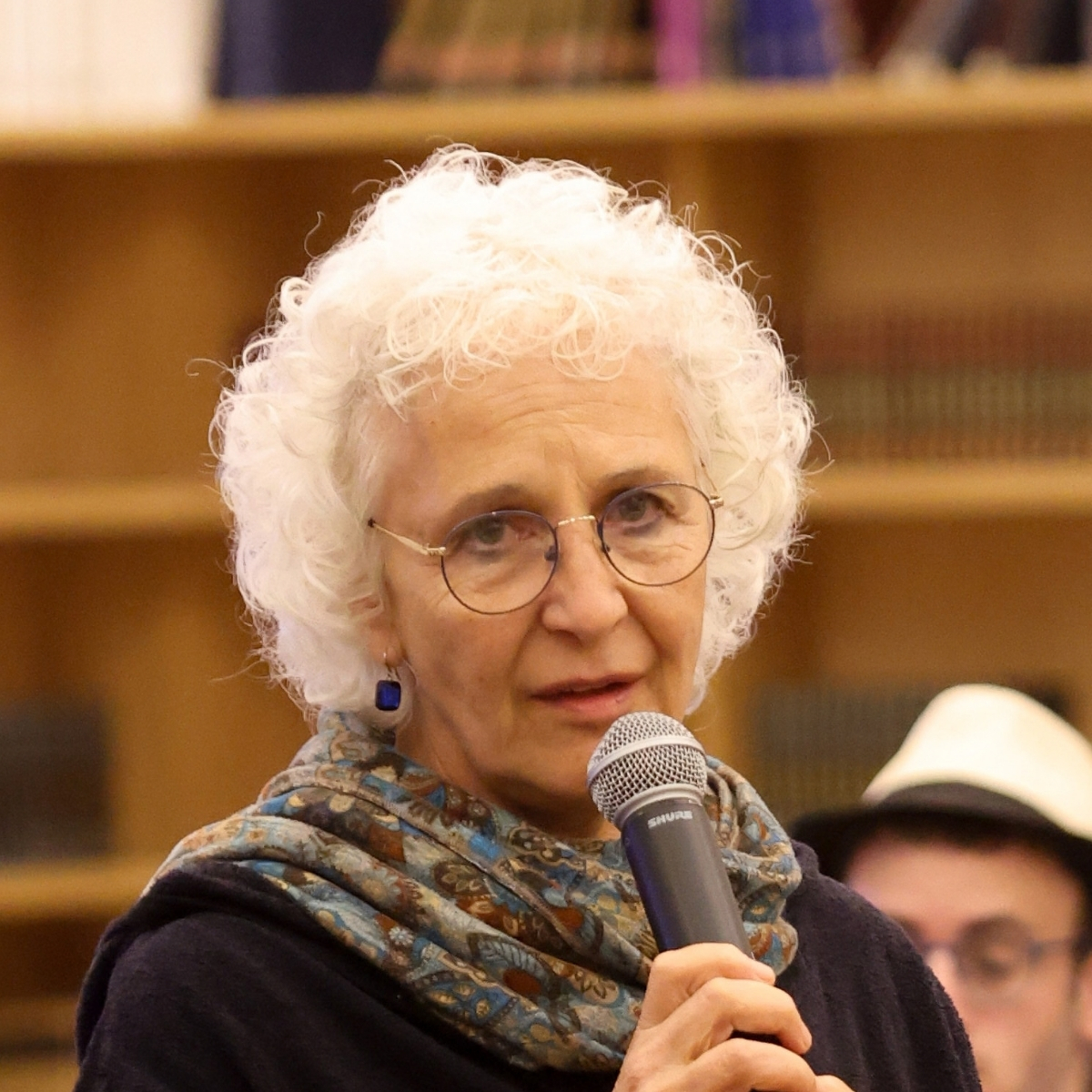
Dafna Karta Schwartz
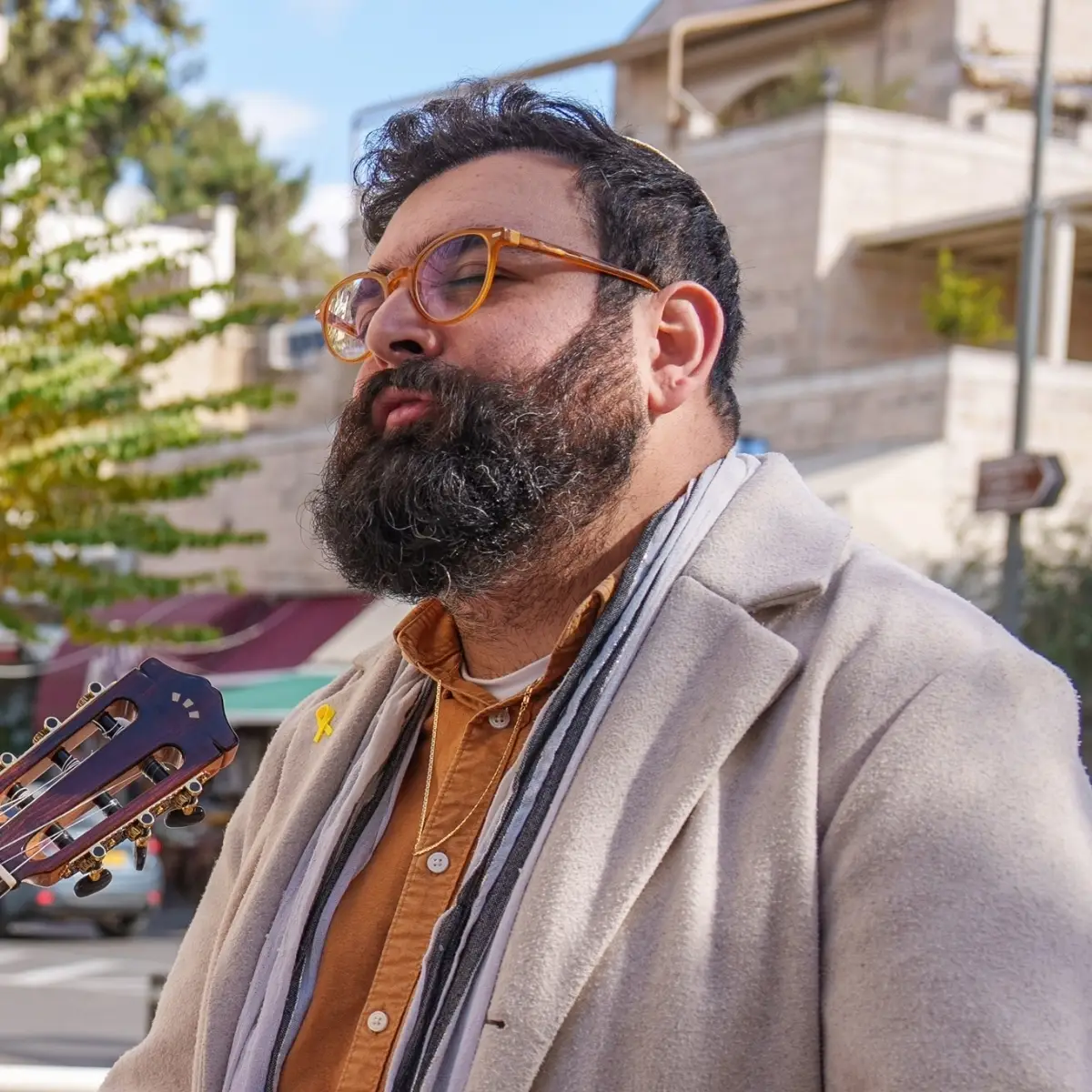
Rabbi Nerya Refael Knafo
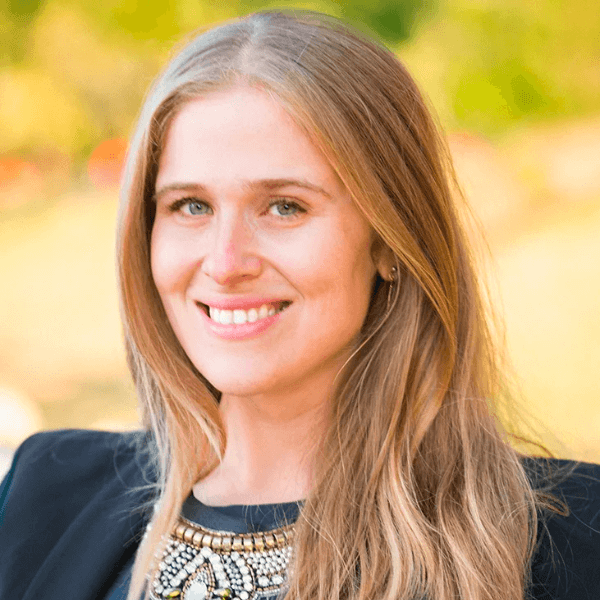
Rabbi-Cantor Shani Ben-Or
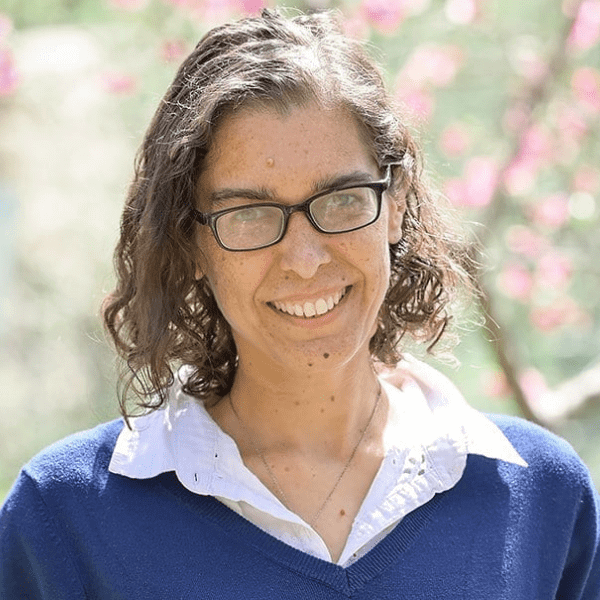
Rabbi Dr. Avital Hochstein

Rabbi Chaya Rowan Becker
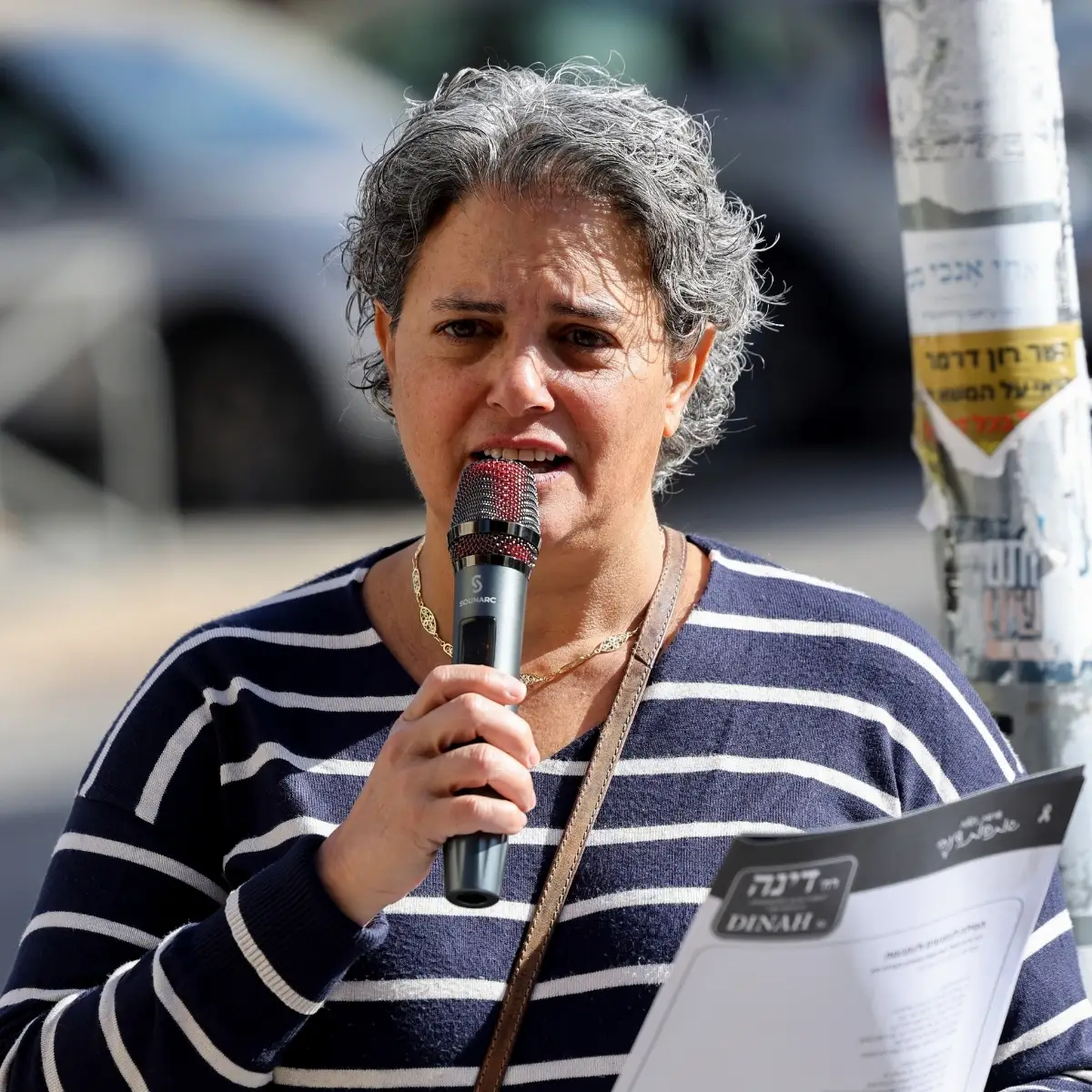
Osnat Ben Shoshan
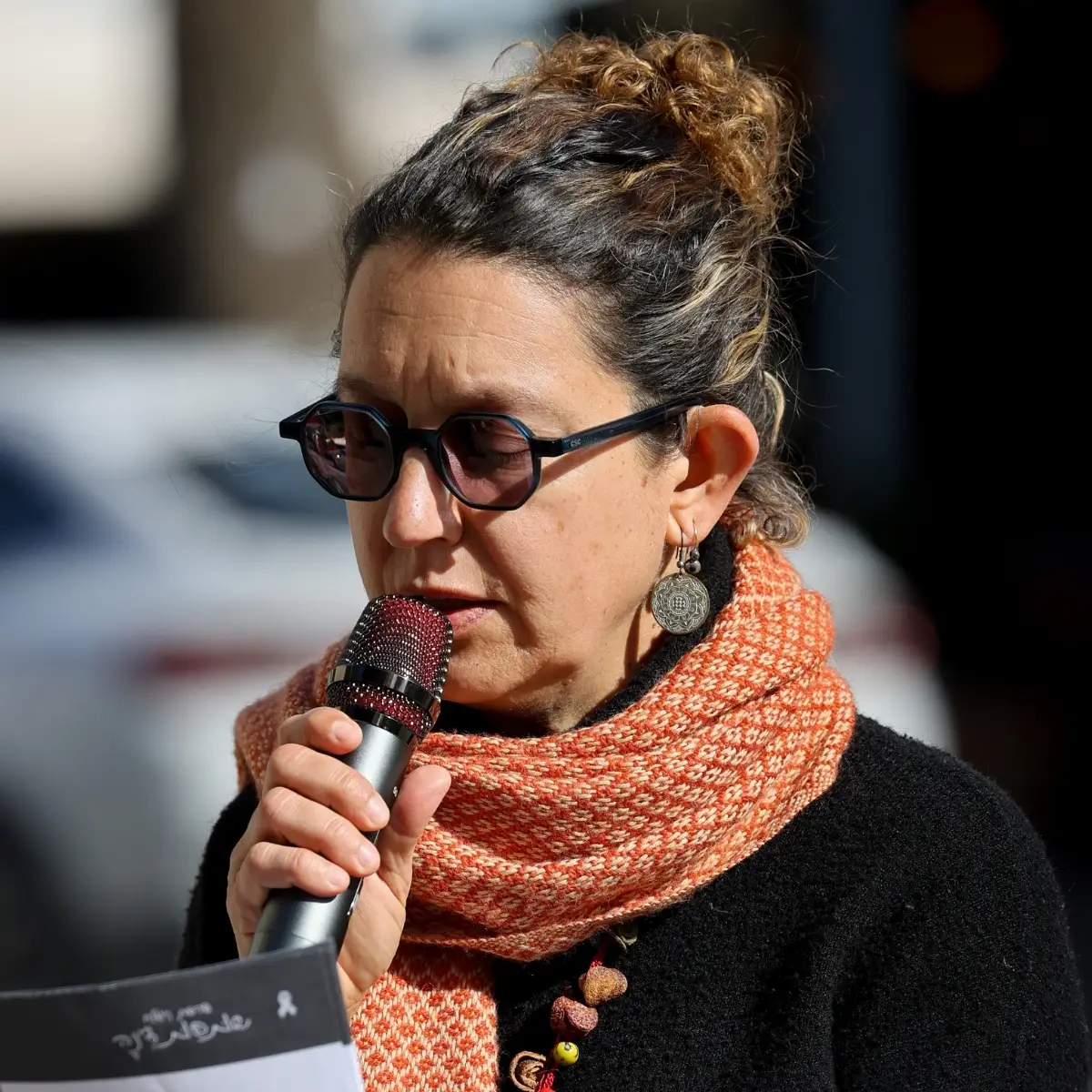
Liza Wasserman-Slutsky
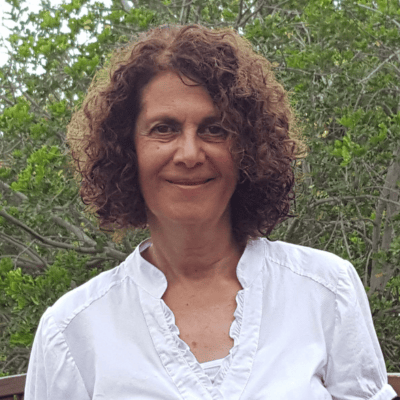
Rabbi Ayala Shashua-Miron
Naama Plesser
Rabbi Ari Hasid

Rabbanit Bracha Yaffe
Yahala Lachmish
Rabbanit Idit Mevorach Shaag

Rabbi Mira Regev
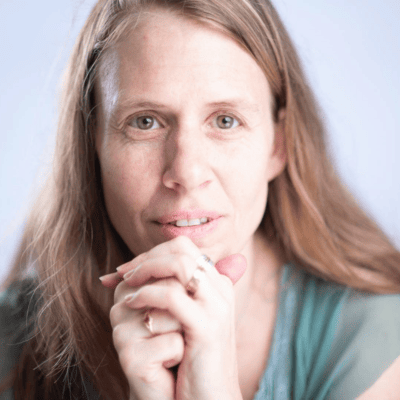
Noga Eshad

Paytanit Miléna Kartowski-Aïach
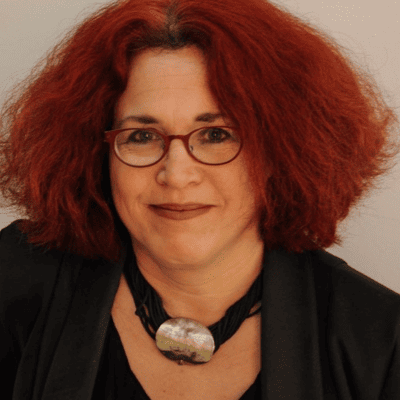
Prof. Ruchama Weiss
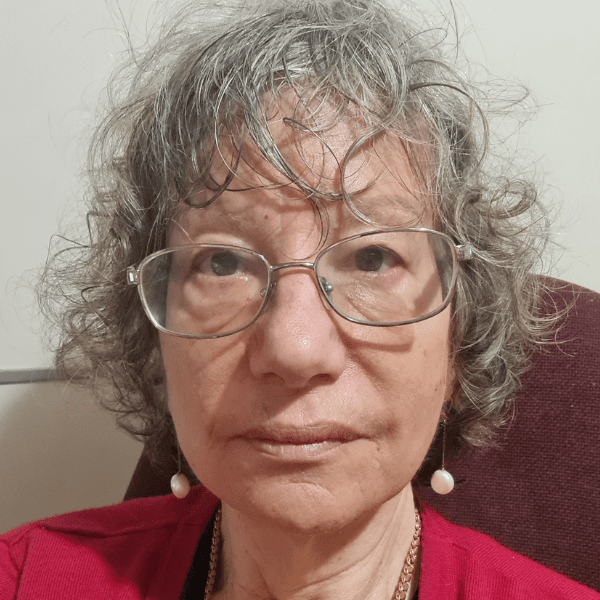
Ofra Ofer Oren

Uri Peretz
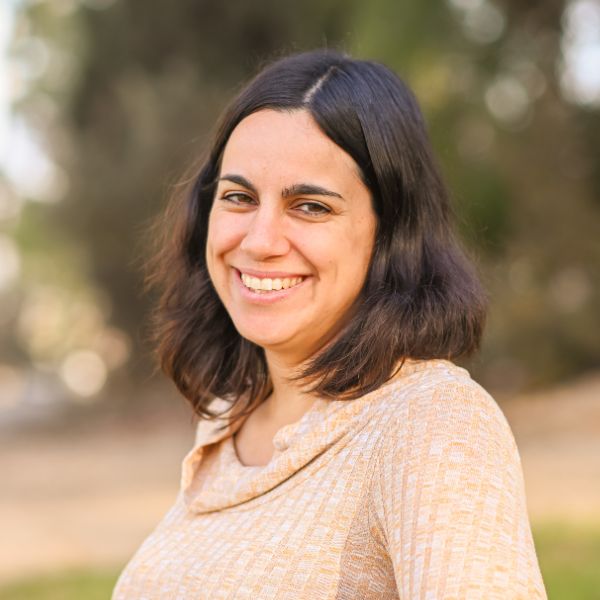
Avishag Amit Shapira
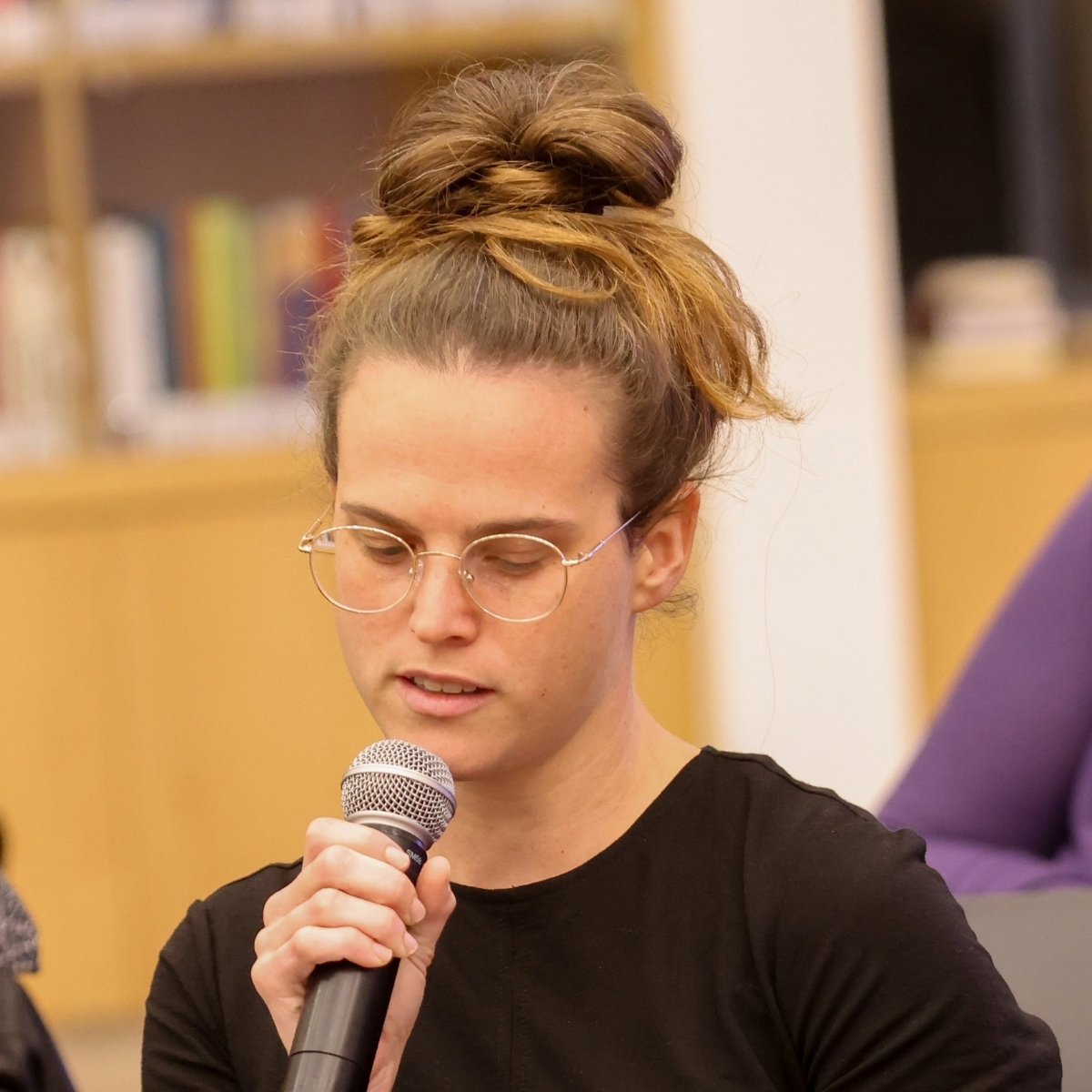
Eden Levita
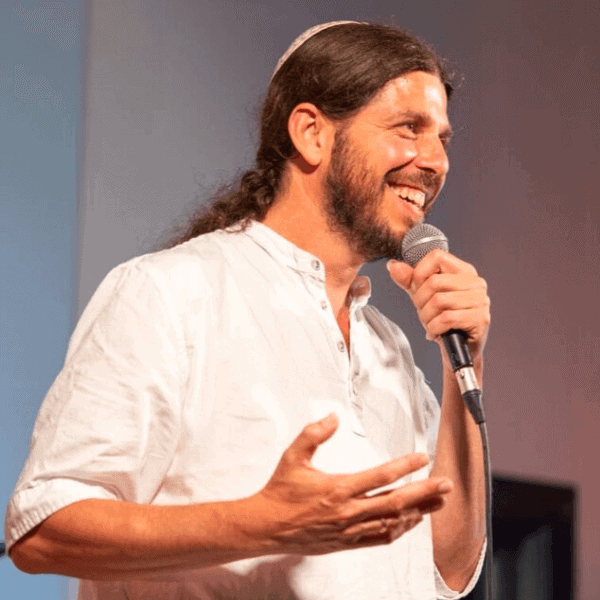
Rabbi Oded Mazor
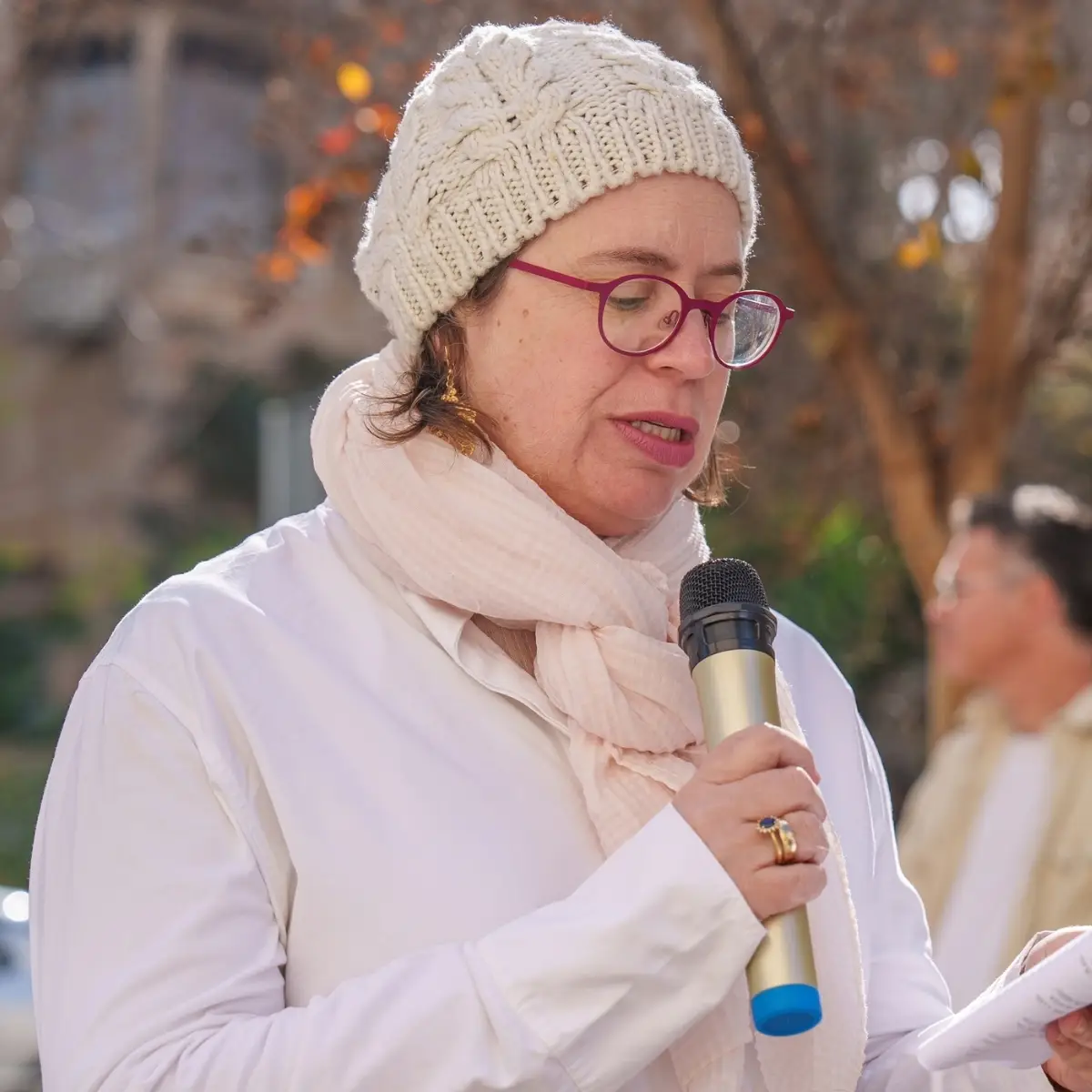
Shira Ben Sasson Furstenberg
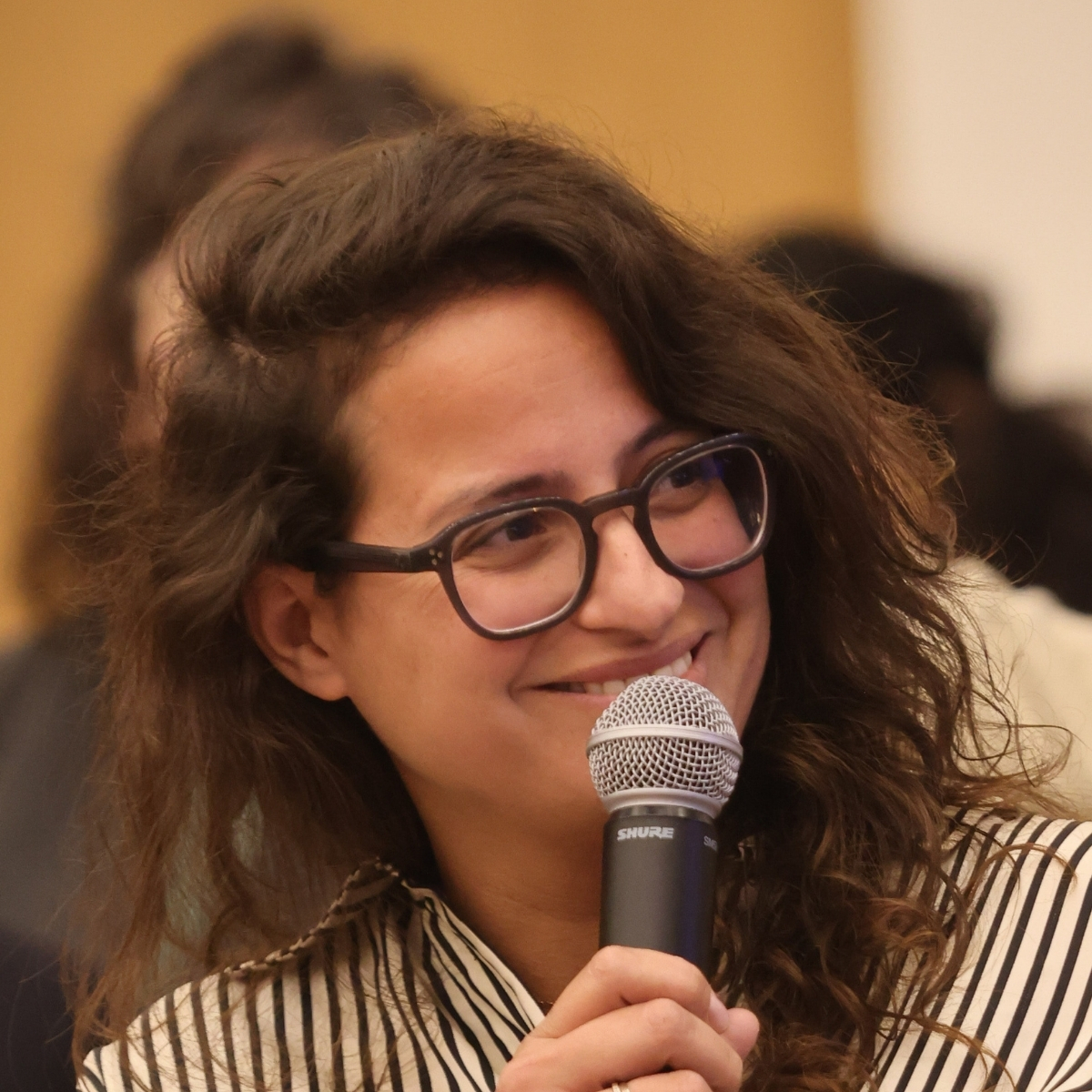
Alma Keness
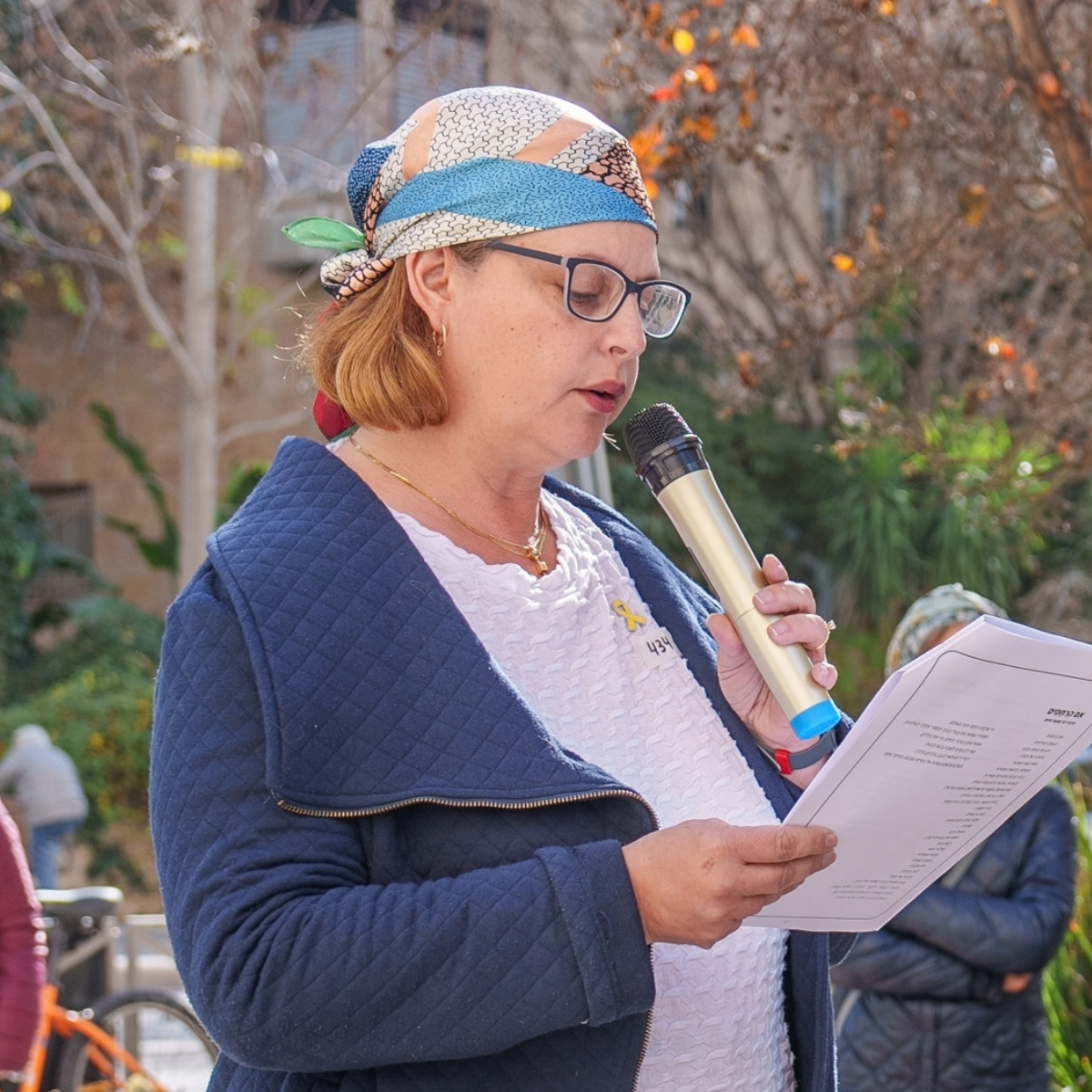
Rabbanit Aliza Moss Rabinowitz
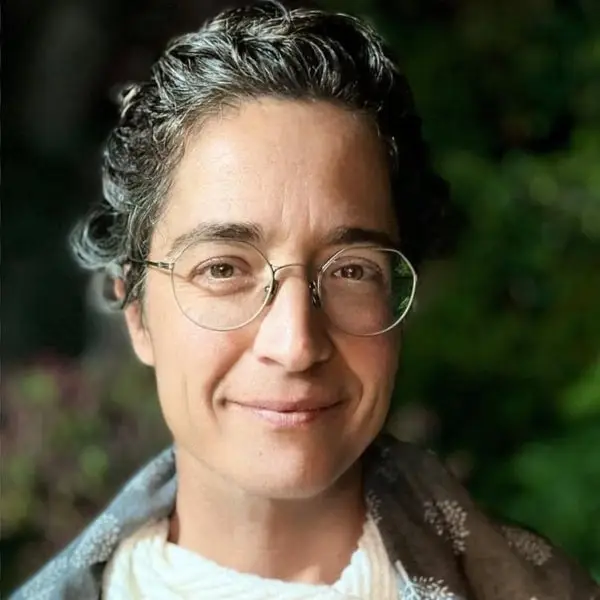
Rabbi Dahlia Shaham
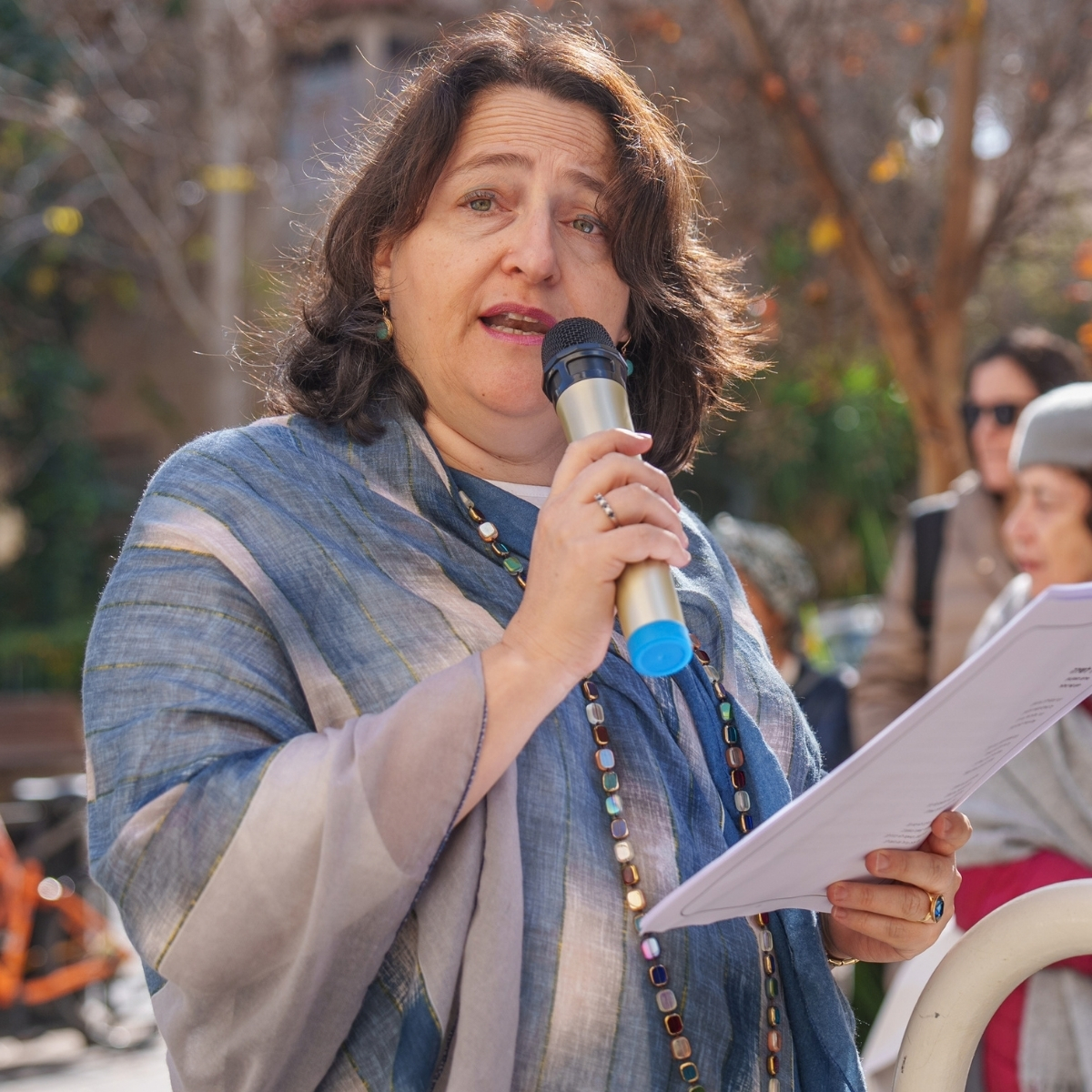
Rabbanit Dr. Renana Ravitzky Pilzer
Rabbi Dina Neiman
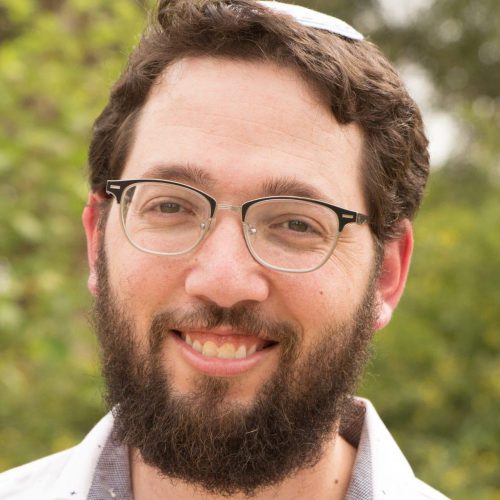
Uri Sherman Knaul
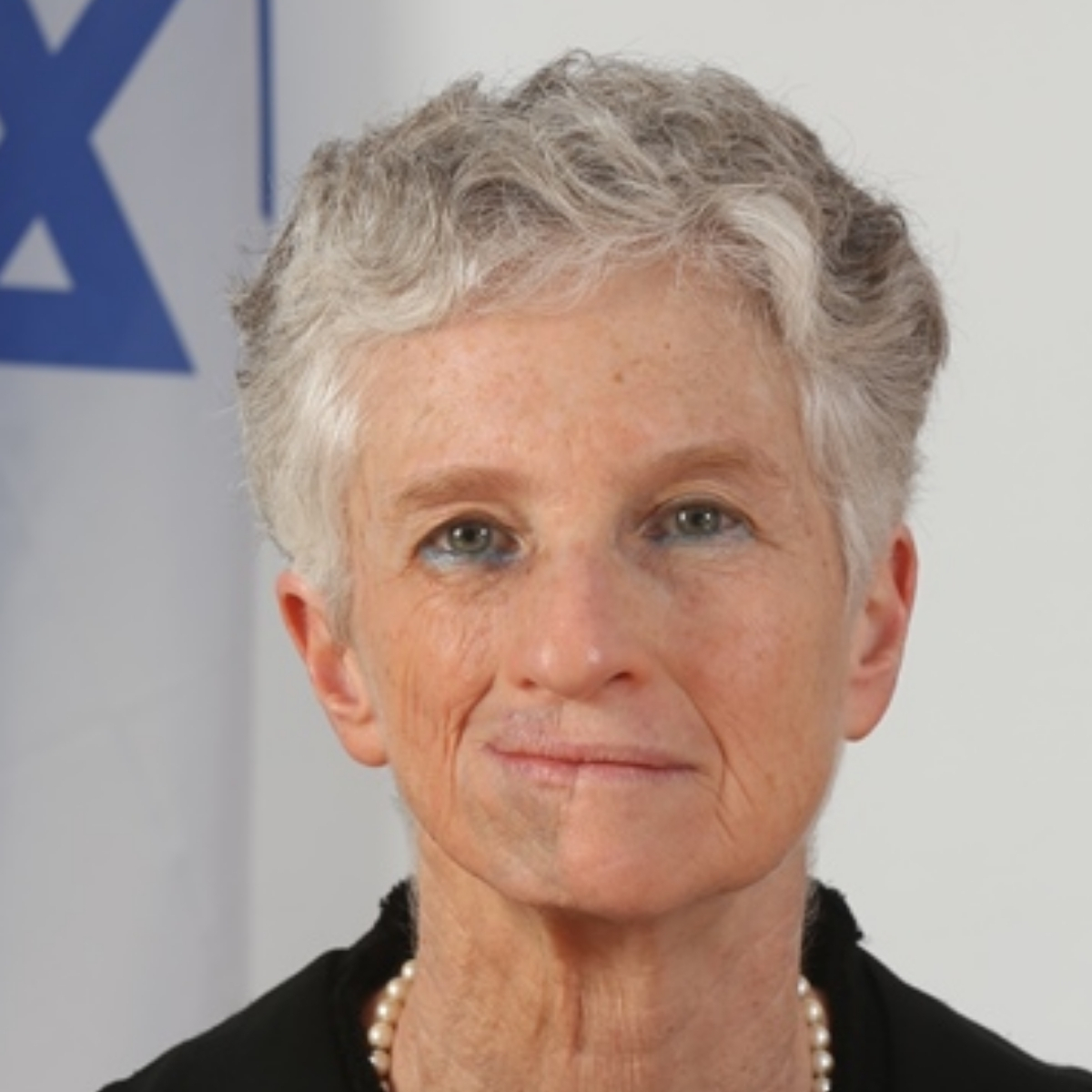
Retired Judge Nava Ben Or
Would Your Community or Organization Like to Join Us?

If you would like to join Shevet Dinah and take part in our annual initiative, join us:
During The Week of Dinah
and on Shabbat Vayishlach,
we will stand together and say to survivors:
We stand with you!
As communities, we too bear responsibility.
Our goal is to stand in solidarity with survivors of sexual assault, support them, amplify their voices, and resist silencing. Speaking with moral clarity and affirming our commitment to survivors help foster sexual safety and prevent further harm. By speaking out, we commit ourselves, now and in the future, to responding when harm occurs and refusing to enable silencing.
Together, as diverse organizations and communities representing the breadth of Jewish life in Israel and throughout the Diaspora, we will stand with survivors of sexual assault and foster a culture of safety and prevention.
Together, we will stand in solidarity, affirm our belief in survivors, respond with care and compassion, and call for repair and healing.