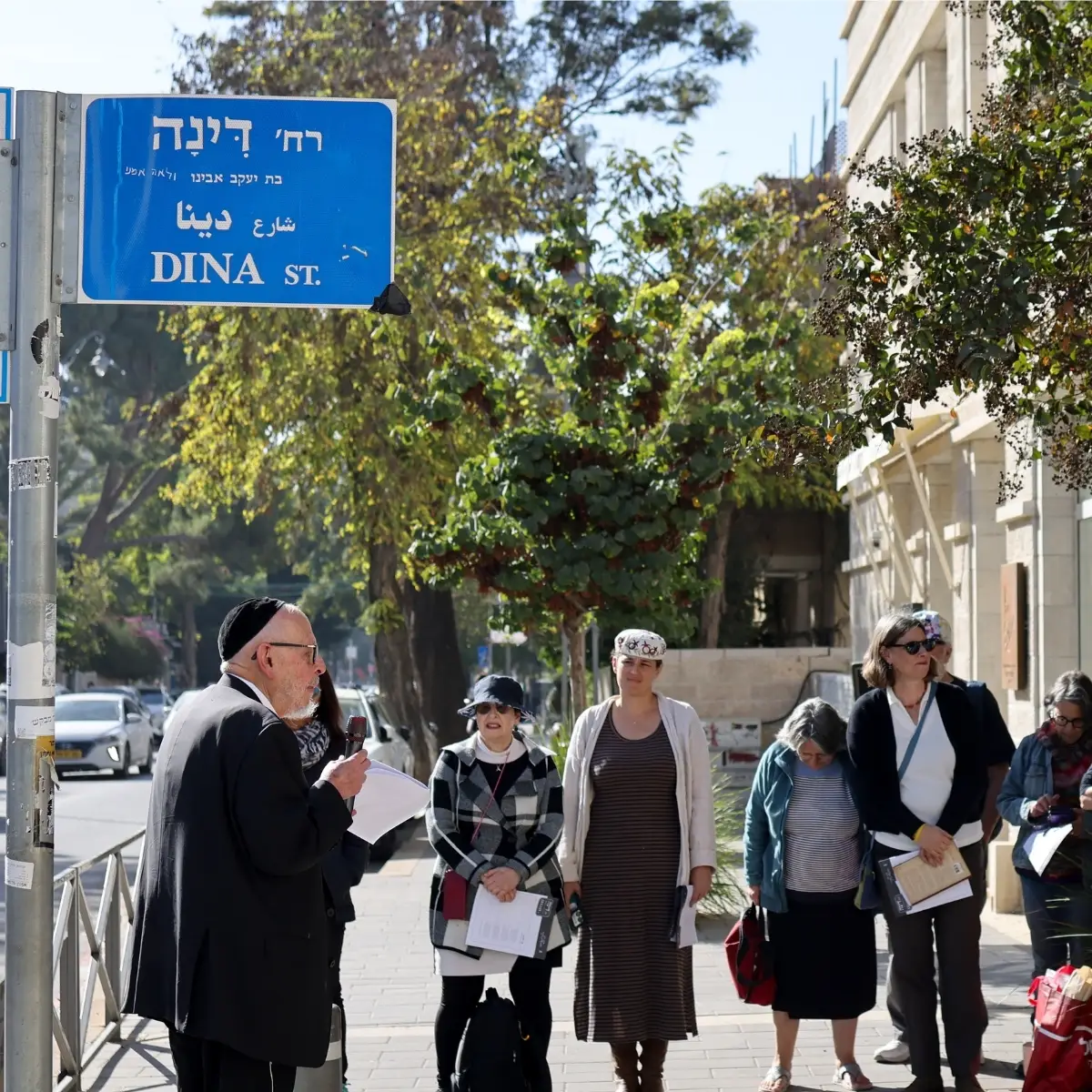
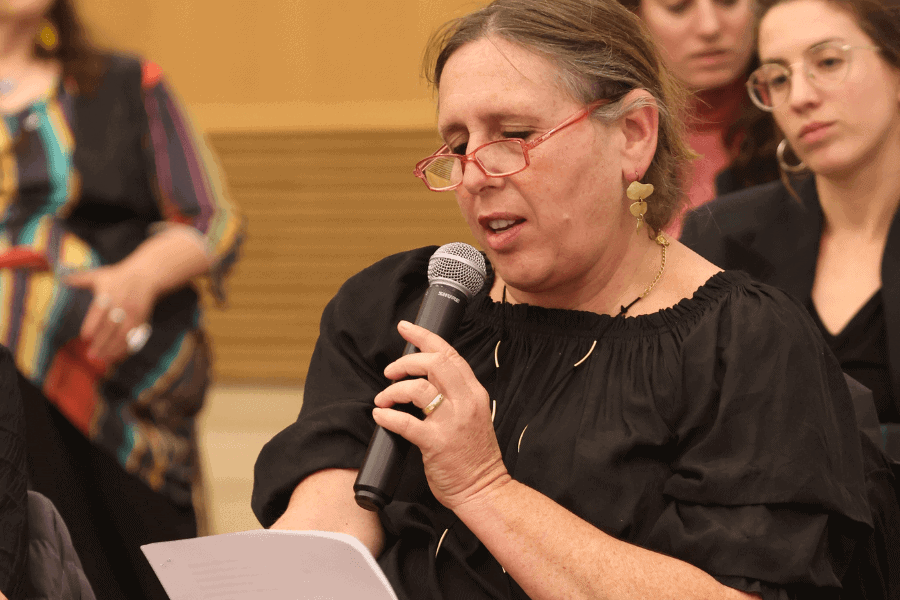
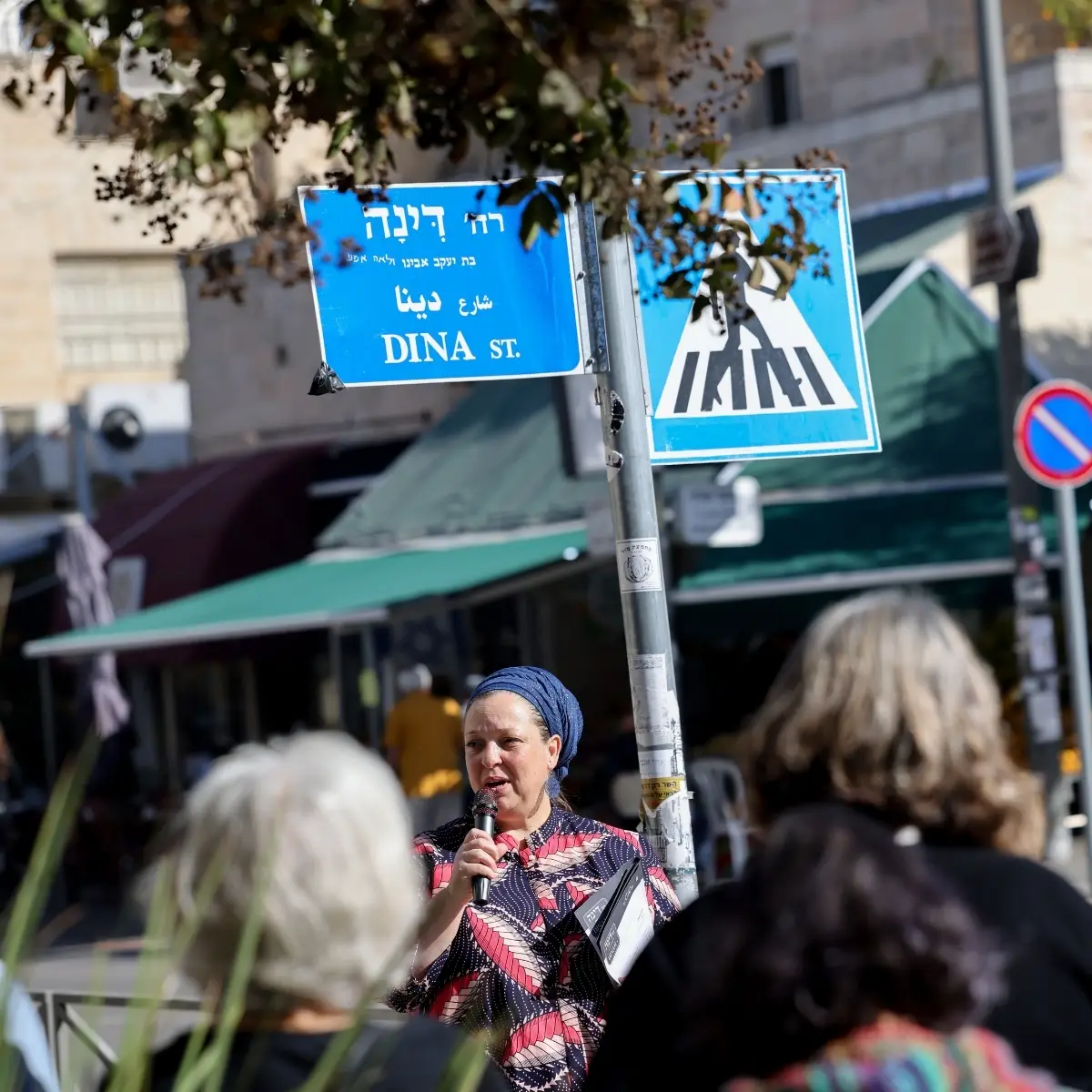
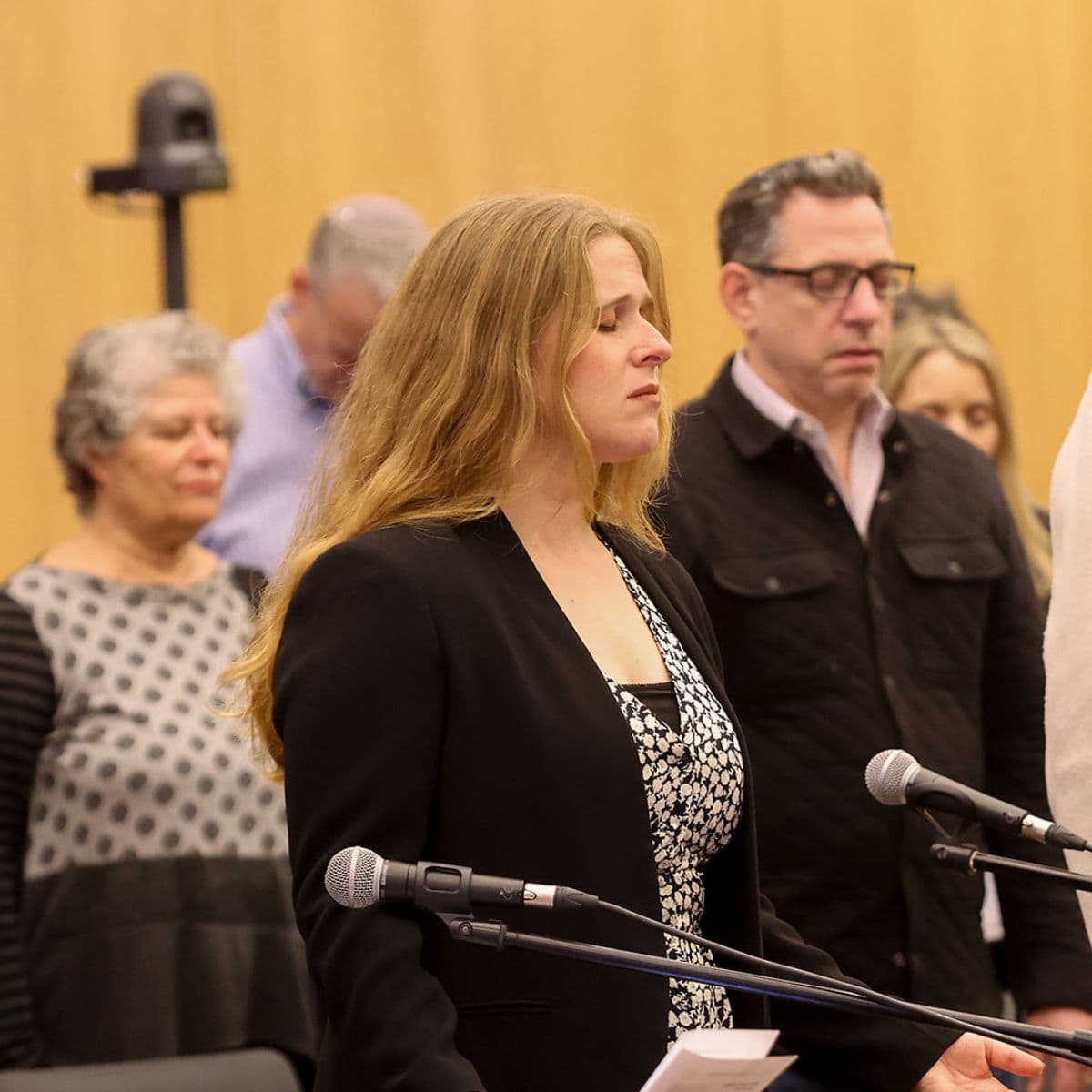
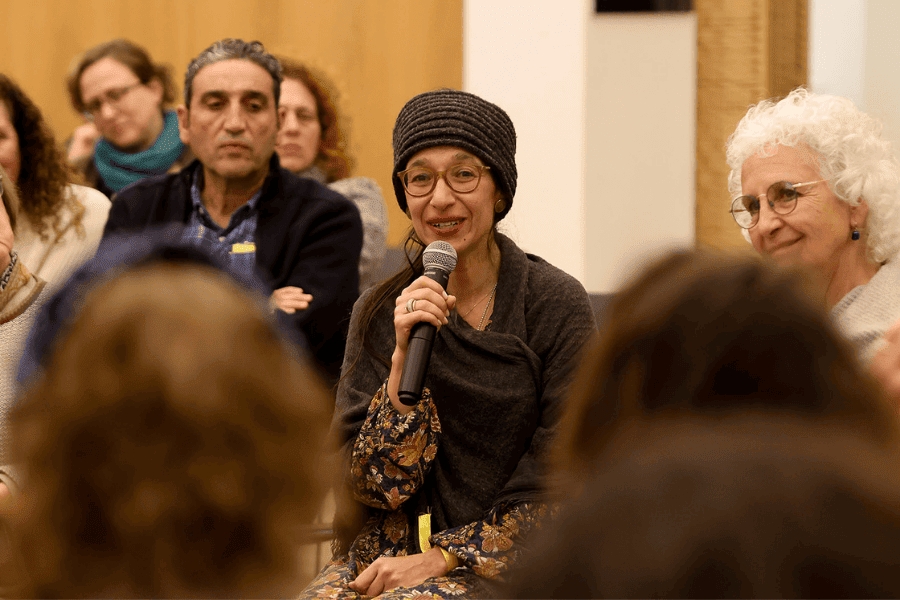
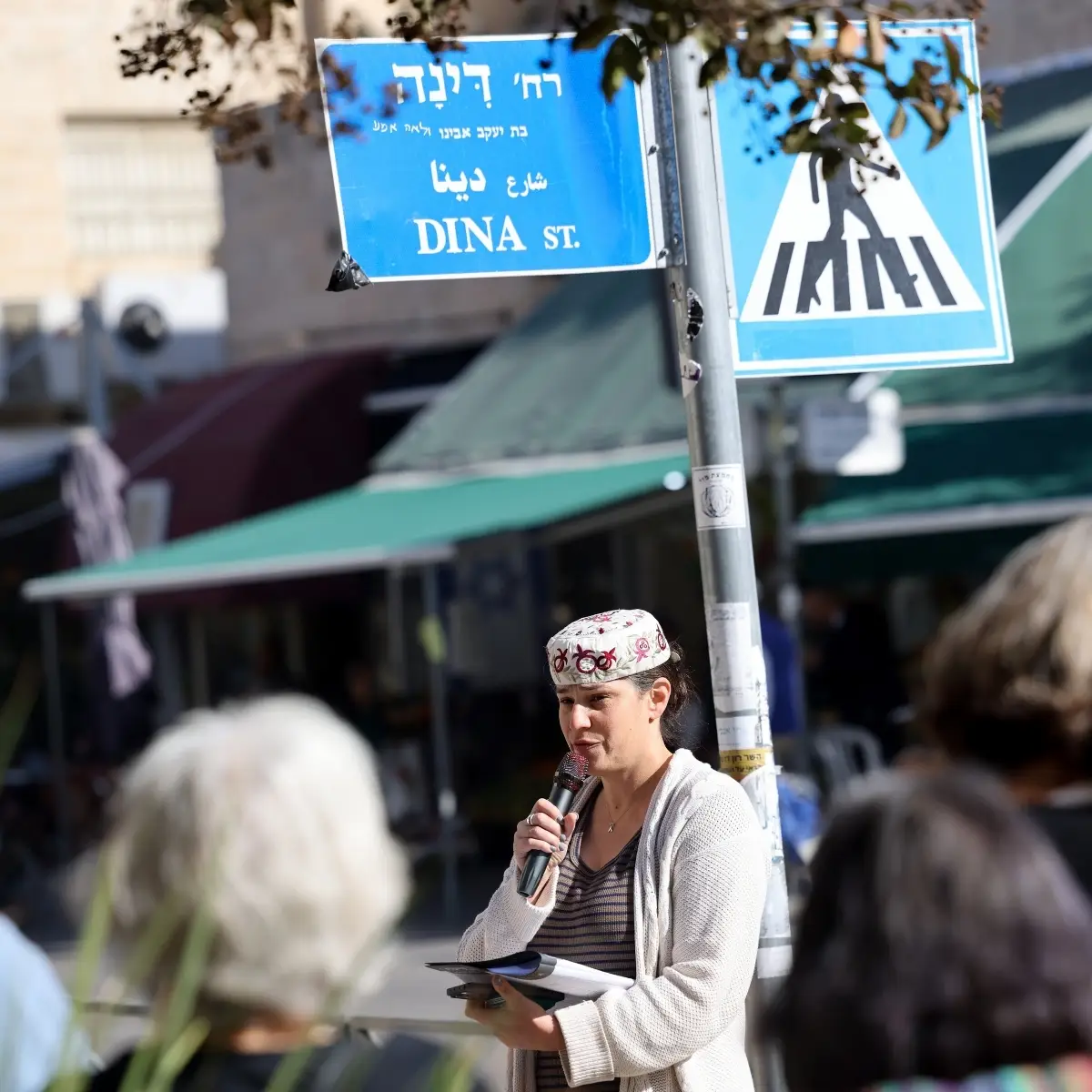
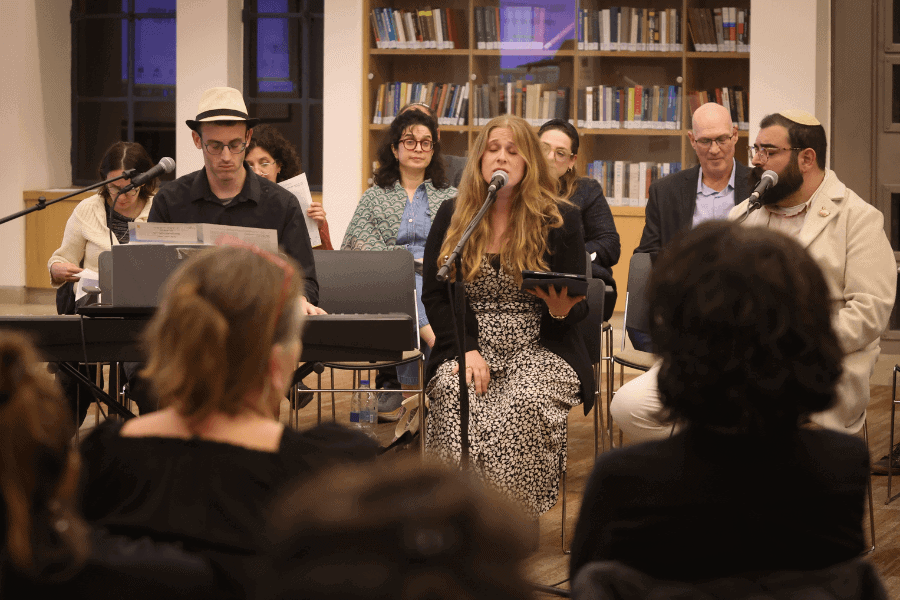
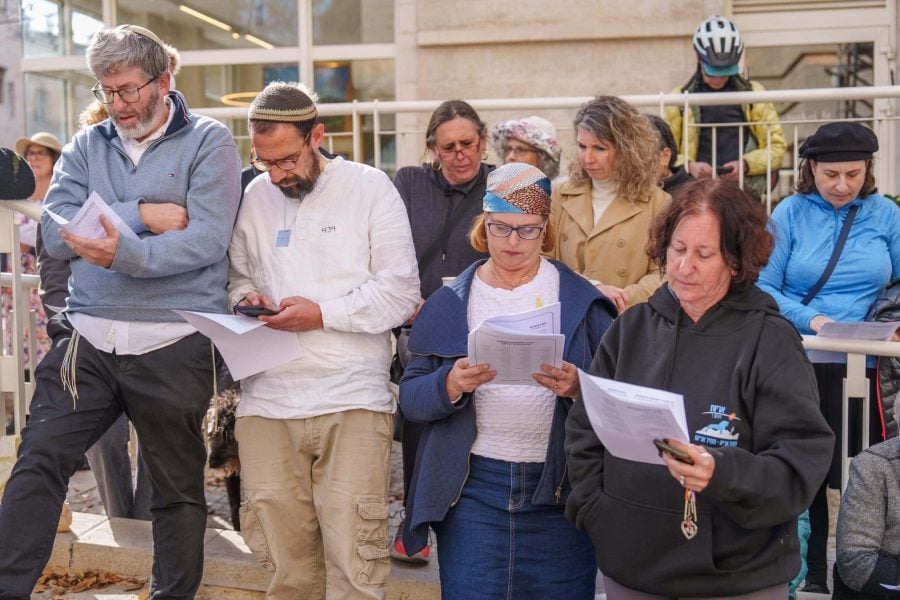
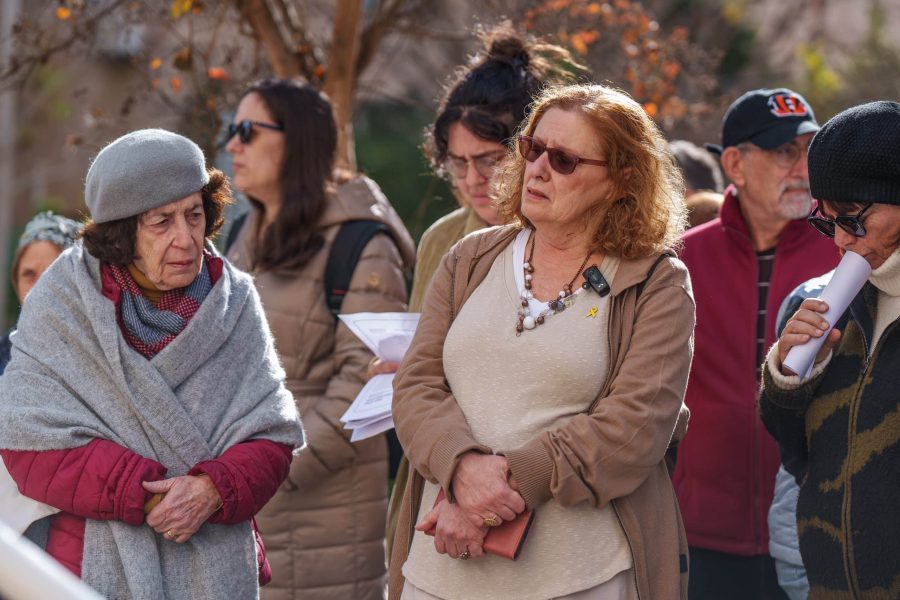
Here you can learn about initiatives of the Dinah Collective Join the Week of Dinah and discover other initiatives in Israel and around the world earing the name of Dinah, daughter of Leah and Jacob.
Her silence splits the sea
Breaches the walls of the home
From the poem “Dinah” by Orit Klopstock
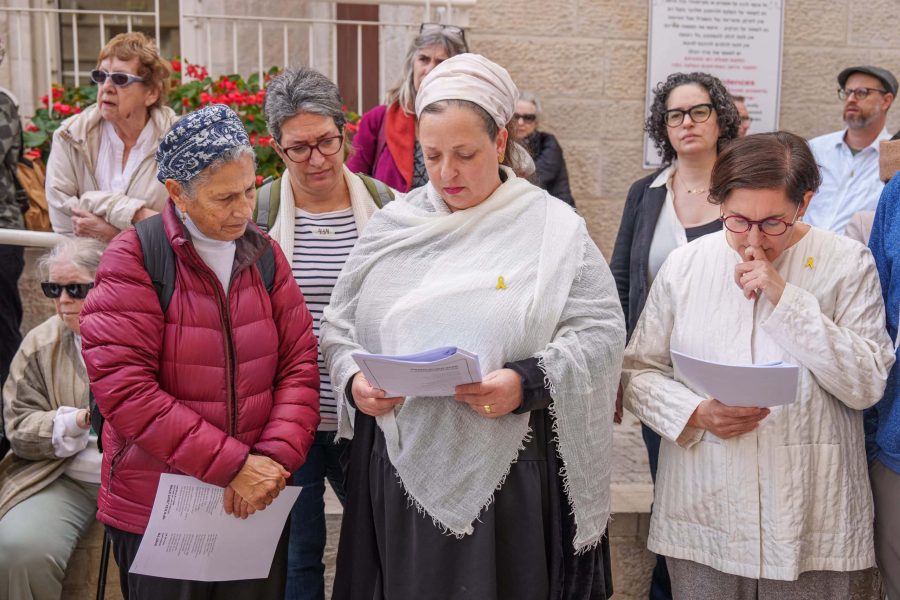
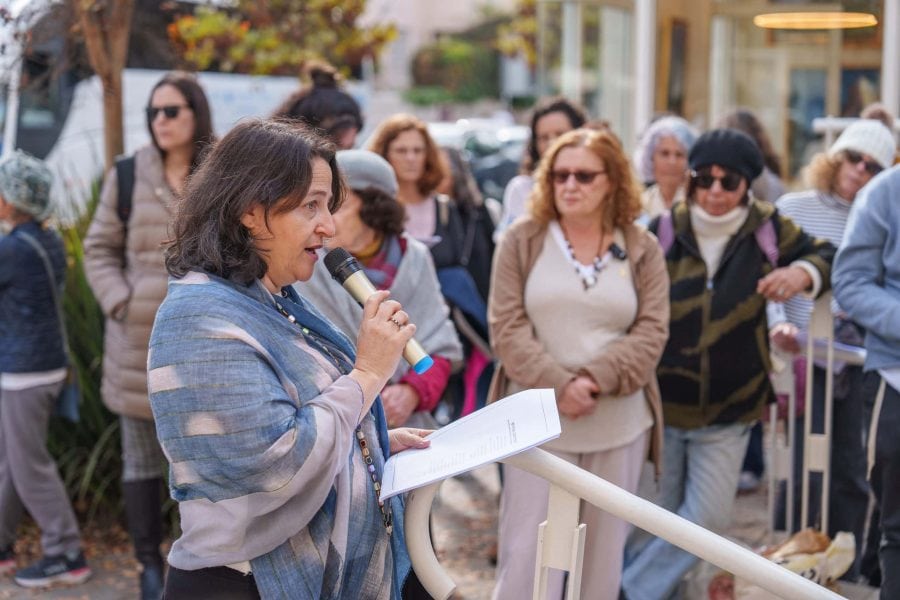
The story of Dinah’s rape, whose voice is never heard in the biblical account, invites us to listen to the voices of survivors among us and to consider our responsibility as individuals and as a community. In recent years, the reading of Parashat Vayishlach in the annual Torah cycle has inspired work that brings together beit midrash learning with human and ethical attention, in order to prevent sexual violence, strengthen safety, and stand alongside those who have been harmed.
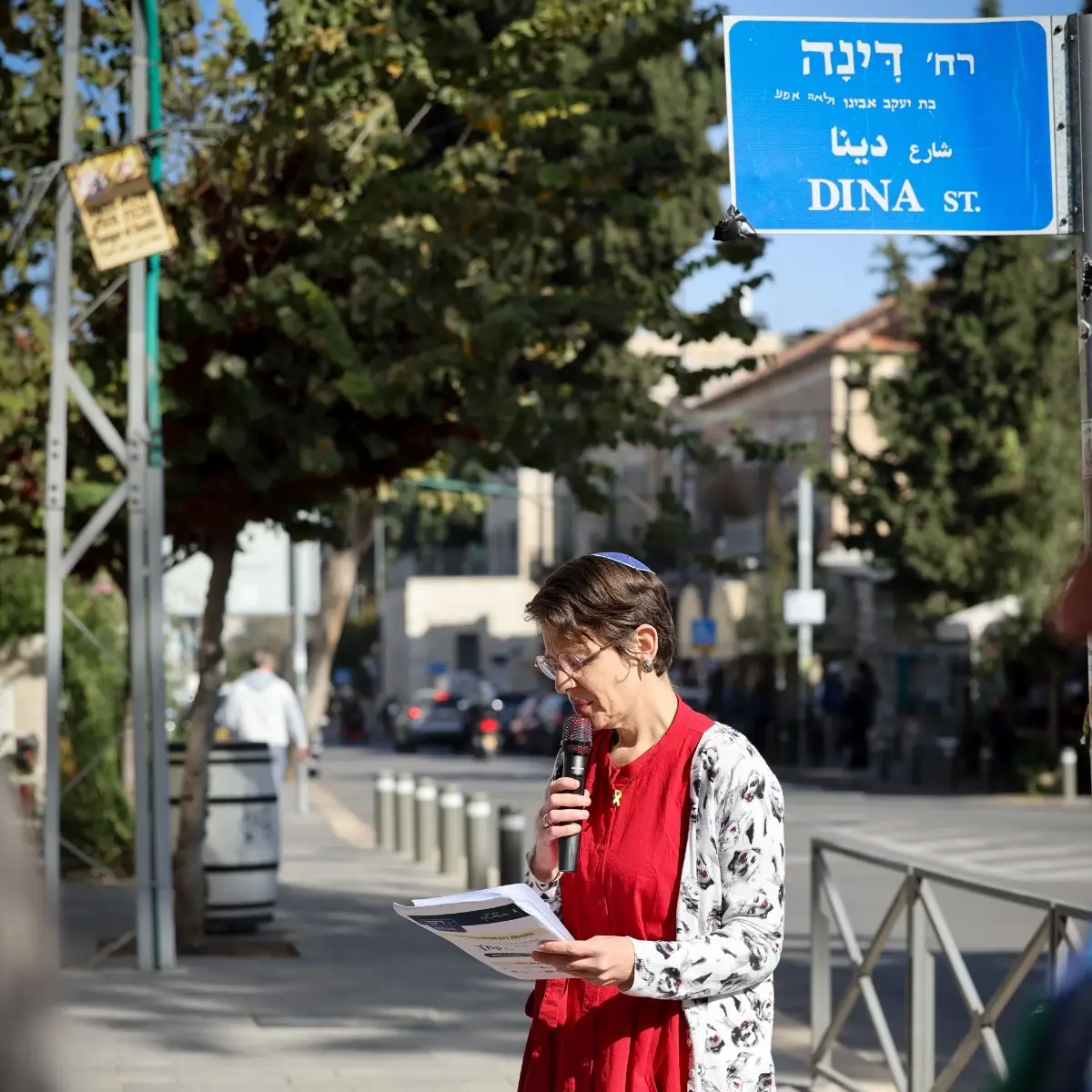
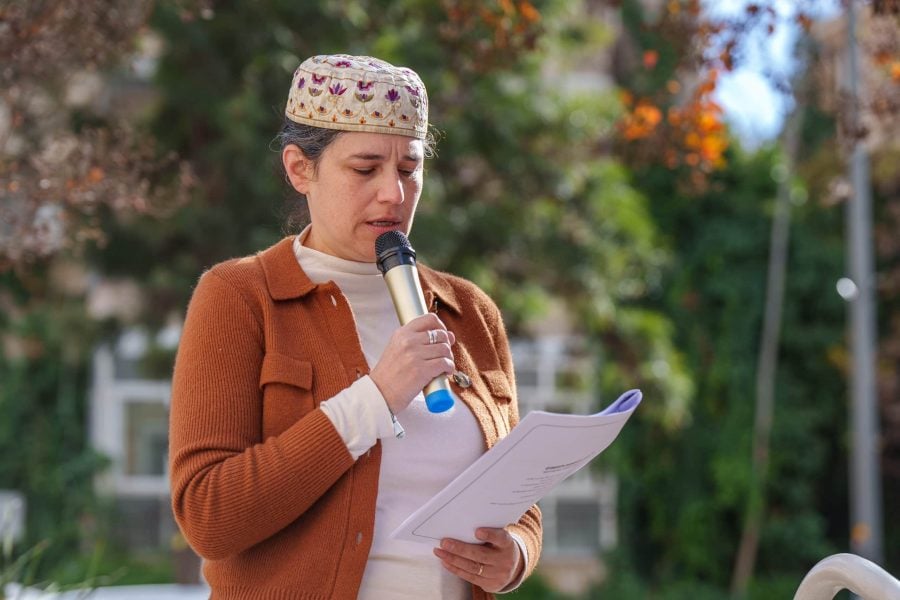
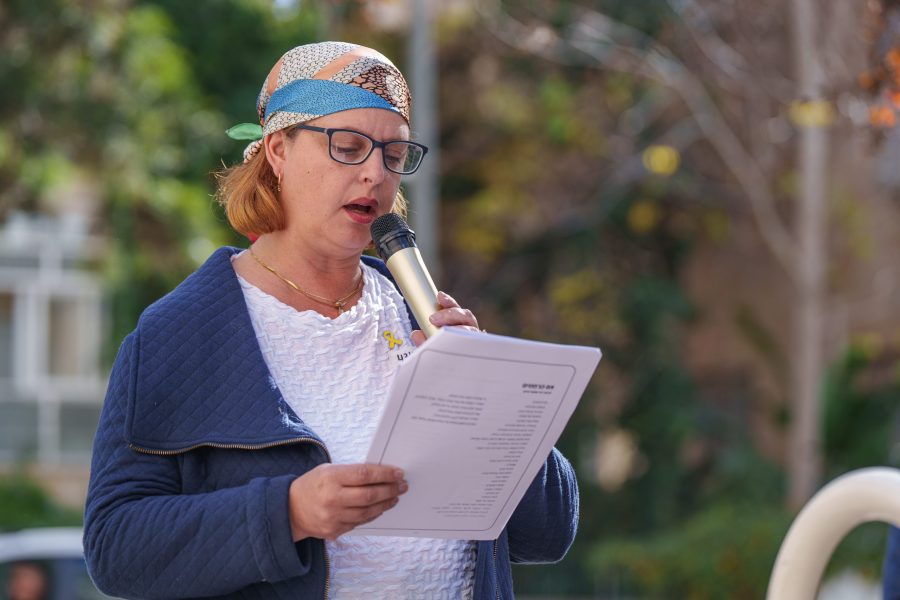
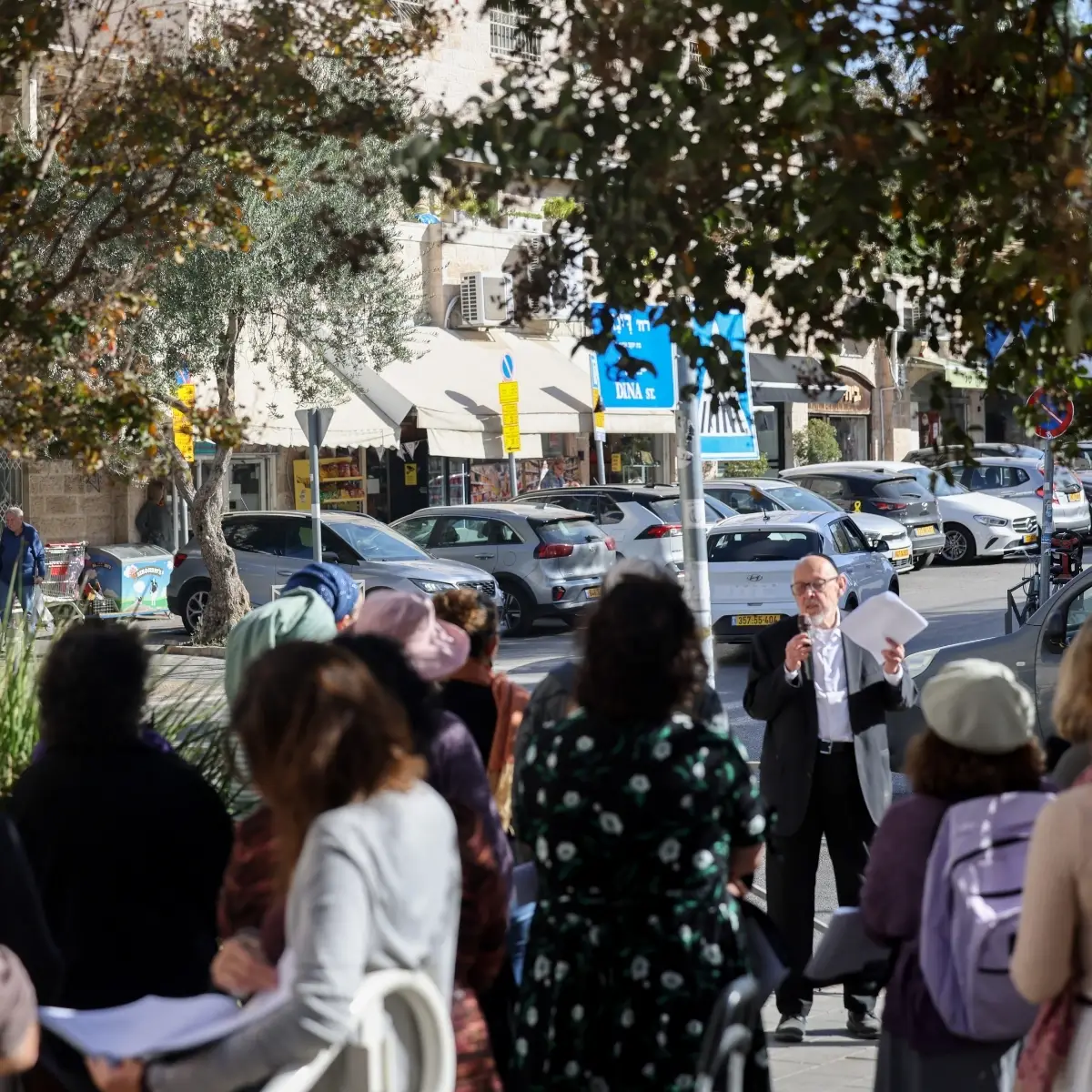
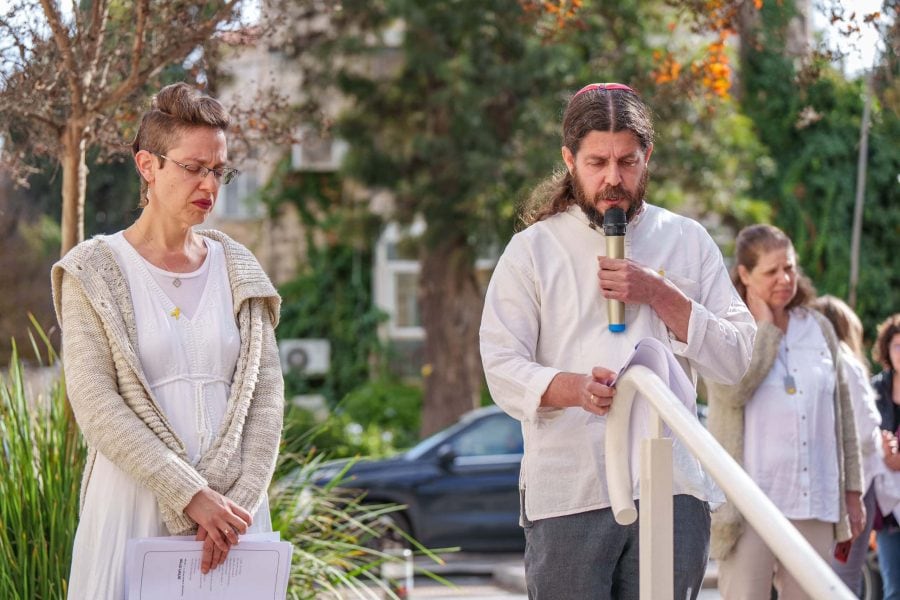
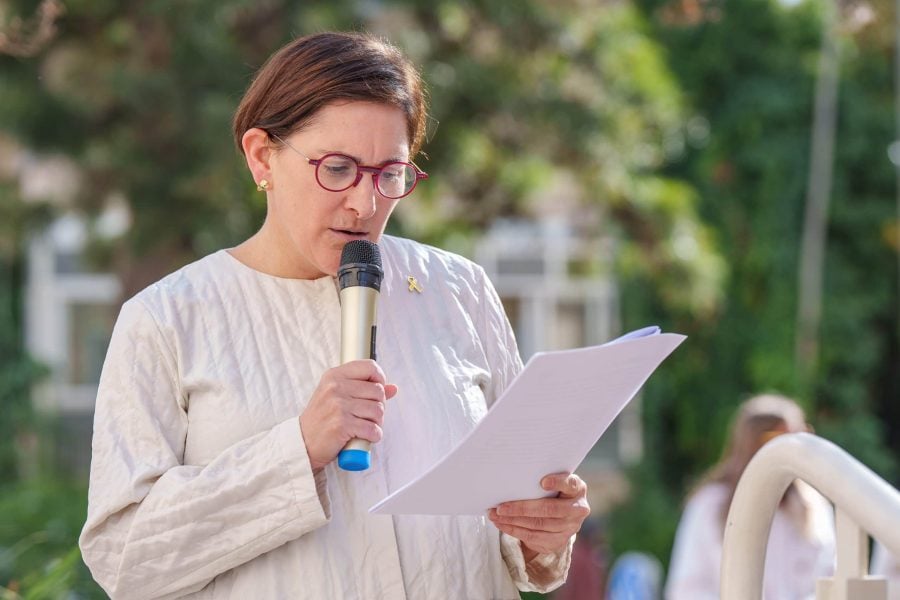
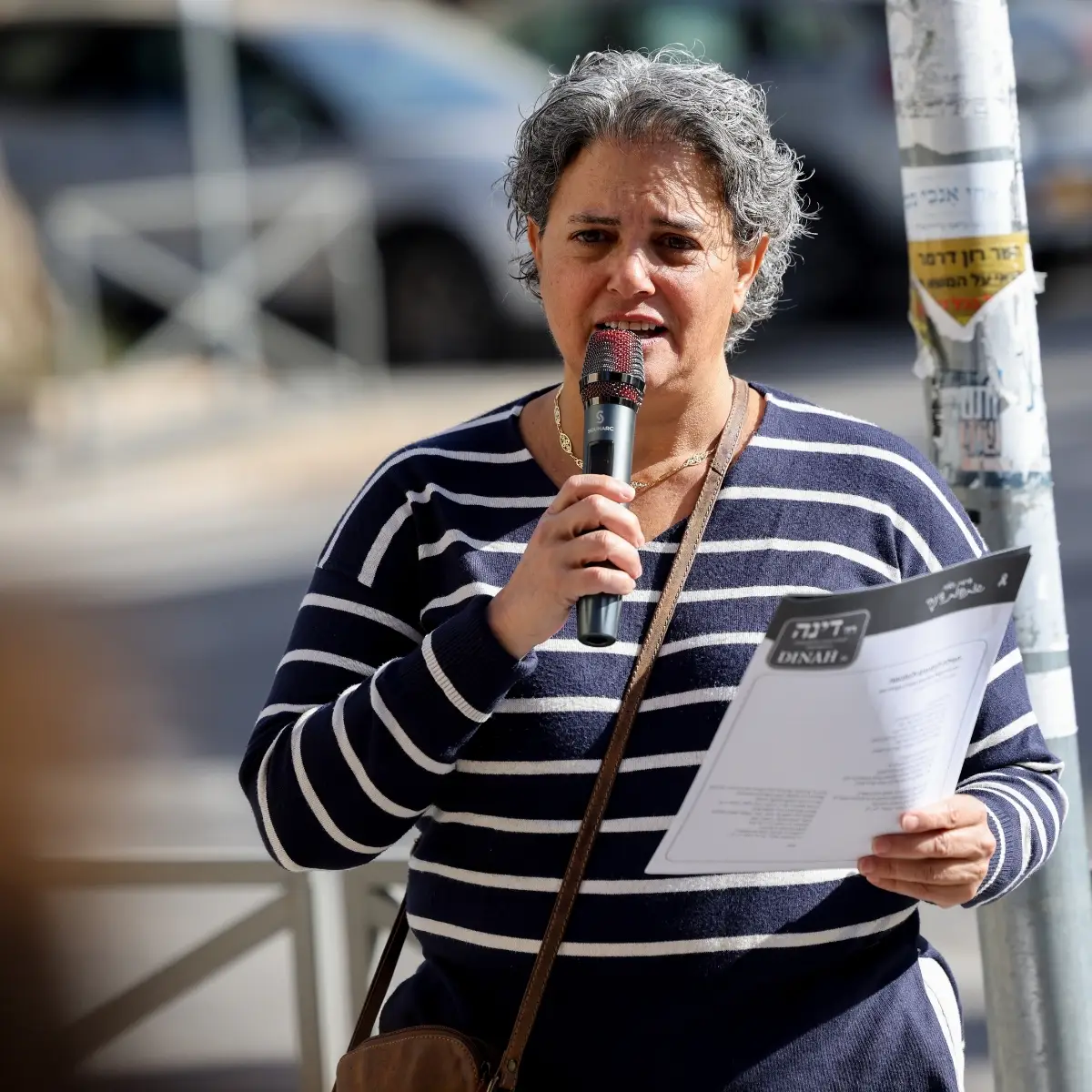
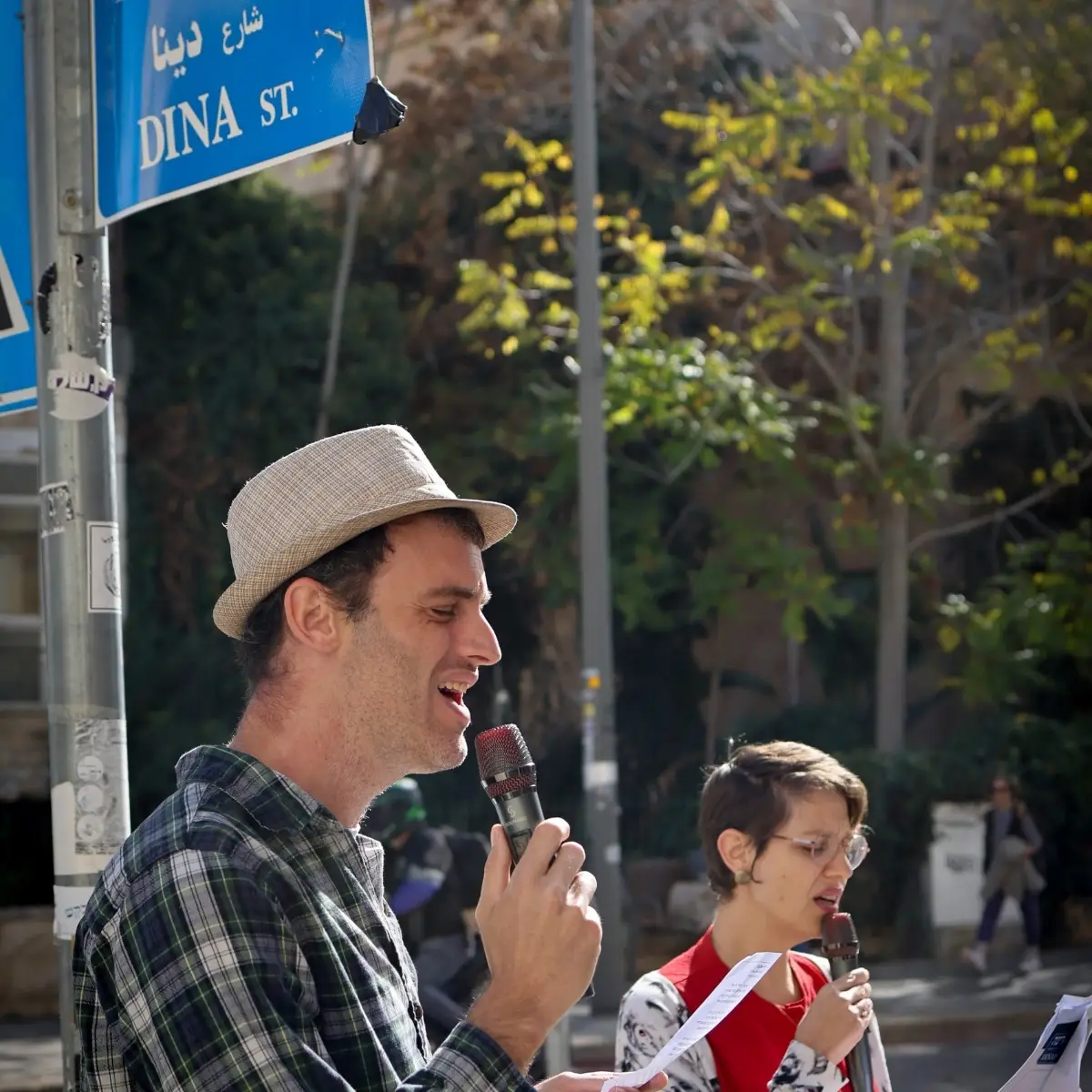
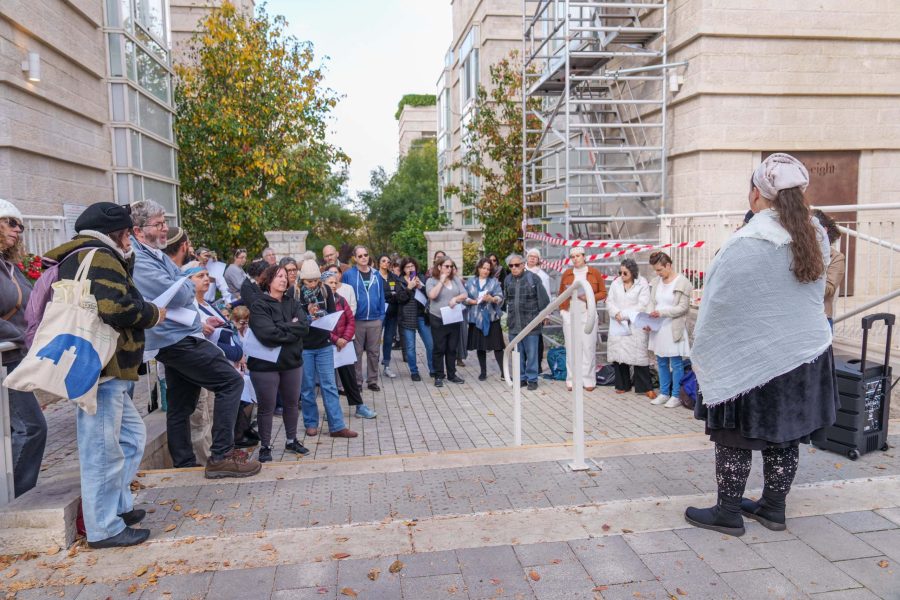
Here, in The World of Dinah, you’ll find information pages and materials from Gluya magazine about Dinah and her story. You can discover different initiatives that look to Dinah as a guiding figure and take inspiration from her character and story, find sources for learning and teaching, read Shabbat sermons from previous years, and learn how to hold a public ceremony in solidarity with survivors of sexual assault.
With these resources as a starting point, you can choose how to take part in The Week of Dinah, together with organizations, communities, educational institutions, and the wider public.
This is where you can get to know the Dinah Collective, find your way into learning and action during The Week of Dinah, and join the ongoing work of building safer, more attentive communities throughout the year.
If you lead an initiative, community, educational program, or public project connected to Dinah, we would love to hear from you and consider including it in our list of Dinah initiatives.
Submit essays, poems, prayers, midrashim, sermons, proposals for communal rituals, and works of art that engage with and respond to the biblical account of Dinah’s rape.
Together, we will stand alongside survivors of sexual violence and address our responsibility to prevent sexual violence and promote safety in our communities and families, for the community and for each individual.
This year too, as the Torah reading cycle brings us to Parashat Vayishlach and the story of Dinah’s rape, we will make space and give voice to Dinah and to the sexual violence she endured, and draw on her story to address sexual violence broadly, recognizing its relevance to people of all genders and ages.
As in previous years, activities and events to promote safety and prevent sexual violence will be held by a variety of communities and organizations.
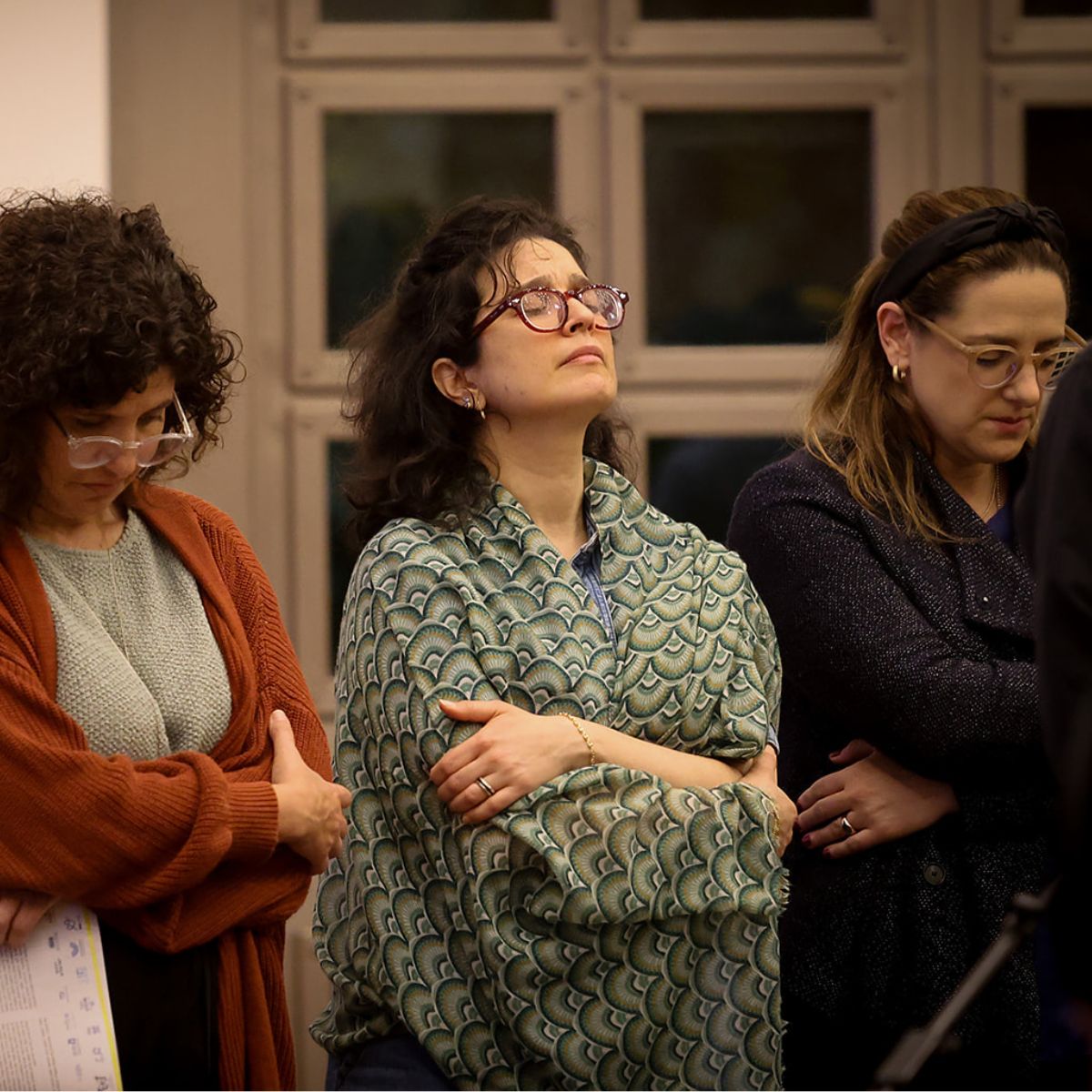
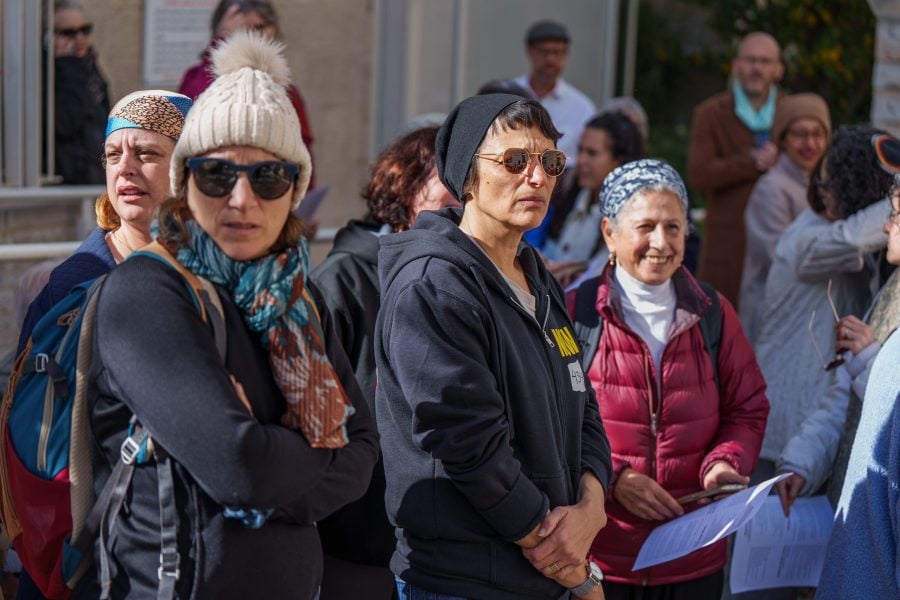
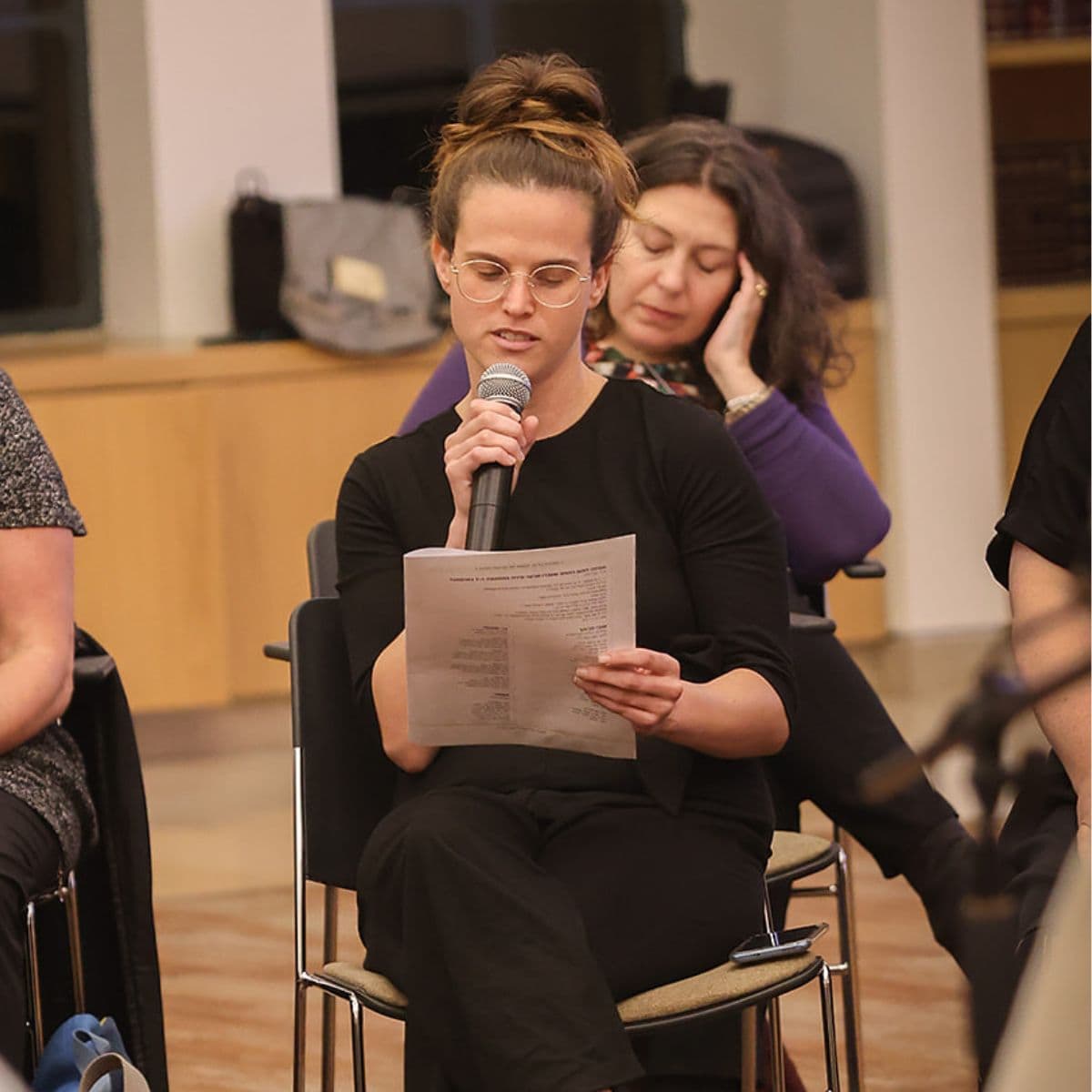
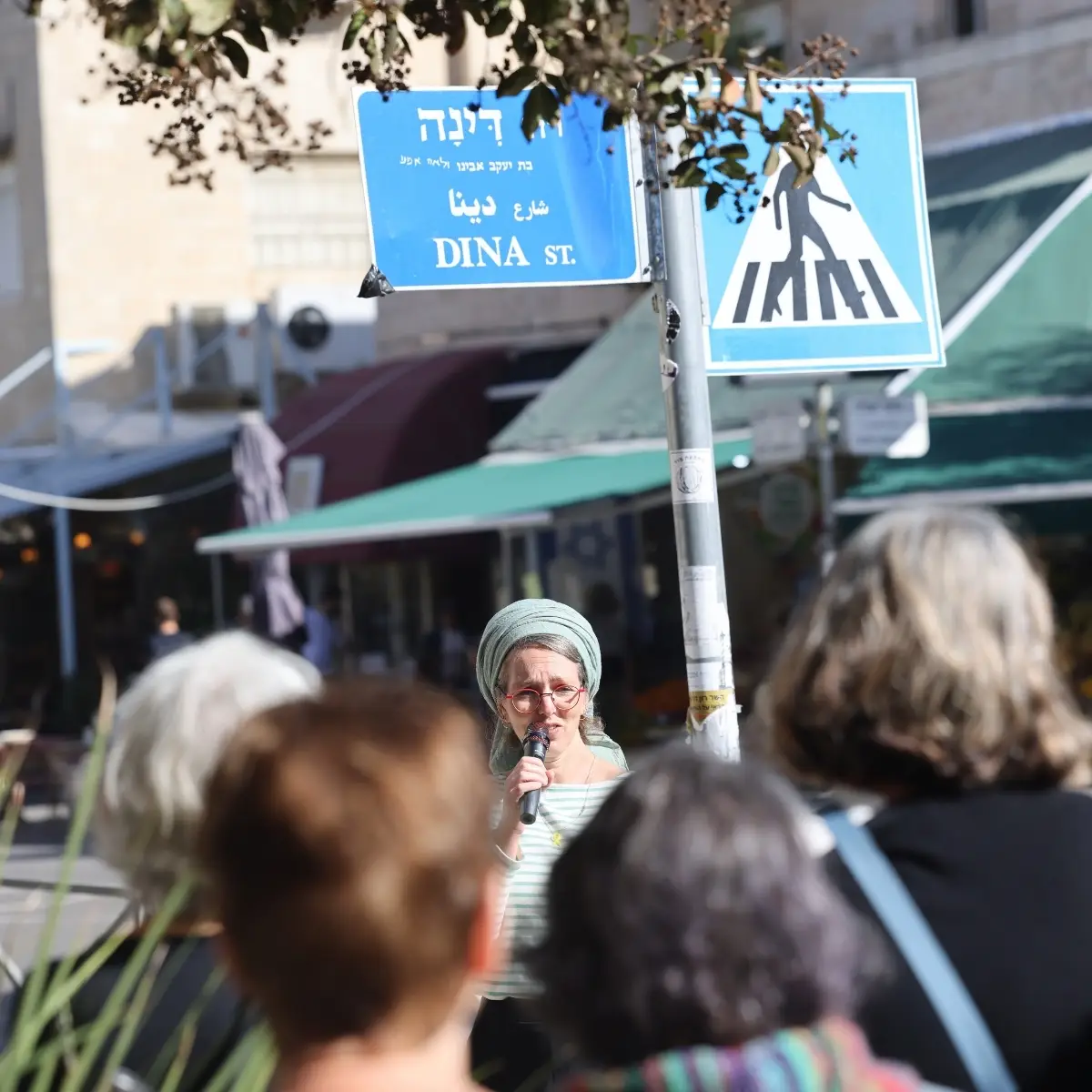
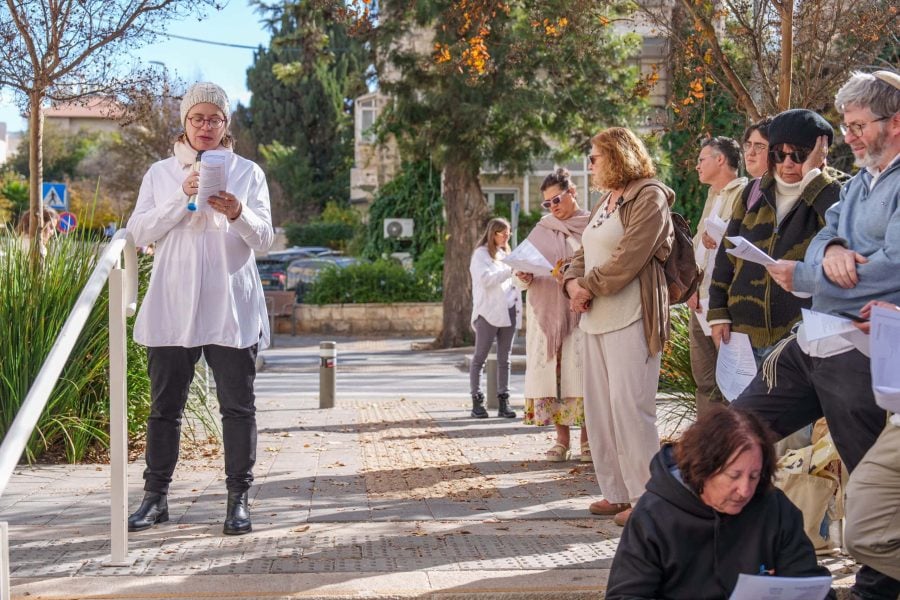
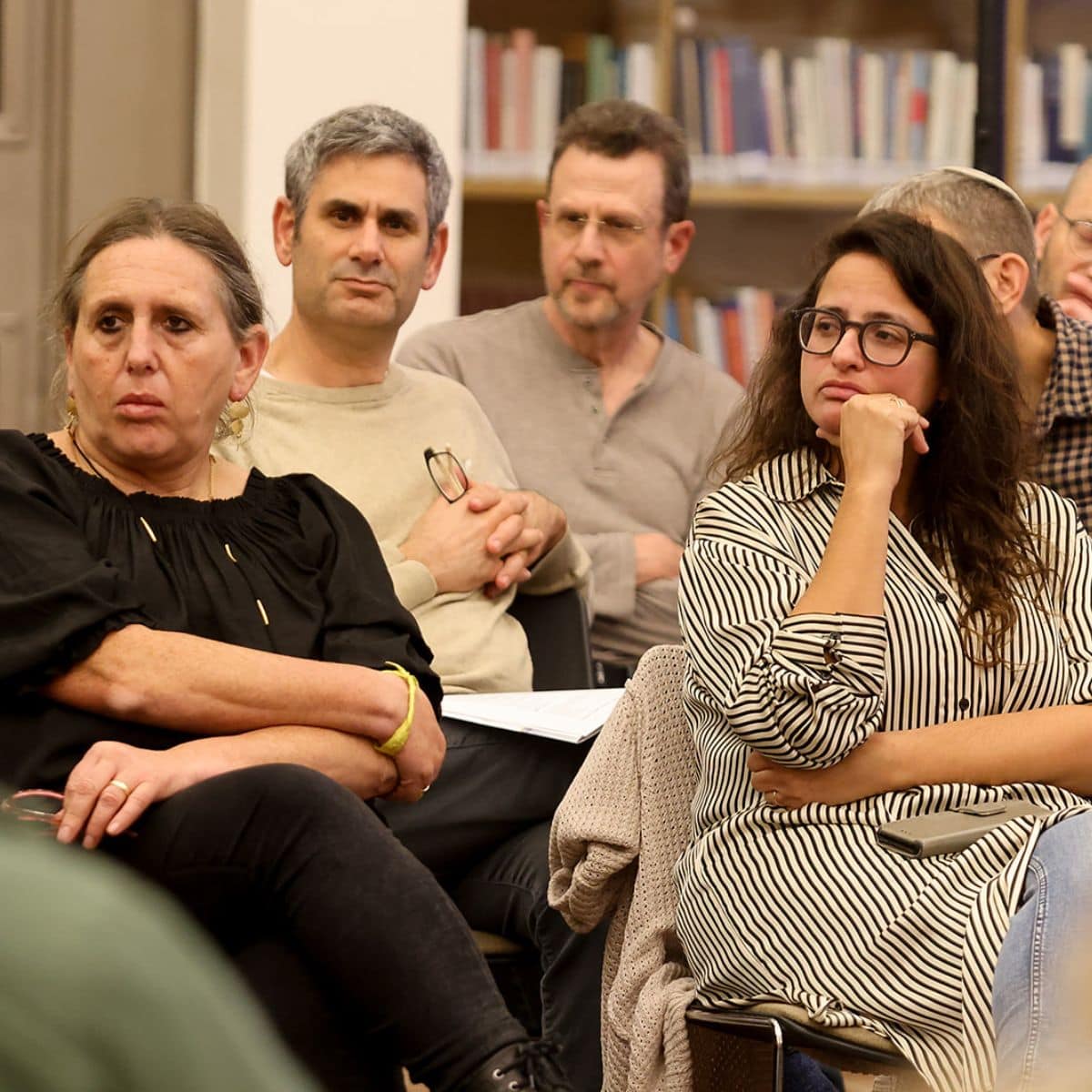
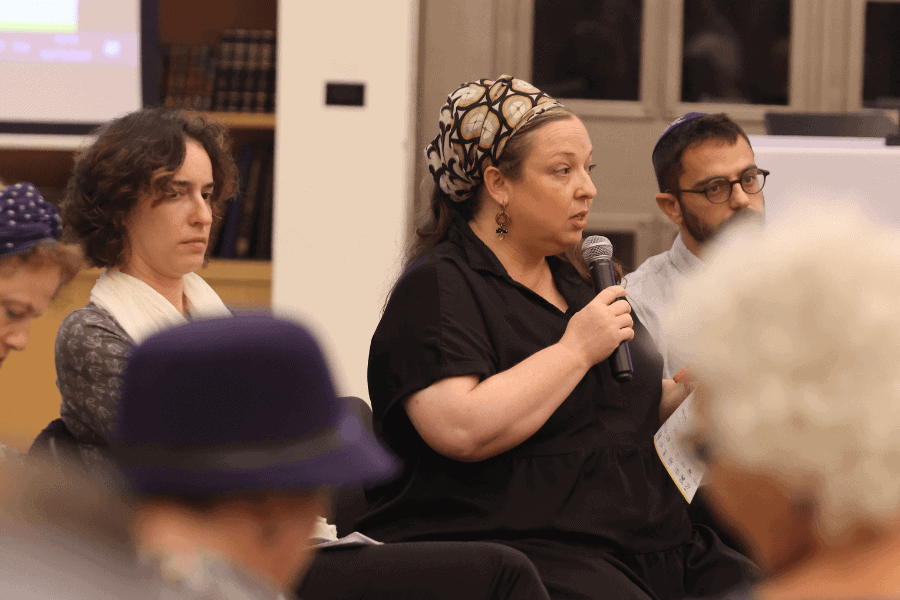
During the Week of Dinah, we will gather, discuss, learn, and delve into the story of Dinah’s rape, in order to engage with her story and with the testimonies within our communities, and to recognize the ongoing need to act with a sense of shared responsibility.
There – to the open field,
where you were exposed to every wind,
when you went out to dance, flowers in your hair,
to the place where your fate was sealed.
From the poem “Dinah”, by Smadar Falk-Peretz
Ways to Participate in The Week of Dinah
Sign up · Organize · Teach · Learn · Create · Attend · Donate
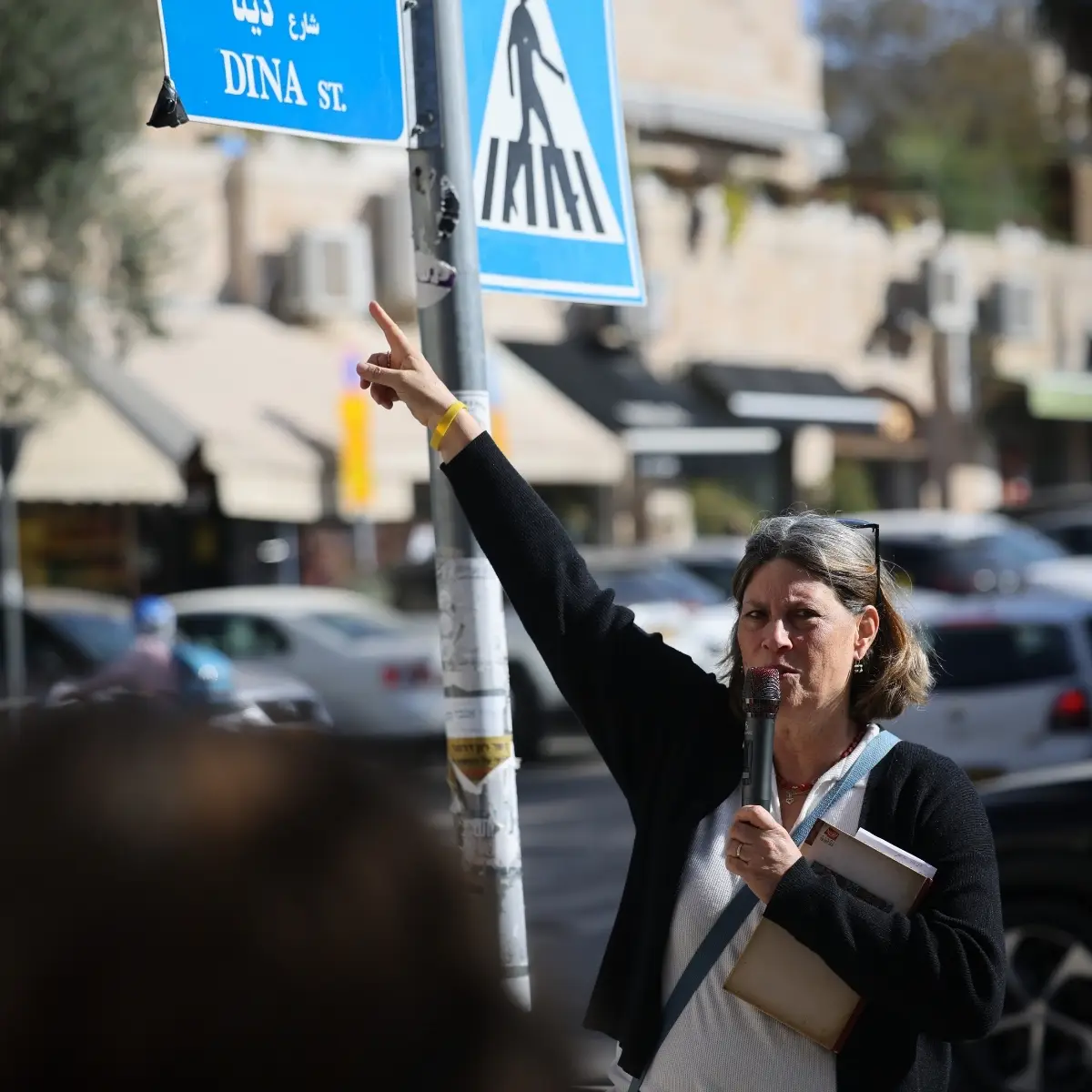
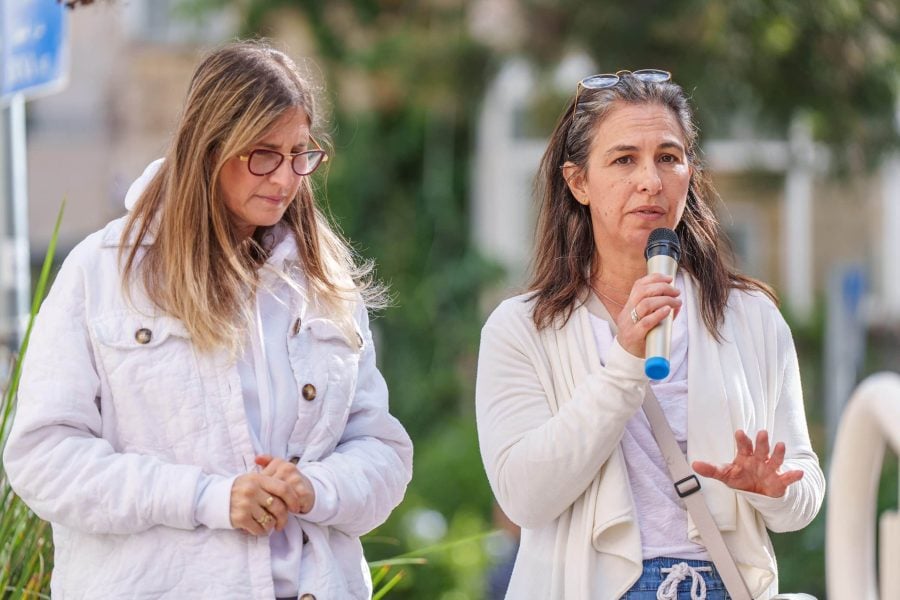
Throughout the week, there will be classes and lectures, workshops, a day of learning, and a community gathering. On Shabbat, sermons and Divrei Torah on the theme will be delivered in synagogues across different communities, alongside the weekly Torah reading, Parashat Vayishlach.
The Week of Dinah is jointly managed by Gluya and Rashut HaRabim. You can support the initiative directly through Gluya, or donate through Rashut HaRabim and receive a receipt eligible for a tax benefit under Section 46.
Donation Through Rashut HaRabim
You can donate to the Week of Dinah through Rashut HaRabim, which partners with Gluya in managing the initiative.
Online donation or bank transfer to Rashut HaRabim Please note “The Week of Dinah” in the comments The receipt will be issued by Rashut HaRabim
The receipt can be used to claim the Section 46 tax benefit.
This option is for those who wish to support Gluya’s work as part of The Week of Dinah directly.
Secure payment by credit card or bank transfer Funds are used to support the Week of Dinah’s activities Gluya will issue a tax invoice and receipt after payment
Gluya operates as a social enterprise and a registered business. This payment is therefore not a donation to a nonprofit organization and does not qualify for a tax benefit under Section 46.
Organizations Leading The Week of Dinah initiative (List Updated as Organizations Join)
ארגוני הובלת שבוע דינה:
כל השותפים בשבוע דינה:
Would Your Community or Organization Like to Join Us?
If you would like to join Shevet Dinah and take part in our annual initiative centered on Parashat Vayishlach, please contact us: gluya@gluya.org
During The Week of Dinah and on Shabbat Vayishlach, we will stand together and say to survivors:
We stand with you!
As communities, we too bear responsibility.
Our goal is to stand in solidarity with survivors of sexual assault, support them, amplify their voices, and resist silencing. Speaking with moral clarity and affirming our commitment to survivors help foster sexual safety and prevent further harm. By speaking out, we commit ourselves, now and in the future, to responding when harm occurs and refusing to enable silencing.
Together, as diverse organizations and communities representing the breadth of Jewish life in Israel and throughout the Diaspora, we will stand with survivors of sexual assault and foster a culture of safety and prevention.
Together, we will stand in solidarity, affirm our belief in survivors, respond with care and compassion, and call for repair and healing.
אנחנו משתמשים בעוגיות כדי לשפר את חוויית השימוש באתר שלנו. השימוש באתר מהווה הסכמה לשימוש בעוגיות כמתואר במדיניות הפרטיות של האתר.
האתר הזה משתמש בעוגיות.
אתרים שומרים עוגיות כדי לשפר את הפונקציונליות ולהתאים אישית את החוויה. ניתן לנהל את ההעדפות, אך חסימת חלק מהעוגיות עשויה להשפיע על ביצועי האתר ועל השירותים.
עוגיות חיוניות מאפשרות פונקציות בסיסיות והן נחוצות לפעולה התקינה של האתר.
שם
תיאור
תוקף
Geolocation Config
This cookie is used to store the consent settings based on the visitor's location.
30 days
Cookie Preferences
This cookie is used to store the user's cookie consent preferences.
30 days
These cookies are needed for adding comments on this website.
שם
תיאור
תוקף
comment_author
Used to track the user across multiple sessions.
Session
comment_author_email
Used to track the user across multiple sessions.
Session
comment_author_url
Used to track the user across multiple sessions.
Session
עוגיות סטטיסטיות אוספות מידע באופן אנונימי. מידע זה עוזר לנו להבין כיצד מבקרים משתמשים באתר שלנו.
Facebook Pixel is a web analytics service that tracks and reports website traffic.
Contains information related to marketing campaigns of the user. These are shared with Google AdWords / Google Ads when the Google Ads and Google Analytics accounts are linked together.
90 days
__utma
ID used to identify users and sessions
2 years after last activity
__utmt
Used to monitor number of Google Analytics server requests
10 minutes
__utmb
Used to distinguish new sessions and visits. This cookie is set when the GA.js javascript library is loaded and there is no existing __utmb cookie. The cookie is updated every time data is sent to the Google Analytics server.
30 minutes after last activity
__utmc
Used only with old Urchin versions of Google Analytics and not with GA.js. Was used to distinguish between new sessions and visits at the end of a session.
End of session (browser)
__utmz
Contains information about the traffic source or campaign that directed user to the website. The cookie is set when the GA.js javascript is loaded and updated when data is sent to the Google Anaytics server
6 months after last activity
__utmv
Contains custom information set by the web developer via the _setCustomVar method in Google Analytics. This cookie is updated every time new data is sent to the Google Analytics server.
2 years after last activity
__utmx
Used to determine whether a user is included in an A / B or Multivariate test.
18 months
_ga
ID used to identify users
2 years
_gali
Used by Google Analytics to determine which links on a page are being clicked
30 seconds
_ga_
ID used to identify users
2 years
_gid
ID used to identify users for 24 hours after last activity
24 hours
_gat
Used to monitor number of Google Analytics server requests when using Google Tag Manager
1 minute
עוגיות שיווק משמשות למעקב אחר מבקרים באתרים. הכוונה היא להציג פרסומות הרלוונטיות ומעניינות עבור המשתמש הבודד.
Mailchimp is an all-in-one marketing platform for email campaigns, automation, and audience management.